Can Dogs Be Allergic To Peanut Butter?
Can Dogs Be Allergic to Peanut Butter?
Understanding and Managing Peanut Allergies in Pets
Pet owners frequently use peanut butter biscuits, peanut butter dog treats and peanut butter as a way to administer medication due to its irresistible taste. You may be wondering, is peanut butter good for dogs?
Many dogs love the taste of peanut butter and it can offer a source of protein and nutrition. However, some dogs can be allergic to peanuts and peanut butter. Learn how to choose a peanut butter that is good for dogs and know the signs when a dog is allergic to peanut butter.
Peanut Butter and Dogs
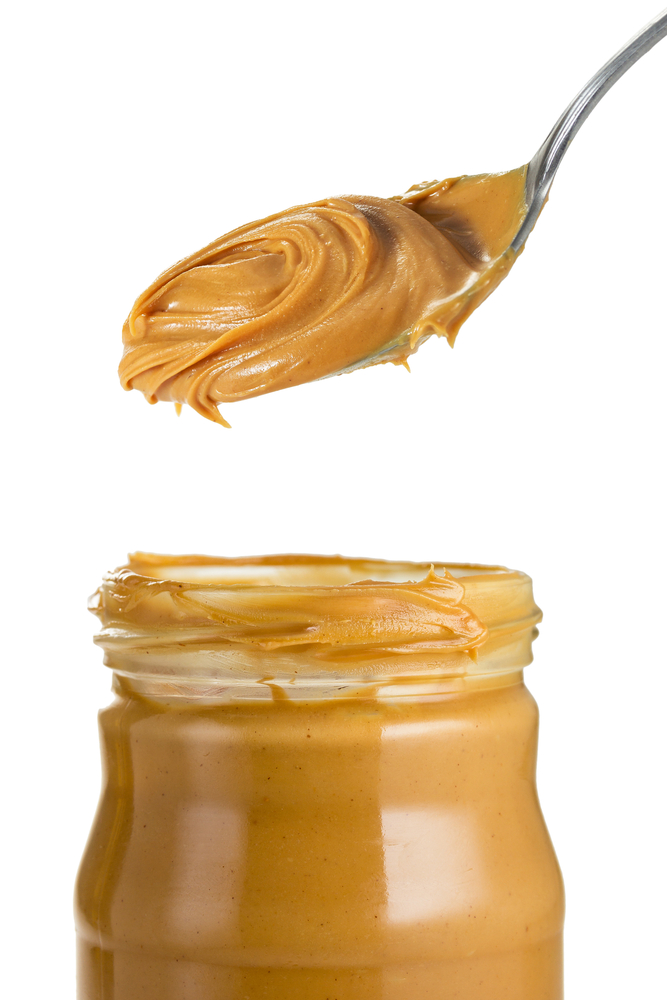 Peanut butter dog biscuit? Peanut butter to cover a pill? Peanut butter as a treat? Peanut butter has gained popularity as a go-to treat for dogs, often used in puzzle toys, training, or simply as a tasty reward. While peanut butter can be a convenient snack for dogs, offering a good source of protein, healthy fats, and essential nutrients, it's essential to be aware that dogs, like humans, can develop allergies to specific foods, including peanuts. If your dog is not allergic to peanuts, here are some ways to help you select the best peanut butter for your pup:
Natural Ingredients - Look for peanut butter made with natural ingredients, preferably containing only peanuts. Avoid products with added sugars, sweeteners, artificial flavors, or preservatives, as these can be harmful to dogs and may contribute to obesity and dental issues.
No Xylitol - Check the ingredient list to ensure the peanut butter does not contain xylitol, a sugar substitute commonly used in human foods and associated with toxicity in dogs. Xylitol consumption can lead to severe hypoglycemia (low blood sugar) and liver damage in dogs, so it's essential to avoid products containing this ingredient.
Unsalted - Choose unsalted peanut butter, as excessive salt intake can lead to electrolyte imbalances and other health issues in dogs.
Smooth Texture - Opt for smooth or creamy peanut butter rather than chunky varieties, as the latter may pose a choking hazard for dogs, especially those prone to swallowing difficulties or with small breeds.
Natural Oil Separation - Natural peanut butter may separate, with the oil rising to the top. This is a normal occurrence and indicates that the product does not contain added stabilizers or emulsifiers. Simply stir the peanut butter thoroughly before use to redistribute the oil.
Are Dogs Allergic To Peanut Butter?
It may be surprising, but dogs can be allergic to peanuts and peanut butter. What is a food allergy? A food allergy is an abnormal immune response to a specific protein found in a particular food item. In dogs, common food allergens include proteins such as beef or chicken, as well as other foods like peanuts, grains, and dairy, which may be perceived by the immune system as harmful invaders. When a dog with a food allergy consumes an allergenic ingredient, such as chicken or wheat, the immune system mistakenly identifies the protein as harmful and mounts an immune response, producing antibodies to fight off the perceived threat. Food allergies in dogs can manifest as a wide range of symptoms, including skin rashes, itching, hives, ear infections, gastrointestinal upset (such as diarrhea or vomiting), and in severe cases, respiratory distress or anaphylaxis.
Common Allergens in Pet Food:
- Gluten (found in wheat, barley, spelt and other grains)
- Dairy Products
- Beef (problem for some dogs)
- Poultry
- Peanuts and peanut butter
Symptoms of Peanut Butter Allergy in Dogs
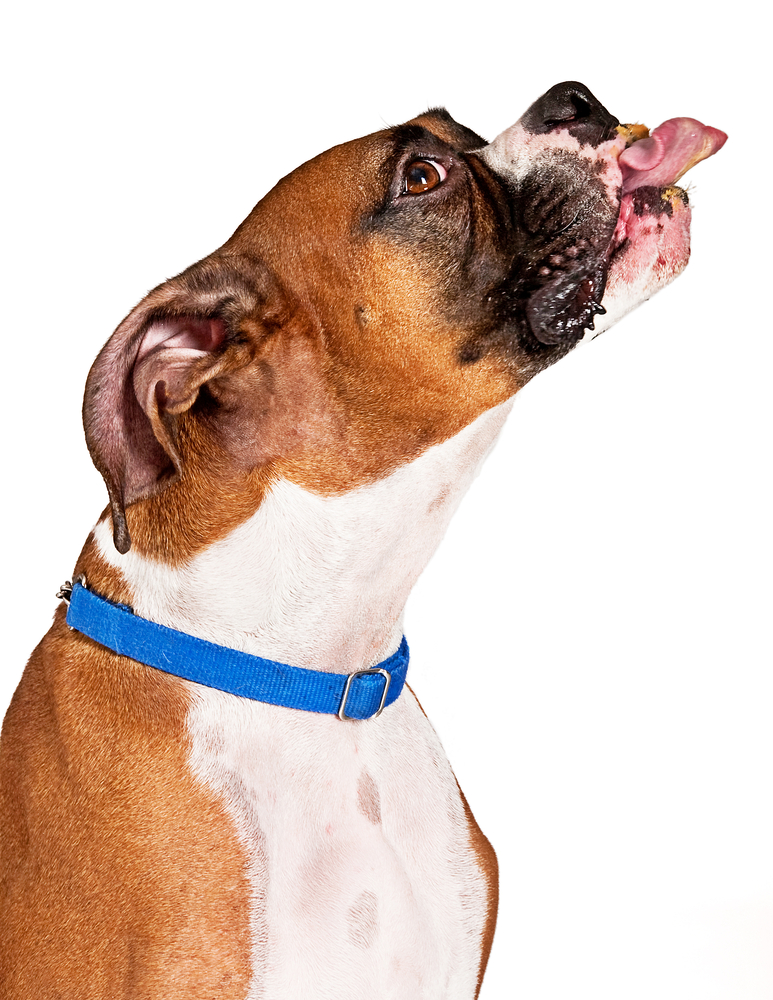 Symptoms of a peanut butter allergy can range from mild to severe and may not always occur immediately after consumption. In some cases, symptoms may develop gradually over time with repeated exposure to peanuts or peanut butter. What are the signs that a dog is allergic to peanut butter?
Skin Irritation - Itching, redness, or hives on the skin, particularly around the face, ears, paws, or belly.
Gastrointestinal Upset - Vomiting, diarrhea, or excessive gas shortly after consuming peanut butter.
Respiratory Issues - Coughing, wheezing, sneezing, or difficulty breathing due to swelling of the throat or airways. Anaphylaxis is rare but possible.
Ear Infections - Increased scratching or pawing at the ears, shaking of the head, or discharge from the ears.
Swelling - Swelling of the face, lips, tongue, or throat, which can lead to difficulty swallowing or breathing.
Lethargy - A general sense of tiredness, weakness, or lethargy, which may indicate an allergic reaction.
What To Do If Your Dog Is Allergic To Peanut Butter?
If you suspect your dog is allergic to peanut butter, notify your veterinarian as treatment may be needed. Some dogs may react quickly and develop signs of an allergic reaction, such as itching, redness, swelling, vomiting, diarrhea, or difficulty breathing. If your dog is allergic to peanut butter, here are some tips to help manage their allergy and help prevent further reactions:
Stop Feeding Peanut Butter - Immediately stop feeding your dog any peanut butter or peanut-containing products. Discard of any remaining peanut butter treats or snacks to prevent accidental ingestion.
Read Labels Carefully - When selecting pet products, carefully read ingredient labels to identify any potential peanut or peanut-derived ingredients. Peanut butter can sometimes be found in unexpected places, such as supplements or medications, so it's important to review labels carefully.
Educate Others - Inform family members, pet sitters, and anyone else who may interact with your dog about their peanut allergy and the importance of avoiding peanut-containing products.
Explore Alternative Treats - Look for alternative treats that are free from peanuts or peanut derivatives. There are many commercially available dog treats and snacks formulated specifically for dogs with food allergies or sensitivities. Consider options such as hypoallergenic treats made from novel protein sources like rabbit or venison.
How Can Peanut Butter Cause Yeast In Dogs?
Peanut butter itself is not inherently responsible for causing yeast infections in dogs. However, certain factors associated with peanut butter consumption may contribute to the development of yeast infections in dogs:
Presence of Mold - Peanuts are susceptible to mold growth, especially if they are stored in warm or humid conditions. Mold-contaminated peanuts can produce mycotoxins, which may contribute to yeast overgrowth in dogs.
High Sugar Content - Some commercial peanut butters contain added sugars or sweeteners, which can promote the growth of yeast organisms such as Candida albicans. Excessive sugar consumption can disrupt the balance of beneficial bacteria in the gut and encourage yeast overgrowth.
Overconsumption - Feeding excessive amounts of peanut butter to dogs can lead to imbalances in gut flora and create an environment conducive to yeast proliferation. The high fat content in peanut butter can also contribute to gastrointestinal upset and disrupt digestive health.
Allergies or Sensitivities - Dogs with food allergies or sensitivities may experience inflammation or irritation in the gastrointestinal tract, making them more susceptible to yeast overgrowth. While peanut allergies are more commonly associated with immune-mediated reactions, any food allergen has the potential to disrupt gut health and contribute to yeast infections.
Natural Remedies For Dog Yeast
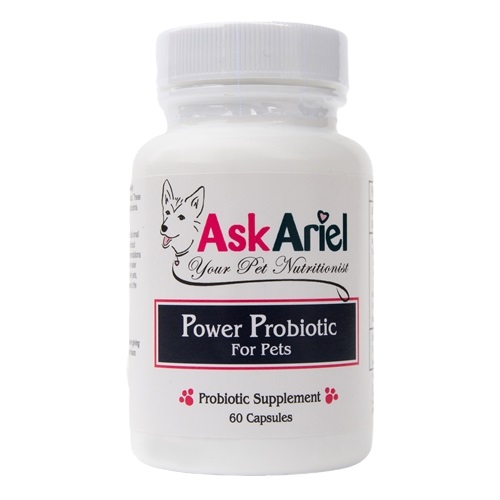
Power Probiotic For Dogs
Probiotics offer wide-ranging support for dogs with yeast infections. By restoring microbial balance in the gut, probiotics help counteract yeast overgrowth, promoting a healthier environment that discourages the proliferation of Candida albicans and other pathogens. These beneficial bacteria can bolster immune function, supporting the dog's natural defenses against yeast infections and aiding in the prevention of recurrence. Probiotics can also help to ease discomfort associated with yeast infections, such as itching and skin irritation.
Learn more about Power Probiotic For Dogs
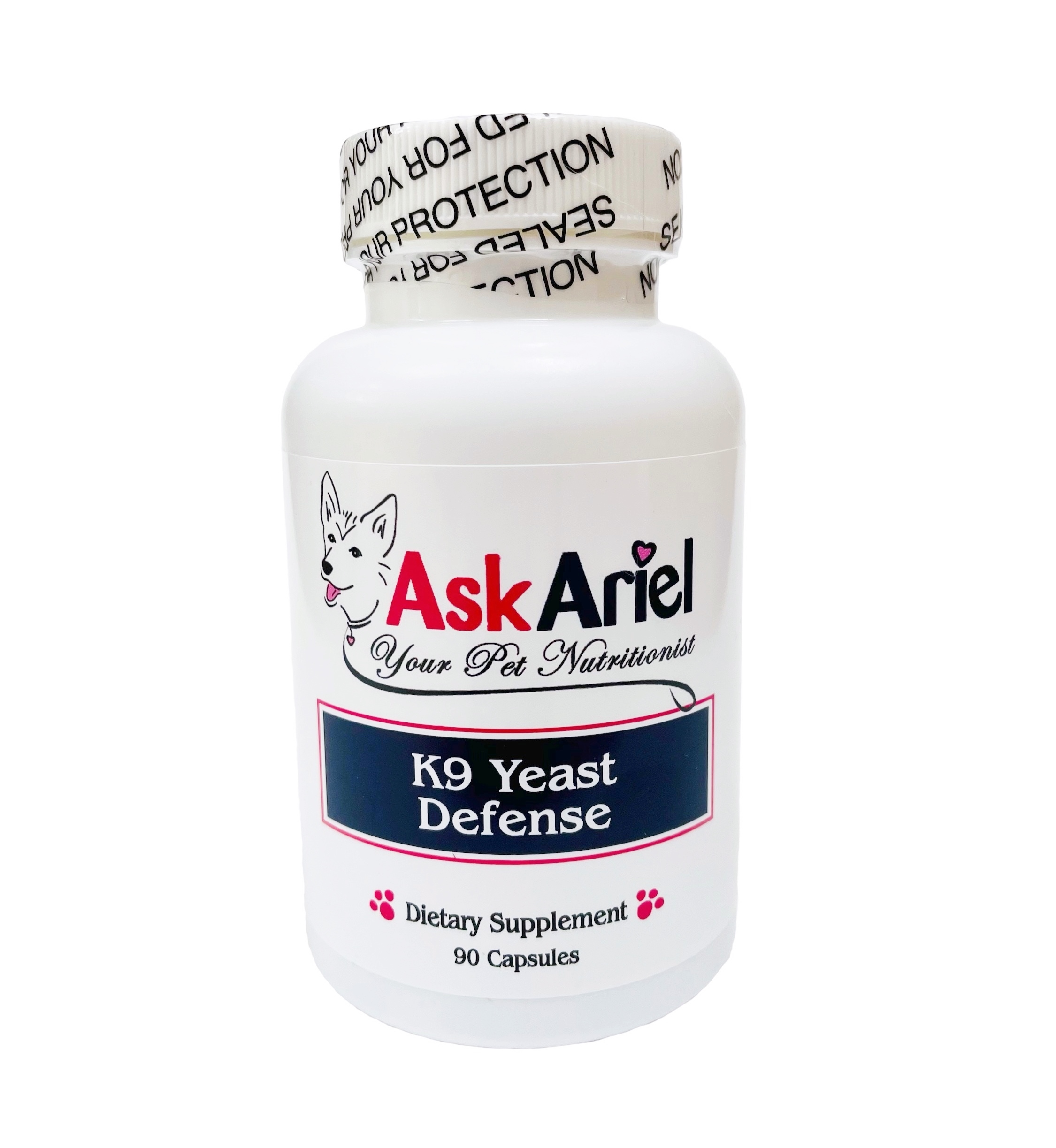
K9 Yeast Defense
Contains pau d'arco, oregano oil, and caprylic acid for dogs struggling with yeast overgrowth or infections. These compounds boast potent antifungal and antibacterial properties, effectively targeting yeast organisms like Candida albicans while promoting a healthy balance of gut flora. By reducing inflammation, supporting digestive health, and modulating immune function, these natural remedies can help alleviate symptoms associated with yeast infections, such as itching and discomfort, while aiding in the prevention of recurrence.
Learn more about K9 Yeast Defense
.jpeg)
AllerEaze For Pets
Quercetin, a natural flavonoid found in certain foods and plants, offers natural anti-inflammatory and antihistamine properties. By reducing inflammation and modulating the immune response, quercetin may alleviate symptoms such as itching, redness, and gastrointestinal upset associated with peanut allergies. By inhibiting the growth of yeast organisms, quercetin can help to address the underlying cause of infections while reducing inflammation and supporting immune function.
Learn more about AllerEaze For Pets
Article updated Mar 2, 2024
Written by: Susan Davis, Pet Health Nutritionist, CCN
All pet treatment protocols and pet treatment supplements have been reviewed and approved by a veterinarian
|