Natural Remedies For Pancreatitis In Dogs
Pancreatitis Supplements For Dogs
Natural Remedies for Pancreatitis in Dogs
Pancreatitis in dogs home treatment involves using digestive supplements and feeding a reduced fat, hypoallergenic diet. While a diagnosis of pancreatitis can be scary, many pet owners have found they can control pancreatitis flare ups at home by following these simple steps. The goal of natural remedies for pancreatitis in dogs is to reduce symptoms such as loose stool, acid reflux, burping, abdominal pain and indigestion. Supplements should include digestive pancreatic enzymes for dogs, probiotics and other supplements to support digestion.
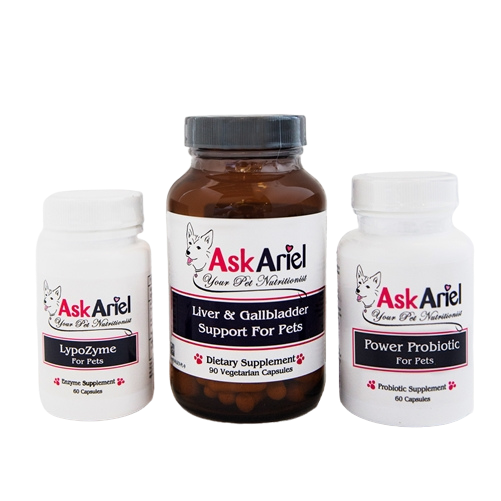
Pancreatitis Support Kit - Our Pancreatitis Support Kit contains three supplements that work synergistically to provide comprehensive support for a dog's liver and pancreas: Power Probiotic, LypoZyme and Liver & Gallbladder Support to improve digestion, support liver and gallbladder health and reduce gastric distress. Pancreatitis can affect your dog's liver function. The close proximity of the pancreas to the liver can affect bile flow, cause pancreatic enzymes to leak into the abdomen and affect liver function.
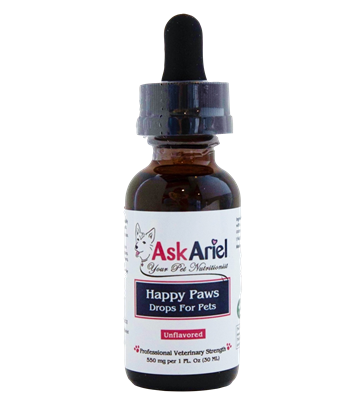
Happy Paws Drops - Many pets with pancreatitis are in pain and don't want to eat. After eating, they may have an upset stomach, noises in the abdomen, lethargy and may eat grass in an attempt to relieve the discomfort. Happy Paws Hemp Oil can help to reduce the inflammation associated with pancreatitis and help relieve pain. Each 1oz bottle contains 550mg of full-spectrum hemp extract in an unflavored all-natural coconut oil base. 100% organic. Made in the USA.
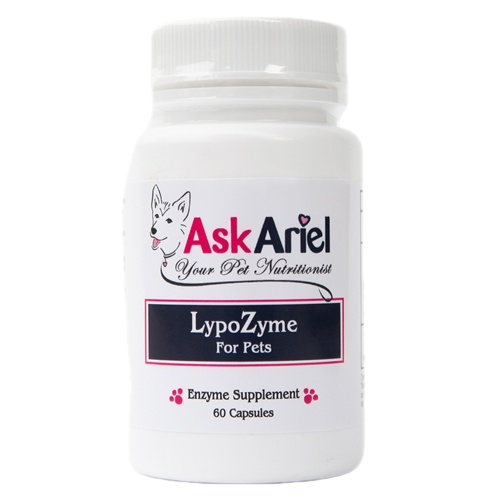
LypoZyme For Pets - This is a powerful powdered natural enzyme that can be mixed into food. It helps with the digestion of protein, fats and carbohydrates. It is veterinary-approved and has a stronger potency and purity than digestive enzymes purchased at a pet store. LypoZyme is gentle enough for a tiny pet and effective for larger pets. It’s easy to administer - just sprinkle on your dog’s food - and it’s safe and natural. It has NO FILLERS and is made in the USA.
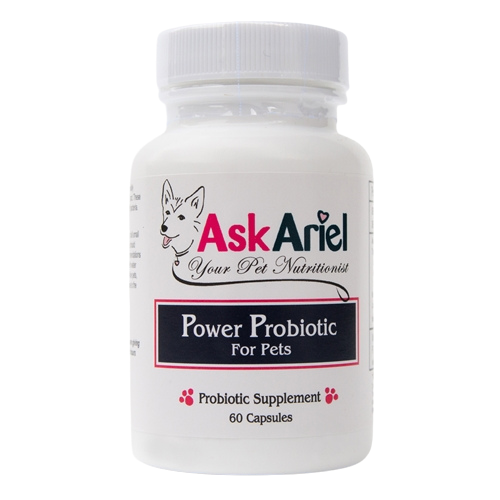
Power Probiotic - LypoZyme works best when used in conjunction with Power Probiotic. Power Probiotic is the best probiotic for pets. Backed by scientific research, this powerful multi-strain supplement promotes the growth of friendly bacteria that are essential to a healthy digestive system. Power Probiotic helps relieve discomfort associated with pancreatitis. It’s critical to use if your pet has taken antibiotics and steroids. Most dogs love the taste - just open and sprinkle on food.
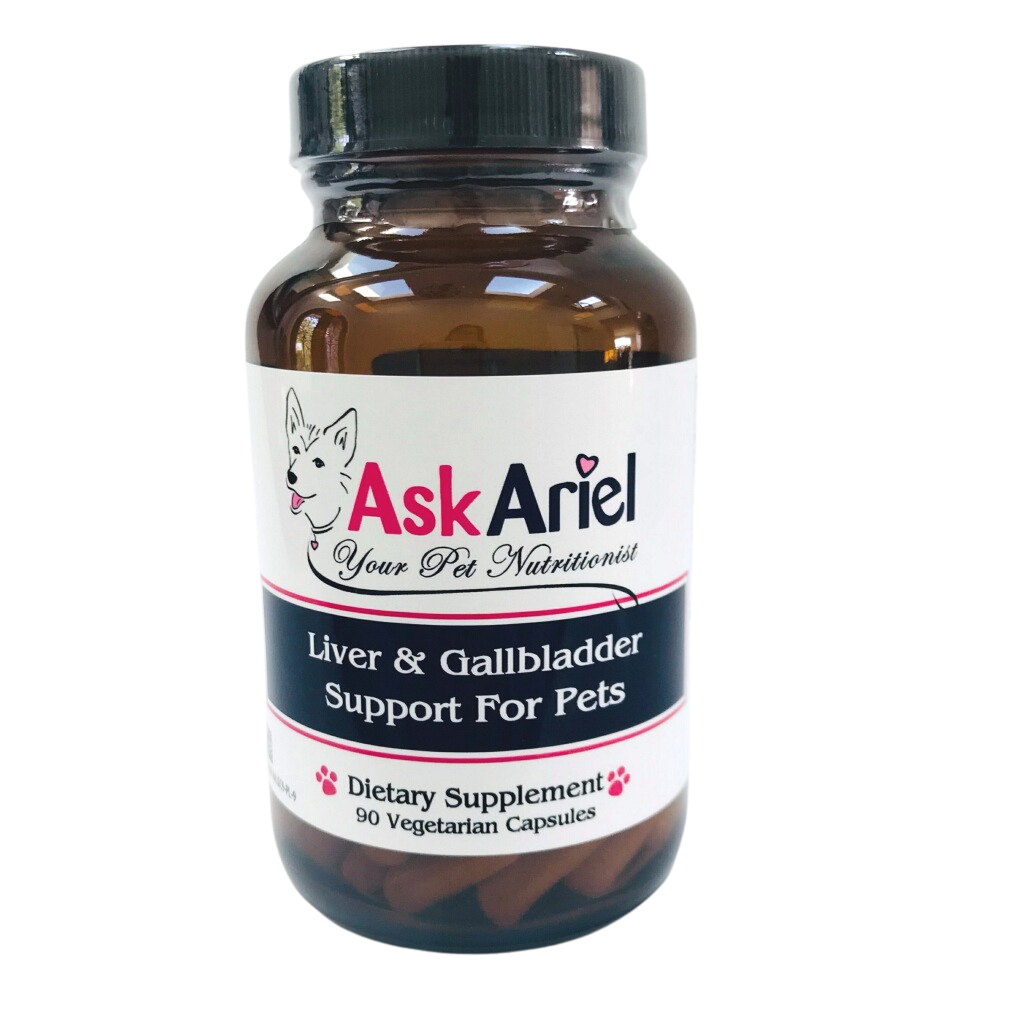 Liver & Gallbladder Support - The liver and intestinal tract are integrally related to pancreas function. Liver & Gallbladder Support contains amino acids, Vitamin A, ox bile and inositol to promote fat metabolism; an herbal blend of milk thistle, artichoke and beet powder to protect the liver against toxins and stimulate regeneration of damaged liver cells. A small amount of powder from the capsule sprinkled on food can help improve your dog’s liver and gallbladder health. Liver & Gallbladder Support - The liver and intestinal tract are integrally related to pancreas function. Liver & Gallbladder Support contains amino acids, Vitamin A, ox bile and inositol to promote fat metabolism; an herbal blend of milk thistle, artichoke and beet powder to protect the liver against toxins and stimulate regeneration of damaged liver cells. A small amount of powder from the capsule sprinkled on food can help improve your dog’s liver and gallbladder health.
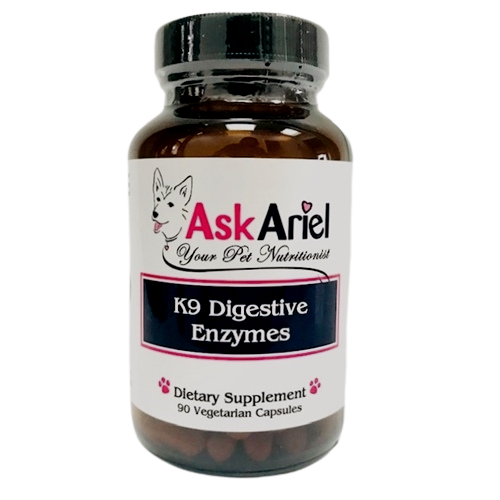 K9 Digestive Enzymes - This is the best digestive enzyme supplement to help maintain normal digestive function in dogs. It contains pancreatin, HCL and ox bile for increased absorption of protein and fats. It activates the digestive enzymes that break down foods. This unique combination of ingredients helps to relieve gas, bloating, burping and other symptoms associated with poor digestion and pancreatitis. K9 Digestive Enzymes - This is the best digestive enzyme supplement to help maintain normal digestive function in dogs. It contains pancreatin, HCL and ox bile for increased absorption of protein and fats. It activates the digestive enzymes that break down foods. This unique combination of ingredients helps to relieve gas, bloating, burping and other symptoms associated with poor digestion and pancreatitis.
What Is Pancreatitis in Dogs?
Pancreatitis in dogs is a life-threatening condition that occurs most often when pets overindulge in too many high-fat foods. While certain breeds such as schnauzers and Yorkshire terriers are more susceptible to pancreatitis (and have a lower tolerance to fats), any dog can develop it. Pancreatitis-related emergency visits occur most frequently the days after Thanksgiving and Christmas. Dogs are scavengers and are well known for tearing through trash bags or sneaking food from the counter. Well-meaning guests may treat your dog to a piece of fatty meat or pumpkin pie under the table. Overconsumption of table scraps can have deadly consequences. Smaller pets such as teacup Yorkies are especially vulnerable.
It’s important to know the symptoms of pancreatitis so that quick action can be taken if your pet shows the signs. Pancreatitis in dogs occurs when the pancreas becomes inflamed or swollen. A healthy pancreas is essential for the production of insulin to regulate blood sugar and enzymes that help with nutrient absorption during digestion. High-fat-content diets can cause the pancreas to overproduce digestive enzymes. These excess enzymes can start digesting the pancreatic tissue, which results in pain and swelling.
Symptoms of Pancreatitis in Dogs
During an attack, many dogs will assume a “praying position,” with their front legs and head lowered to the ground and their rear end up in the air. They are trying to relieve the pressure in the abdomen. Other symptoms of pancreatitis in dogs may include:
- Abdominal pain and upset stomach
- Swollen abdomen
- Arching of the back
- Diarrhea
- Vomiting
- Lethargy
- Fever
- Restlessness and depression
- Gagging
Please call your veterinarian right away if you notice your dog displaying these symptoms of pancreatitis. Dogs can have two forms of pancreatitis: acute (sudden onset) or chronic (the more common form where the dog has bouts or periodic episodes). Both forms of pancreatitis can be helped long-term with the use of digestive enzymes that break down nutrients, along with probiotics to support gastrointestinal health.
What Are Some of the Causes of Pancreatitis in Dogs?
- Nutritional - A high-fat diet and insufficient exercise can lead to obesity. Obese dogs are more prone to developing pancreatitis. Other nutritional factors that may trigger onset are lipemia, high levels of fat in the blood, and hypercalcemia, high levels of calcium in the blood. The reported incidences of acute pancreatitis increase during the holiday season, as a large helping of fatty foods can cause an attack.
- Genetics – Certain breeds are more likely to develop pancreatitis: schnauzers, cocker spaniels, Yorkshire terriers, miniature poodles, Cavalier King Charles spaniels, collies and boxers.
- Trauma – Being hit by a car or a high fall can trigger the onset of pancreatitis.
- Disease – Dogs with conditions such as diabetes, Cushing’s disease (hyperadrenocorticism), kidney disease and hypothyroidism have a higher likelihood of developing pancreatitis.

What Type of Pancreatitis Does My Dog Have?
Acute Pancreatitis in Dogs
Acute pancreatitis occurs suddenly. The most common symptoms are a loss of appetite, vomiting and abdominal pain. If not treated, the inflammation can spread to other organs and become a life-threatening emergency. Acute pancreatitis sometimes requires hospitalization and intravenous fluids along with antibiotics and pain meds. All forms of food and liquids (even water) are withheld to give the dog’s pancreas a chance to rest. Some dogs that recover from an acute episode will end up with chronic bouts of pancreatitis.
Chronic Pancreatitis in Dogs
Chronic pancreatitis is the more common form in dogs. It involves long-term, low-grade inflammation. Some dogs do not even show any visible symptoms. The signs may be as subtle as skipping a meal or not wanting to play. Other signs include vomiting after eating, weight loss and depression. Chronic pancreatitis needs to be managed by diet as flare-ups can occur, resulting in acute episodes. Many pet owners are not aware that the "premium" food they are feeding is actually contributing to their dog's condition. Most pet foods contain fillers such as corn, wheat, rice and legumes that can cause inflammation over time. Avoiding chemicals, fillers and food allergens can make a tremendous difference. Natural supplements can help take the burden off of the pancreas. Adding digestive enzymes for pancreatitis in dogs will help the dog’s system to digest food by breaking down the protein and fats.

Diagnosis of Pancreatitis in Dogs
To diagnose pancreatitis in dogs, a veterinarian may run laboratory tests, including blood work, X-rays and possibly an abdominal ultrasound. There is no single test that will provide a definitive diagnosis for pancreatitis in dogs. It is generally diagnosed from the clinical signs. The goal of treatment is to minimize the severity of flare-ups and prevent future occurrences. Pancreatitis in dogs can be well managed with diet changes and natural supplements to support pancreatic and liver function.
Exocrine Pancreatic Insufficiency (EPI)
Exocrine pancreatic insufficiency (EPI) is a condition in which the pet is unable to produce sufficient pancreatic enzymes. This lack of enzymes inhibits the digestion of fats, carbohydrates and proteins, and the resulting malabsorption of nutrients often causes weight loss despite consumption of large amounts of food. Some breeds are more prone to the condition, and it is more often seen in German shepherds, chows, Cavalier King Charles spaniels, and rough-coated collies. The main cause is thought to be a progressive loss of pancreatic cells, but EPI can also be due to chronic pancreatitis. The condition can be diagnosed by your vet through blood and fecal testing. Many pets with EPI often have IBD as well, and may have many food sensitivities. K9 Digestive Enzymes is a comprehensive digestive enzyme for dogs that contains pancreatin, oxbile and HCL from animals to naturally replace the missing enzymes dogs with EPI need.
Pancreatic Cancer in Dogs
Pancreatic cancer in dogs occurs when tumors form in the pancreas, the organ responsible for regulating sugar and digesting food. It is a rare disease, accounting for only 5% of all cancers in dogs. Symptoms of both pancreatic adenocarcinomas and insulinomas are vague and nonspecific. They may include abdominal pain, vomiting, lethargy, weight loss, anorexia, loss of appetite, loss of coordination, seizures and hair loss. If tumors are caught early, surgical removal may be an option. A special diet, medications and natural supplements would be needed to prevent the cancer from returning.
Layla
"Layla was diagnosed with pancreatitis. Our vet wanted Layla to be put on canned prescription formula to manage this and I knew I couldn't do that because I didn't agree with the ingredients in these foods. I talked to a friend who had used Ask Ariel in the past for her Yorkie with great success. Our vet was quite sure that Layla's issues could not be managed with diet but we were determined to try. From the moment I contacted Ask Ariel, I knew that Layla was in good hands and that through their help, everything would be fine. Layla was put on a strict diet, along with Ask Ariel's Lypozyme and Power Probiotic. Layla's Spec numbers went from 740 (under 400 is considered normal) in October, down to 164 in February. Our family is beyond thankful to Ask Ariel and all that they have done to save our girl from a lifetime of horrible canned food. I recommend Ask Ariel to anyone I meet who is dealing with a dog with health issues. I just can't say enough about how knowledgeable they are and how deeply they care." - The Pluss Family, California

Diet for Dogs With Pancreatitis
If your dog has been diagnosed with pancreatitis, it is important to feed a diet that is low in fat, hypoallergenic and grain-free to reduce inflammation and help to prevent future flare-ups. Thus, feeding a hypoallergenic dog pancreatitis diet can quiet GI inflammation, which, along with a lower fat diet, can help your dog feel better overall. Certain foods such as allergens and grains can be pro-inflammatory, meaning they can increase inflammation, so eliminating them from your dog’s diet is helpful. Ask Ariel Pet Nutritionist Susan Blake Davis offered holistic consultations in conjunction with veterinarians at VCA hospitals for over 10 years. Her canine pancreatitis diet and digestive enzyme supplements for dogs with pancreatitis can be used along with conventional treatments recommended by your veterinarian. Many pet owners might not realize that many foods (even the highest-quality, grain-free, premium diets) are contributing to their dog’s health issues. Please be sure to include the food and treats you are feeding your dog on the order form at checkout. We will include FREE diet tips for dogs with pancreatitis on the packing slip that comes with your order.
Why Use Ask Ariel Supplements To Help Your Pet With Pancreatitis?
Many pet owners have seen the benefits of using supplements for their own health and now want the same for their pets. Our premium natural pet supplements have been used successfully in veterinary hospitals since 2005. Ask Ariel's remedies are selected based on quality, scientific research and proven results. A holistic approach with supplements and diet changes (FREE diet tips on the packing slip with your order) will give your pet the best chance of healing and recovery. Many veterinarians have seen the proven results of our products with their patients, which is why Ask Ariel pet supplements are recommended by veterinarians nationwide.
Need Help? Please email us at [email protected]
|