
Pet Dental Health: 4 Fascinating Facts!
Symptoms of Dental Health Problems in Dogs and Cats
By Susan Blake Davis, CCN, AskAriel.com
What’s fascinating about your pet’s dental health? A lot more than you might think. Most of us don’t spend a lot of time looking into our pet’s mouths (could be a risky proposition with some pets) and all we see is the few shiny teeth upfront. It’s easy to overlook the “behind-the-scenesâ€� drama inside our pet’s mouths. That is why it is so important to have your pet’s teeth and gums checked regularly. Taking care of your pet’s teeth can increase the quality of their lives and lengthen their time with you.
Fascinating Fact #1: Feeding Crunchy Dry Food Does Not Prevent Pet Dental Problems
There is a misnomer that if you give your pet crunchy hard food that this will prevent tartar and tooth decay. This is not necessarily so……as what lies in many commercial crunchy foods is often grains, fillers, preservatives and chemicals that your pet can’t digest. While factors such as breed and age can definitely affect pet dental health, what is most important is the quality of the food you give your pet. Are you using a food that contains corn, wheat gluten and other grains? Does your pet’s food contain byproducts and chemicals? Does your pet’s food contain fresh ingredients such as vegetables or omega 3s? These are the types of considerations that will affect your pet’s dental health. Why? The health of your pet’s mouth, teeth and gums is greatly affected by the food you give them. If your pet is eating foods that cause digestive upset or acid stomach, then chances are this will be reflected in your pet’s mouth and breath. Saliva is a core part of tartar accumulation and acidic saliva can result in acid erosion of the teeth.
Fascinating Fact #2 Procrastination Spells “Money Pitâ€� -- The Longer You Wait, The More It Costs
Taking care of your pet’s teeth and gums needs to be part of your overall pet health budget just like bringing your pet in for annual exams. Did you know that the health of a pet’s teeth can affect their longevity and that dental disease can lead to heart disease, immune system issues and potentially impact your pet’s major organs such as the kidneys and liver. In addition to getting a regular dental checkup and treatments for your pet’s teeth, there are some natural supplements that can help protect your pet’s mouth and gums. Using a multi-strain probiotic such asPower Probiotic for Pets and a basic digestive enzyme such as Lypozyme can help keep your pet’s mouth and digestive tract healthy. Also, if your pet has acid stomach (digestive noises, excessive grass eating), Gastro ULC provides effective relief which should also help your pet’s saliva.
![]()
Fascinating Fact #3---Getting Your Pet’s Teeth Cleaned Doesn’t Always Require Anesthesia
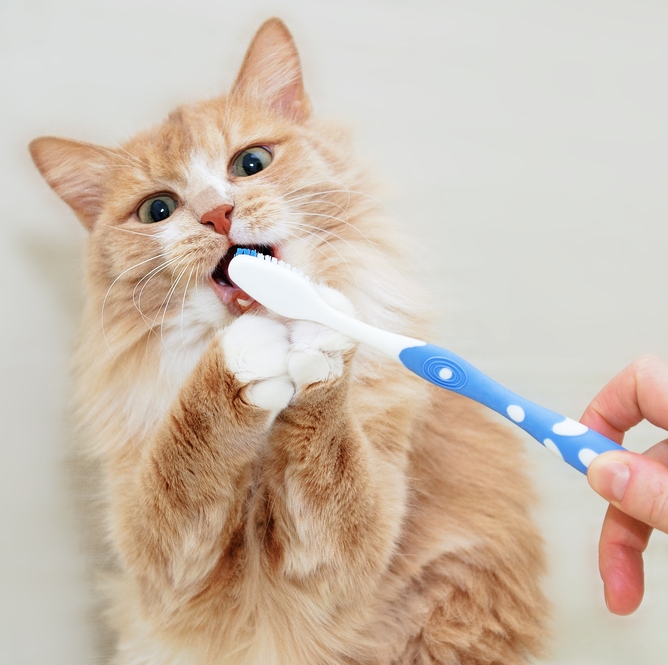
Many holistic-minded pet owners are looking for natural alternatives to take care of their pet’s dental health. Anesthesia-free dental cleaning is available at many veterinary hospitals---often, you just need to ask for it. Anesthesia-free dental cleaning is a great option for regular dental care of your pet’s teeth provided your pet is cooperative. Having the procedure done at a veterinary hospital is recommended to ensure that if problem areas are detected, a veterinarian can look at your pet’s teeth and gums and determine the best course of action. If you haven’t had your pet’s teeth cleaned in a long time, most likely your pet is not a good candidate for anesthesia-free cleaning. But, after you have the initial teeth cleaning done with anesthesia, be sure to speak to your veterinarian about then getting on an anesthesia-free program in the future.
Fascinating Fact #4---Your Pet’s Mouth Could Be More Similar to a Septic jungle Than A Rose Garden
Behind those white teeth in the front, could be a jungle of inflammation and infection. Bacteria and plaque accumulate, leading to bad breath, inflamed gums, abscesses and other dental problems. It is quite common for a veterinarian to open your pet’s mouth and find pus, broken, cracked and loose teeth along with severe tartar. While dental disease starts In your pet’s mouth, it comes to the forefront when our pets reach their senior years. The bacteria in your pet’s mouth are carried to all parts of their body through the bloodstream and filtered through their organs. Years of buildup are especially hard on senior pets as their immune systems aren’t as strong and the bacteria can lead to other serious health problems.
It’s important to put your pet’s dental health on your schedule. Be sure to check with your veterinarian’s office to see when they might have a special for dental care and plan ahead.
What’s fascinating about your pet’s dental health? A lot more than you might think. Most of us don’t spend a lot of time looking into our pet’s mouths (could be a risky proposition with some pets) and all we see is the few shiny teeth upfront. It’s easy to overlook the “behind-the-scenesâ€� drama inside our pet’s mouths. That is why it is so important to have your pet’s teeth and gums checked regularly. Taking care of your pet’s teeth can increase the quality of their lives and lengthen their time with you.
Fascinating Fact #1: Feeding Crunchy Dry Food Does Not Prevent Pet Dental Problems
There is a misnomer that if you give your pet crunchy hard food that this will prevent tartar and tooth decay. This is not necessarily so……as what lies in many commercial crunchy foods is often grains, fillers, preservatives and chemicals that your pet can’t digest. While factors such as breed and age can definitely affect pet dental health, what is most important is the quality of the food you give your pet. Are you using a food that contains corn, wheat gluten and other grains? Does your pet’s food contain byproducts and chemicals? Does your pet’s food contain fresh ingredients such as vegetables or omega 3s? These are the types of considerations that will affect your pet’s dental health. Why? The health of your pet’s mouth, teeth and gums is greatly affected by the food you give them. If your pet is eating foods that cause digestive upset or acid stomach, then chances are this will be reflected in your pet’s mouth and breath. Saliva is a core part of tartar accumulation and acidic saliva can result in acid erosion of the teeth.
Fascinating Fact #2 Procrastination Spells “Money Pitâ€� -- The Longer You Wait, The More It Costs
Taking care of your pet’s teeth and gums needs to be part of your overall pet health budget just like bringing your pet in for annual exams. Did you know that the health of a pet’s teeth can affect their longevity and that dental disease can lead to heart disease, immune system issues and potentially impact your pet’s major organs such as the kidneys and liver. In addition to getting a regular dental checkup and treatments for your pet’s teeth, there are some natural supplements that can help protect your pet’s mouth and gums. Using a multi-strain probiotic such asPower Probiotic for Pets and a basic digestive enzyme such as Lypozyme can help keep your pet’s mouth and digestive tract healthy. Also, if your pet has acid stomach (digestive noises, excessive grass eating), Gastro ULC provides effective relief which should also help your pet’s saliva.
Fascinating Fact #3---Getting Your Pet’s Teeth Cleaned Doesn’t Always Require Anesthesia
Many holistic-minded pet owners are looking for natural alternatives to take care of their pet’s dental health. Anesthesia-free dental cleaning is available at many veterinary hospitals---often, you just need to ask for it. Anesthesia-free dental cleaning is a great option for regular dental care of your pet’s teeth provided your pet is cooperative. Having the procedure done at a veterinary hospital is recommended to ensure that if problem areas are detected, a veterinarian can look at your pet’s teeth and gums and determine the best course of action. If you haven’t had your pet’s teeth cleaned in a long time, most likely your pet is not a good candidate for anesthesia-free cleaning. But, after you have the initial teeth cleaning done with anesthesia, be sure to speak to your veterinarian about then getting on an anesthesia-free program in the future.
Fascinating Fact #4---Your Pet’s Mouth Could Be More Similar to a Septic jungle Than A Rose Garden
Behind those white teeth in the front, could be a jungle of inflammation and infection. Bacteria and plaque accumulate, leading to bad breath, inflamed gums, abscesses and other dental problems. It is quite common for a veterinarian to open your pet’s mouth and find pus, broken, cracked and loose teeth along with severe tartar. While dental disease starts In your pet’s mouth, it comes to the forefront when our pets reach their senior years. The bacteria in your pet’s mouth are carried to all parts of their body through the bloodstream and filtered through their organs. Years of buildup are especially hard on senior pets as their immune systems aren’t as strong and the bacteria can lead to other serious health problems.
It’s important to put your pet’s dental health on your schedule. Be sure to check with your veterinarian’s office to see when they might have a special for dental care and plan ahead.