Has your dog been diagnosed with collapsed trachea? There is hope and there is help! At Ask Ariel, we specialize in helping small breed dogs find real relief from the chronic coughing, gagging, and breathing problems associated with tracheal collapse. While veterinary treatments like cough suppressants and bronchodilators can provide short-term relief, our natural remedies for collapsed trachea in dogs focus on soothing your dog's symptoms long-term by strengthening the trachea, reducing inflammation, and supporting respiratory health. Trusted by pet owners and veterinarians since 2005, Ask Ariel’s dog tracheal collapse home treatment has helped thousands of dogs feel better and enjoy a higher quality of life.
Our Collapsed Trachea Kit provides targeted, natural support to help strengthen tracheal cartilage and reduce symptoms such as coughing, gagging, and struggling to breathe.
This kit includes two of our most effective supplements:
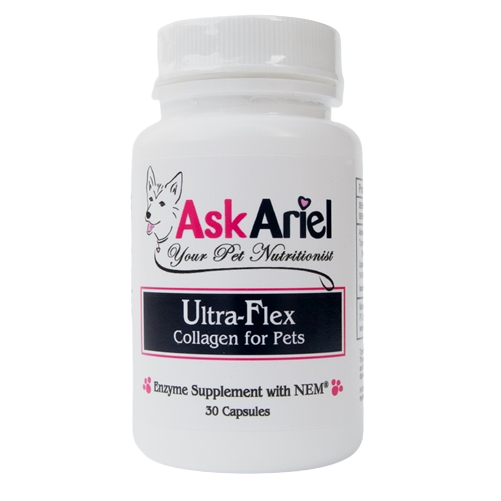
Ultra-Flex Collagen – Strengthens tracheal cartilage, promoting flexibility and elasticity.
Resveratrol with Green-Lipped Mussels – Provides antioxidant support plus omegas to support healthy breathing and comfort.
Excellent Value! Save over 10% with the Collapsed Trachea Kit, plus enjoy FREE shipping when you use coupon code ctkit at checkout.
"Our little Shorkie, Wuqi began having this honking, choking cough so, of course, we took him to our vet. We were horrified to learn that he had something called 'Collapsed Trachea', to which both breeds of Wuqi's parentage are susceptible. Collapsed Trachea is a condition that only grows worse as dogs get older & it can shorten their lifespan. We happen to be big fans of alternative health treatments & so we started researching this condition which is how we found Ask Ariel. We bought several of the products & within 2 weeks, Wuqi quit having that cough & his energy rebounded. These products definitely work & we are & will be repeat buyers. Wuqi's doing great. He's 12 & everybody he meets is surprised he's that old."
Wuqi uses: Power Probiotic, Ultra-Flex Collagen, and Happy Paws Drops.
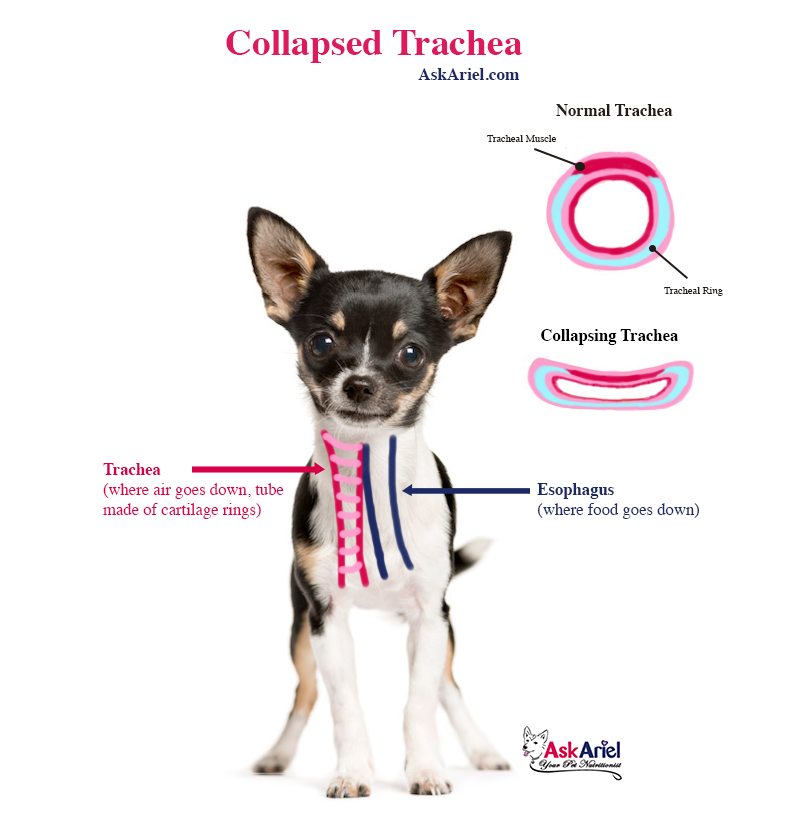
Tracheal collapse is a genetic or congenital condition where the rings of cartilage in the trachea weaken over time and collapse. The trachea is the windpipe or airway that extends from your dog’s mouth down to the lungs. This flexible tube is held open with a series of rings made of cartilage. When the rings collapse, they can make it harder for your dog to breathe, which can lead to wheezing and a persistent honking cough.
Tracheal collapse is a progressive condition that affects mostly toy and small-breed dog breeds, but it can occur in medium- to large-sized dogs as well. While dogs with severe congenital tracheal weakness may be diagnosed as puppies, most dogs are diagnosed when they are over the age of 6. As pets age, they lose elasticity and stability in the cartilage, joints, muscles and connective tissue. This, along with other secondary health conditions, contributes to more dogs being diagnosed later in life.
Yorkshire terriers
Chihuahuas
Pomeranians
Miniature & toy poodles
Pugs
Lhasa apsos
Shih tzus
Maltese
"My name is Benji. I am 14 year old Yorkshire Terrier and a few years ago I started to have episodes where I couldn't catch my breath. My owners took me to the vet and were told it was a collapsing trachea. My owners do not like pharmaceutical medications so they did a web search and found you. They ordered for me the Ultra-Flex Collagen For Pets. After about a month my symptoms were gone. I have only had a couple of episodes and that has been on very cold days. Thank you for providing this wonderful product because I was very scared when not being able to catch my breath."
Ask Ariel’s dog collapsed trachea home treatment involves supplements and diet changes to strengthen the trachea and reduce the triggers (e.g. allergies, poor digestion, acid stomach, etc.) that cause coughing. While there isn't a miracle cure for collapsing trachea, our natural remedies can help pets feel a lot more comfortable.
Below are common triggers that can make your dog's collapsed trachea symptoms worse:
Poor digestion and acid reflux
Food allergies
Heart disease
Obesity
Anxiety or getting over-excited
Pressure applied to the trachea
Drinking or eating too quickly
While a natural cure for collapsing trachea may not exist, a holistic approach can provide significant relief and manage the condition effectively. Our holistic approach combines natural high-quality supplements, diet changes, and simple lifestyle changes to reduce your dog's symptoms of tracheal collapse and improve their overall quality of life. Genetics is the most common reason for weak tracheal cartilage. But anatomy does not have to equal destiny. Controllable factors, such as allergies, digestion and environment, can be managed to help control the progression of collapsed trachea.
You’ll want to try to achieve the following:
Reduce coughing attacks and the anxiety that can come with them.
Support the heart and respiratory system, which can decline due to tracheal collapse.
Improve digestion to reduce esophageal irritation that triggers coughing and spasms.
"This is Buster, adopted from my local shelter 6 years ago. He has a collapsing trachea, so I’ve been giving him Ultra-Flex Collagen, Soothing Digestive Relief, Gastro-ULC and Power Probiotic for about the last 6 months. He has had great relief from his symptoms and the vet said his breathing sounds better than it did 6 months ago! His intermittent diarrhea is no longer a problem either... I’m very pleased with how well these products are supporting Buster’s health. Buster also uses LypoZyme for his digestion and collapsing trachea; he is doing so much better since we started with these products!"
To soothe your dog's symptoms and help them live a long, happy life, consider Ask Ariel's home treatment plan for dog tracheal collapse, which has successfully helped thousands of small dogs with this condition.
Maintain a healthy weight: Excess weight increases exertion and can trigger coughing. Replace a portion of dog food with green vegetables to add low-calorie bulk. Dogs with collapsed trachea still need exercise—low-impact, slow walks are ideal. Click here for more healthy weight loss tips.
Use a harness instead of a collar: A harness reduces pressure on the neck and helps prevent further irritation. Never use a choke collar.
Carry your dog without pressure on the neck/chest: Support the chest and back legs evenly. A carrier or sling can help distribute weight and reduce discomfort.
Control overexcitement and anxiety: Stick to routines and plan for common triggers (like doorbells). Excitement can cause coughing, rapid breathing, or fainting.
Avoid airborne irritants: Smoke, dust, and strong fragrances can worsen coughing. Use air filtration and keep the home clean to reduce irritation.
Use supplements to support the trachea and digestion: Omegas help reduce inflammation and collagen supports cartilage. Digestive support can reduce reflux that irritates the esophagus.
Feed a hypoallergenic diet: Diet matters because inflammation, allergies, and reflux can worsen symptoms. A low-carb, novel protein approach can be helpful.
"I just wanted to take time to thank you for your wonderful products. My 6 year old Morkie, Piper, was starting to suffer from several symptoms of collapsed trachea and I was getting really nervous. One night I researched online and found your products and client testimonials so I purchased the Ultra-Flex Collagen and Power Probiotic. Within just a couple of days of use, almost all of her symptoms had subsided. I plan to purchase some additional products you recommend for collapsed trachea but wanted to let you know that I am amazed and truly grateful for your products - they work!!!"
Ultra-Flex Collagen - Available at a discounted package price (with FREE shipping) as part of the Collapsed Trachea Kit or may be purchased separately. A tasteless powder that is easy to administer once a day mixed in food. Ultra-Flex Collagen is a natural food-based remedy that is scientifically proven to stimulate and strengthen trachea cartilage, helping to reduce coughing and gagging over time.
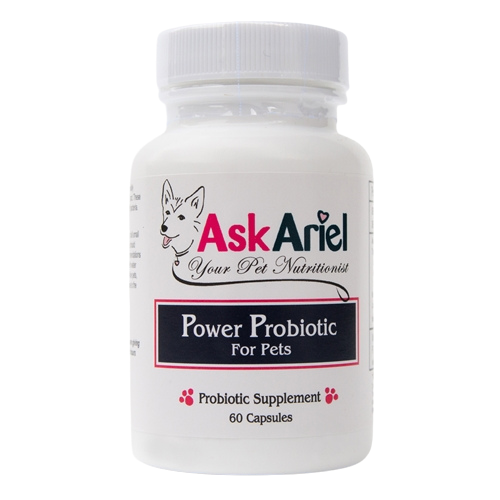
Power Probiotic - A MUST-HAVE supplement to use alongside the Collapsed Trachea Kit. Most small dogs with tracheal collapse also suffer from acid reflux or digestive issues that can irritate the esophagus, triggering coughing and throat spasms. Adding Power Probiotic helps soothe the digestive tract, reduce inflammation, and minimize coughing episodes—making it easier for your pet to breathe and stay comfortable while managing collapsed trachea at home.
PureOcean Wild Omegas - These powerful omegas reduce inflammation, reduce allergy symptoms and strengthen the trachea, joints, and ligaments.
Purrfect Pet CoQ10 - Many dogs with collapsing trachea develop an enlarged heart due to the stress on the pet as it tries to breathe. Using Purrfect Pet CoQ10 helps maintain healthy heart function and respiration.
"My Brody is doing wonderful with no trachea cough/gagging since I started him on your supplements! My Brody Bear is one happy boy!!"
Products Used: Ultra-Flex Collagen, Amazing Omegas, Purrfect Pet CoQ10
Many dog foods (even the highest quality, grain-free, premium diets) can worsen collapsing trachea symptoms because they contain ingredients that promote inflammation, indigestion or an allergic response. Dogs with collapsed trachea often experience esophageal irritation, which can contribute to coughing. Poor digestion can exacerbate symptoms, making dietary choices especially important for an effective collapsed trachea home treatment. Feeding the best diet for collapsed trachea (switching to a hypoallergenic, novel protein diet) can have a huge impact on a dog's overall well-being. The following diet tips are suggested by Susan Blake Davis, Pet Nutritionist, AskAriel.com.
Feed a high-moisture diet: Include fresh or cooked food. Avoid dry kibble, rawhide treats, and hard chew items that can irritate the throat.
Avoid grains and cereal-based treats: Grains can worsen inflammation and may trigger sensitivities for some dogs.
Incorporate digestible vegetables: Cooked squash, okra, green beans and similar vegetables support digestion.
Add omegas to meals: Use fish like sardines or salmon, or high-quality fish oil to reduce inflammation.
Consider raw frozen and freeze-dried:Raw food (freeze-dried and frozen) is nutrient dense, minimally processed, low in fillers, and easier to digest for many dogs.
Please provide your dog's diet and treats on the order form at checkout. We can include FREE diet tips on the packing slip that comes with the product directions.
Reproduction, copying, or use of this content in any form without written permission is strictly prohibited.
The hallmark symptom of collapsed trachea in dogs is a repeated goose honk. This distinctive tracheal collapse dog sound is often the first sign that something is wrong. Excitement and exercise can trigger respiratory symptoms. The most common symptoms of collapsed trachea are:
Coughing (goose honking)
Gagging
Wheezing and noisy respiration
Difficulty breathing
Acid reflux and/or digestive upset
Retching
Exercise intolerance
Fainting spells
Blue-tinged gums
Clinical signs will often be enough for a veterinarian to suspect a collapsed trachea, especially in small-breed dogs. It is very important to have a veterinarian perform a full physical exam and run laboratory tests to rule out other conditions. Chest x-rays are typically used for diagnosis, but tracheal collapse is not always visible on regular x-rays. Some vets will perform a fluoroscopy (video x-ray taken while the dog is breathing). Others will do a bronchoscopy (inserting a flexible tube with a light and camera down the trachea). Both provide detailed imaging of the cartilage rings and can show the severity of the collapse. An ECG, or echocardiogram, can be used to determine if heart function has been affected by the tracheal collapse.
Laryngeal paralysis and Geriatric Onset Laryngeal Paralysis Polyneuropathy (GOLPP) can sometimes have the same symptoms of collapsed trachea, though those conditions are different in both diagnosis and treatment.Learn about laryngeal paralysis and GOLPP here.
You may be wondering what to do for collapsing trachea in dogs. Below are some testimonials from past and current Ask Ariel customers who have utilized our supplements, recommended lifestyle changes, and diet changes to help their pets with collapsed trachea.
"We took CJ (Chichi) after two weeks of rescuing her sister, Mia. 'Chichi' would not eat or drink so was returned by previous adopters. It quickly became clear that her breathing issues were severe. After doing extensive research, I discovered Ask Ariel. Within a month of receiving the Collapsed Trachea Kit, Chichi had more energy, was breathing easier, sleeping more than 10 minutes at a time, and started enjoying a much better quality of life. I'm incredibly grateful for these products and would highly recommend them to others. These supplements saved her life. Thank you, Ask Ariel!!"
"My beautiful, sweet, soon-to-be 13 year old 'baby' girl Zoe is thriving thanks to Ask Ariel supplements. She was diagnosed with a kidney issue over a year ago and today her numbers improved and she is enjoying life. She is my fierce loyal companion. Thanks to Ask Ariel I am sure we will have many more years of memories together. Thank you for giving us both renewed hope!"
Products used: Power Probiotic, Kidney Health Protein Support, Ultra-Flex, Purrfect Pet CoQ10.
"Here is a picture of our two Italian Greyhounds Chip (on the left) and Princess who are nearly 12 years old. Chip has collapsed trachea but we have been giving him Ultra-Flex Collagen consistently for over a year which has helped calm the horrible, honking cough he had previously. He still has days when he coughs but it is no longer the coughing that sounds like a goose."
"I am very happy with your products. In 2016, Bianca had her teeth cleaned and it caused partial damage to her trachea. It was so bad that the medicine they put her on wasn't helping. That's when someone from Facebook told me about your company and your Ultra-Flex Collagen product. It worked miracles for Bianca and she was able to get off the other medicine. In 2018, she developed kidney disease. I purchased your Kidney Health and Bianca was tested again and her kidney function has improved. That is amazing! I am so grateful for your company and knowledge."
"My 13 yr old maltese has been struggling with a dry cough and passing out due to her collapsing trachea. I got Ultra-Flex Collagen and I cannot believe it, 3rd day, no coughing or passing out. It is truly a miracle, and I am a customer for the rest of her life. Thank you so much, she is my fur baby."
"I just wanted to thank you for your help and tell you that Ultra-Flex is a real winner. I noticed my 10 year old Yorkie Tango was breathing differently like he was congested, particularly when he slept at night (and he sleeps with us, so I can hear him). I read about how older Yorkies have a tendency towards trachea issues. I started Tango on the Ultra-Flex Collagen Support and the whole breathing situation has COMPLETELY cleared up and he is breathing very comfortably. Also, Tango will be 10 years old this October, and he is showing signs of arthritis… the Ultra-Flex has significantly helped with the limping too."
"When she was four years old, Sprocket was diagnosed with Microvascular Liver Dysplasia which was not correctable through surgery, and we were told she would only live maybe two more years. We wanted to use natural treatments as much as possible and found Ask Ariel. Ask Ariel provided us with a diet suggestion and supplements that have kept Sprocket going strong… As she got older and started limping, we started her on CurcuMagic, ArthroStride and Ultra-Flex for her collapsing trachea."
"My 12 year old dog Maggie loves all the supplements recommended for collapsed trachea. Especially when she has a nasty coughing fit."
Products Used: Ultra-Flex Collagen
“My dog Holly died from a collapsed trachea. I heard about your supplement (for collapsed trachea) about two weeks after she died to my dismay… Well my other dog Daisy has always gagged after drinking and recently started coughing occasionally when she lies down. I immediately purchased your Ultra-Flex Collagen. She has been taking it for a few weeks now and I noticed she doesn't gag anymore… I am happy I've found Ultra-Flex Collagen for Daisy. I want to thank you again for another great product!”
Susan Blake Davis, is a Pet Nutritionist and founder of Ask Ariel, providing veterinarian recommended, human-grade supplements for dogs and cats for over 20 years. Susan developed these supplements after years of working in animal rescue, helping thousands of shelter pets regain their health through holistic nutrition and care.
From 2005 to 2015, she offered holistic pet nutrition consultations at VCA Hospitals and a veterinary oncology center, working alongside Dr. David Gordon, a respected integrative veterinarian in Southern California. Over the years, veterinarians nationwide have recommended Ask Ariel supplements after seeing firsthand the proven results in their patients.
A Phi Beta Kappa graduate of UC Davis with a Master’s from UCLA and certification as a Clinical Nutritionist, Susan’s expertise has been featured in Catster, Dogster, The Los Angeles Times, and the Orange County Register.
How can I treat my dog’s collapsed trachea at home?
To treat your dog's collapsed trachea at home, use a harness instead of a collar, use natural remedies to strengthen tracheal cartilage and feed a low carbohydrate, hypoallergenic diet to manage allergens, improve digestion and help your dog maintain a healthy weight. Food allergies can cause stomach upset and acid reflux, which can lead to esophageal irritation and coughing. Additionally, avoid irritants like vaping, smoking, and harsh chemicals to prevent further distress and discomfort for your dog.
What does tracheal collapse sound like in a dog?
Tracheal collapse in dogs is often characterized by a distinct goose honk cough. This dry, hacking cough is often triggered by excitement, exercise or eating. The sound is caused by the narrowing of the trachea, which leads to difficulty breathing and coughing.
Can a dog recover from collapsed trachea? What is the prognosis?
Collapsed trachea is a progressive condition, but with a combination of holistic and conventional veterinary treatments, symptoms can be well managed. The prognosis depends on the severity of the collapse and how early the condition is detected. Early intervention—including lifestyle changes, medication, and addressing related health issues that may arise due to the collapsed trachea, such as heart disease—can greatly improve the dog's outlook. While a collapsed trachea cannot be completely cured, a combination of treatments and supportive care can help manage the condition and provide a good quality of life for your dog.
Can Dogs Live A Happy Life With Collapsed Trachea?
Yes, dogs with collapsed trachea can thrive with proper care. Although the condition presents challenges, symptoms can be managed effectively at home. Use a harness instead of a collar, maintain a healthy weight, and use medications and supplements to support your dog’s trachea and respiratory system. Incorporate omega-3 fatty acids and a low-carbohydrate, hypoallergenic diet to boost overall health. Avoiding irritants like smoke, vaping, dust, and chemical odors is important to prevent further distress and discomfort for your dog. Regular veterinary care to monitor for potential complications such as heart disease is important for their well-being, helping them lead a happy and active life.
How do veterinarians treat collapsed trachea in dogs?
Veterinarians treat collapsed trachea with a combination of medications, lifestyle adjustments, and sometimes surgery. Medications may include cough suppressants, bronchodilators, and steroids. In severe cases, surgical options like placing stents or C-shaped rings can provide structural support to the trachea. Treatment plans vary based on the severity of the condition.
What natural supplements can help manage a dog's collapsed trachea?
Natural supplements can be highly beneficial in managing a dog’s collapsed trachea by supporting tracheal cartilage, reducing inflammation, and enhancing respiratory health. Supplements such as glucosamine and collagen are commonly used to help strengthen weakened tracheal rings and provide structural support to the trachea, potentially slowing the progression of the condition. Omega-3 fatty acids, typically found in fish oil, are effective in reducing inflammation throughout the body, including the respiratory system, which can help alleviate symptoms associated with collapsed trachea.
How can I soothe my dog’s collapsed trachea symptoms naturally?
To soothe your dog’s collapsed trachea symptoms naturally, focus on reducing inflammation and improving breathing. Start by making diet and lifestyle changes, such as avoiding smoke and allergens, ensuring your dog maintains a healthy weight, and using a harness instead of a collar to prevent additional pressure on the trachea. Gentle exercise can also help reduce strain. Additionally, natural treatments like targeted supplements can help strengthen the trachea and calm irritation. This holistic approach can provide long-term relief for dogs with collapsed trachea.