Has your cat been diagnosed with feline herpesvirus (FHV-1) or suffering from recurring sneezing, watery eyes, congestion, runny nose, or upper respiratory flare-ups? There is hope and there is help!
Unlike bacterial infections, feline herpesvirus (FHV-1) is a chronic viral condition that often comes and goes throughout a cat’s life. While antibiotics may help secondary bacterial infections, conventional treatments do not eliminate the virus itself. This is why long-term immune and respiratory support at home can be so important when managing recurring feline herpes flare-ups.
Trusted by veterinarians and cat owners since 2005, Ask Ariel's feline herpes home treatment has helped many cats feel better and enjoy a higher quality of life. Over the years, we’ve seen how natural remedies and diet changes can bring significant relief to cats suffering from herpes and other viruses.
Cats with herpes and chronic viral infections need immune, upper respiratory and antiviral support. That's why our Complete Support Package combines our easy-to-use Immune Support Kit with a FREE bottle of Olive Leaf Extract ($34.75 Value).
Natural treatment for sneezing, runny nose, watery eyes and congestion
Provides complete support for recurring herpes flare-ups and chronic viral infections
Three easy-to-administer remedies with minimal smell or taste
FREE Olive Leaf Extract provides natural antiviral support
Add the Immune Support Kit and Olive Leaf Extract to your cart and use coupon code bonusolive to get your FREE bottle of Olive Leaf Extract.
NOTE: Coupon limited to one-time use per customer.
Feline herpesvirus (FHV-1), also known as Feline Viral Rhinotracheitis (FVR), is a highly contagious virus that affects cats, especially in multi-cat households or stressful environments. It is the leading cause of chronic respiratory issues in cats, causing symptoms like sneezing, nasal discharge, rhinitis, and conjunctivitis.
Cats are usually exposed to FHV-1 as kittens, and while many recover from the initial infection, the virus remains dormant in their system and can flare up during times of stress or illness. This flare-up can lead to virus shedding, posing a risk of infection to other cats.
More than half of all cats carry FHV-1, though not all show symptoms. In some cases, long-term FHV infection can cause complications such as FHV-associated dermatitis (inflammation and ulcers around the nose and mouth), as well as issues affecting the reproductive tract and complications during pregnancy.
"The products at Ask Ariel saved my Ernie's life. He is 7+ years old and has FIV and was suffering with Stomatitis. He was very sick. He wasn't eating anything. I could barely get him to come out. Now he is eating all the time running around like a little kitten. The photos to show you what he looked like and what he looks like now. It is like night and day. The people here are so friendly and so knowledgeable I just love them. I can't say enough good things about them!!! I would recommend anybody to them. Even my vet couldn't believe it. She got their information as well. They will not rip you off. If you email them with a question they get right back with you and let you know the best course of action. They will not just try and sell you their product if they think it is best suited for a vet they will let you know. It's nice to have a company that actually cares."
Ernie uses: Power Probiotic and Immune Support Kit.
Chronic upper respiratory infections
Runny nose and nasal discharge
Watery eyes, eye discharge and/or conjunctivitis (eye inflammation)
Cat sneezing (Learn more about cat sneezing remedies)
Coughing and difficulty breathing
Vomiting or loss of appetite
Fatigue or lethargy
Cat herpes symptoms (as well as other viruses) can come and go. When the virus is reactivated by stress, a weakened immune system or illness, the cat will become infectious and can spread the virus to other cats. This is called "shedding" the virus. It can be shed by saliva, nasal or eye secretions or blood.
"Stripe is an amazing cat. Ever since a kitten, Stripe had it rough! He nearly died when he was a month old, he was gravely ill out of nowhere. Fast forward a couple of years, I noticed him throwing up and screaming. I took him to the vets and he was diagnosed with stomatitis! Well, I didn't know what stomatitis was, so I researched and got meds. Stripe was still ill, so I took him to the humane society where he was diagnosed with FIV. I freaked out, but nevertheless, he's my son, so I thought we have a fight in hand. Stripe and I have been through a lot and I wholeheartedly love him, so I vowed never to give up and then I found Ask Ariel which has been a life saver for my handsome fur baby."
Stripe uses Power Probiotic and QUENT Anti-Viral Drops.
While feline viruses like herpes can't be cured, there's a lot you can do at home to help your cat feel better. Here are some simple natural approaches that can help reduce flare-ups and ease symptoms:
Immune-Boosting Supplements: Using a natural antiviral for cats like Olive Leaf can help reduce viral shedding. Probiotics can help to rebalance the gut and immune system. A recent study showed that some cats who supplemented with a probiotic had reduced clinical symptoms of FHV-1.
Lysine: Lysine is an amino acid that is often recommended for managing feline herpes virus symptoms. Lysine for feline herpes helps to reduce the replication of the virus, potentially lessening the severity and frequency of flare-ups.
Hydration & Humidity: Keep your cat hydrated by providing fresh water at all times and encouraging them to drink. If your cat has a stuffy nose, a warm, steamy bathroom can help clear the airways.
Stress Reduction: Stress is the #1 trigger for herpes flare-ups. Common stressors for cats may include household changes, a vet visit, or loud noises. Stress can weaken the immune system and make symptoms worse.
Hypoallergenic Diet: Reducing food-based inflammation allows the immune system to focus its energy on fighting the virus. We include FREE diet tips with your supplement order.
"Boris is my (now) 10 year-old domestic medium haired cat. He's a gentle and loving boy. He's had issues with allergies and feline herpes since he was 1 year old, which manifest in sneezing and runny eyes with discolored discharge. A couple of years ago, I found Ask Ariel. Boris was switched to a novel canned food source and I put him on Power Probiotic and NOT Drops in addition to his daily l-lysine. These keep his eye issues mostly under control on its own, and I can definitely tell when I've skipped a dose. Thanks for helping my Bobo!"
Immune Support Kit – The Immune Support Kit is an effective treatment for cats with sneezing, viruses, sores, coughing and upper respiratory infections.
Easy to use drops (with minimal smell and taste – no alcohol)
Fight infections to reduce nasal discharge and sneezing
Clears up sinuses and nasal tract to improve breathing
Gentle, natural remedies that can safely be used on an ongoing basis
Acts as an immune booster for cats with herpes and other viruses
Contains three tasteless, natural remedies that provide relief by calming infection and inflammation
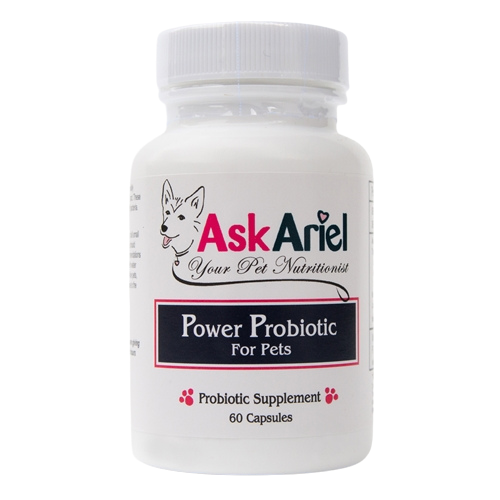
Power Probiotic – Backed by scientific research, probiotics are immune boosters for cats with FIV, FeLV, herpes and other viruses. The majority of your cat's immune system resides in the intestinal tract, so supporting friendly bacteria can help keep your cat resilient. The powder from the capsule can be sprinkled on food or eaten by itself. Many cats love the taste.
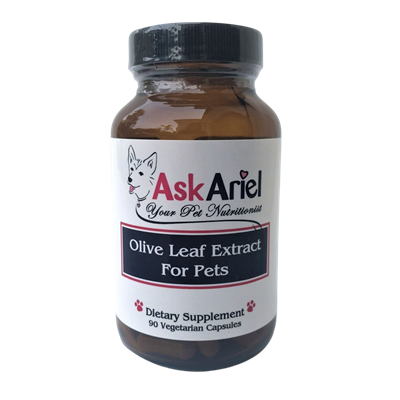
Olive Leaf Extract For Pets – A trusted, natural antiviral for cats that has been effective in relieving symptoms of feline viruses, like herpesvirus, and upper respiratory infections. Used since ancient times, it contains protective polyphenols that help interfere with viral replication and provide broad-spectrum antibacterial and antifungal benefits. Helpful for cat congestion and cat phlegm, Olive Leaf Extract is considered one of the best anti-virals for cats. Made in the USA.
Manage the Sneezing: Persistent cat sneezing can lead to secondary bacterial infections. If your cat's discharge changes from clear to yellow or green, it could be a sign of an infection.
Eye Care: Feline herpes often causes dry eye or corneal ulcers. Use a warm, soft cloth to gently clean discharge away to prevent irritation.
The "Gut-Brain" Connection: Stress triggers the gut, which triggers the virus. Using Power Probiotic daily helps maintain a stable baseline for stressed cats.
Avoid Starchy Foods: Carbohydrates turn into sugar, which can fuel inflammation. A high-protein, low-carbohydrate diet can help.
Feline viruses are highly contagious. Here are a few things you can do to help prevent the spread of feline herpesvirus, FeLV, FIV and FCV:
Keep your cat indoors. Infections are commonly transmitted through cat bites.
Avoid close contact with other cats. Viruses spread quickly in shelters and catteries.
Keep your cat's environment clean to reduce viral particles and secondary infection risk.
Get your cat vaccinated to help their immune system develop protection (such as calicivirus or feline leukemia).
"My name is Fred. At 13, my parents FINALLY found relief for my chronic flare-ups of the feline viruses—like Herpes. I would start sneezing and then have secondary infections and have to go on traditional meds and the cycle would continue...(not to mention the tummy upsets that I would have from the traditional meds.) They were looking for a natural cat herpes home remedy for me. Now, my mom gives me NOT Drops and QUENT Drops just mixed into a little food and I am not so congested. Wish they had found this sooner."
I also use the Silver Immune Support spray when needed and it works wonderful.
Cats thrive on a hypoallergenic, low-carbohydrate diet. This doesn't just mean eliminating grains typically found in dry food. Grain-free is a sure improvement, but many grain-free dry foods contain starchy carbohydrates to reduce the cost of cat food.
To strengthen your cat's immunity, feeding a hypoallergenic, low-carbohydrate diet with a novel protein is helpful. Many quality pet foods, even "holistic brands," contain too many starchy carbohydrates that convert to sugar, weakening your cat's immune system.
Please include your cat's diet and treats on the order form at checkout, along with your kitty's health issues. Based on our extensive experience helping cats with viruses, we will include a diet suggestion on the packing slip that comes with the product directions.
Feline herpesvirus commonly affects a cat's eyes and can lead to the following conditions:
Conjunctivitis – Swelling and inflammation of the eyelid tissue. Can cause squinting and discharge.
Keratitis – Inflammation of the cornea layer of the eye. Can cause ulcers or sores on the cornea.
Eosinophilic keratitis – An immune reaction that causes white spots on the cornea that can lead to blindness.
Corneal Sequestrum – Brown or black spots on the cornea. Caused by tissue dying off.
Dry Eye (Keratoconjunctivitis sicca) – Tear glands do not produce enough tears; eyes can become dry, red, inflamed.
Feline Immunodeficiency Virus (FIV), often called feline AIDS or cat HIV, is a retrovirus spread primarily through deep bite wounds, making outdoor, unneutered males most at risk. FIV is not contagious to people or other animals, and transmission between household cats that get along is rare.
FIV vs FHV: What is the difference? Feline FIV (Feline Immunodeficiency Virus) weakens a cat's immune system, making them more susceptible to infections, while FHV (Feline Herpesvirus) primarily affects the respiratory system, causing symptoms like sneezing, eye discharge, and nasal congestion.
Regular vet visits and supplements like the Immune Support Kit, Immune Harmony and Power Probiotic can help manage symptoms. Keeping your FIV-positive cat indoors reduces exposure to secondary infections and helps prevent spread.
Feline leukemia virus (FeLV) is a highly contagious virus that weakens a cat's immune system, making them vulnerable to other illnesses. Many FeLV-positive cats succumb to secondary infections within a few years. Anemia is common, and FeLV is also the leading cause of cancer in cats.
The virus spreads through saliva, milk, urine, feces, and nasal secretions, often via shared food bowls or litter boxes, and affects only cats. Early testing and immune support can help some FeLV-positive cats live normal lives.
The virus infects 2-3% of cats in the US, with higher rates among kittens, outdoor cats, and those already ill.
Feline calicivirus (FCV) is a highly contagious viral infection that affects cats, impacting the respiratory tract, mouth, intestines, and musculoskeletal system. Common symptoms include upper respiratory infections (sneezing, nasal congestion, conjunctivitis), mouth ulcers, inflammation, and fatigue.
FCV may also result in painful joint inflammation and chronic gingivitis or stomatitis. The virus spreads through saliva and secretions and can survive on surfaces for up to a month, making disinfection essential.
While humans cannot contract FCV, they can spread it to cats through contaminated surfaces. Home treatments, including supplements and a low-carbohydrate, novel-protein diet, can help manage symptoms. New strains of FCV are common due to the virus's ability to mutate.
Susan Blake Davis, CCN, is a Pet Nutritionist and founder of Ask Ariel, providing veterinarian recommended, human-grade supplements for dogs and cats for over 20 years. Susan developed these supplements after years of working in animal rescue, helping thousands of shelter pets regain their health through holistic nutrition and care.
From 2005 to 2015, she offered holistic pet nutrition consultations at VCA Hospitals and a veterinary oncology center, working alongside Dr. David Gordon, a respected integrative veterinarian in Southern California. Over the years, veterinarians nationwide have recommended Ask Ariel supplements after seeing firsthand the proven results in their patients.
A Phi Beta Kappa graduate of UC Davis with a Master’s from UCLA and certification as a Clinical Nutritionist, Susan’s expertise has been featured in Catster, Dogster, The Los Angeles Times, and the Orange County Register.
.png)