Common Eye Problems in Cats & Dogs:
Symptoms, Treatments & Natural Remedies
Dogs and cats can experience a range of eye health problems that may impact their vision and quality of life. Here are 6 of the most common eye problems in cats and dogs, including their symptoms and commonly prescribed veterinary treatment.Dry Eye In Dogs & Cats
![cat with bad eyes]() Dry Eye, also known as Keratoconjunctivitis Sicca (KCS), is a common ocular condition in both dogs and cats that results from a deficiency in tear production. The symptoms of dry eye are redness, discharge, squinting, and a dull appearance in the eyes. Affected dogs and cats may exhibit increased sensitivity to light and paw at their eyes due to discomfort. The primary cause of dry eye is an autoimmune response where the immune system attacks & damages the tear-producing glands, leading to decreased tear production. Other contributing factors include certain medications, infections, or congenital abnormalities. Without sufficient tear production, the cornea becomes prone to drying out & developing ulcers, which may lead to vision impairment if left untreated.
Dry Eye, also known as Keratoconjunctivitis Sicca (KCS), is a common ocular condition in both dogs and cats that results from a deficiency in tear production. The symptoms of dry eye are redness, discharge, squinting, and a dull appearance in the eyes. Affected dogs and cats may exhibit increased sensitivity to light and paw at their eyes due to discomfort. The primary cause of dry eye is an autoimmune response where the immune system attacks & damages the tear-producing glands, leading to decreased tear production. Other contributing factors include certain medications, infections, or congenital abnormalities. Without sufficient tear production, the cornea becomes prone to drying out & developing ulcers, which may lead to vision impairment if left untreated.
Treatment May Include:
Regular application of lubricating eye drops or ointments to help moisturize the eyes and alleviate dryness and discomfort.Topical medications to help stimulate tear production and reduce inflammation in the tear glands.In cases of severe inflammation or secondary infections, steroid eye drops or ointments may be prescribed to reduce inflammation and promote healing of the ocular surface.In some cases, systemic medications such as antibiotics or immunosuppressive drugs may be necessary to address underlying causes.Natural supplements such as omega-3 fatty acids to reduce ocular inflammation, coenzymeQ-10 to help protect the eyes from oxidative damage, and probiotics to support overall immune function and reduce systemic inflammation.
Glaucoma In Dogs & Cats
Glaucoma, a serious eye condition, can affect both dogs and cats, leading to discomfort and vision problems. Watch out for symptoms like enlarged or cloudy eyes, redness, squinting, and behavior changes. This condition occurs when there is increased pressure within the eye, often due to poor fluid drainage. In some cases, glaucoma can be hereditary, while secondary glaucoma may result from other eye issues or diseases. If untreated, glaucoma can cause pain and irreversible damage to the optic nerve, potentially leading to blindness. Early detection is crucial and veterinary attention is necessary to manage the condition.
Treatment May Include:
Eye drops or ointments containing medications may be prescribed to help lower intraocular pressure by either reducing the production of aqueous humor (fluid in the eye) or increasing its outflow.In some cases, oral medications may be prescribed to help further reduce intraocular pressure.Surgical options for glaucoma in dogs and cats may include laser therapy (cyclophotocoagulation), gonioimplantation (placement of a shunt to drain fluid), or enucleation (surgical removal of the eye). These procedures aim to reduce intraocular pressure and alleviate pain. The procedure would depend on factors such as the severity of the glaucoma, response to medical therapy, and overall health of the animal.Supportive care measures such as pain management, anti-inflammatory medications, and regular monitoring of intraocular pressure are essential to manage glaucoma and improve the quality of life for affected pets.Natural supplements such as coenzymeQ-10 can help support overall eye health and function. Omega-3 fatty acids may help reduce inflammation in the eye associated with glaucoma. Lutein and zeaxanthin are carotenoids, pigments found in many vegetables, that may help protect against oxidative damage and support overall eye health. Vegetables rich in lutein and zeaxanthin include leafy greens like kale and Swiss chard.
Conjunctivitis in Dogs & Cats
![basset hound with pink eye]() Conjunctivitis, commonly known as pink eye, is a common cat and dog eye infection. It is characterized by inflammation of the conjunctiva, the thin membrane covering the inner surface of the eyelids and the whites of the eyes. Symptoms may include redness, swelling, discharge, and discomfort, leading to squinting or excessive tearing. It is one of the biggest causes of red eyes in dogs.
Conjunctivitis, commonly known as pink eye, is a common cat and dog eye infection. It is characterized by inflammation of the conjunctiva, the thin membrane covering the inner surface of the eyelids and the whites of the eyes. Symptoms may include redness, swelling, discharge, and discomfort, leading to squinting or excessive tearing. It is one of the biggest causes of red eyes in dogs.
Pets often exhibit bloodshot eyes with visible redness in the whites of their eyes, indicating an inflammatory response. Conjunctivitis in cats and dogs may be accompanied by ocular discharge, ranging from clear to thick and yellow or greenish in color. Affected pets frequently squint or keep their eyes partially closed, due to the discomfort associated with this ocular ailment.
Conjunctivitis in pets can be caused by various factors, including viral or bacterial infections, allergies, irritants, or underlying health issues. It is important to seek veterinary care to determine the underlying cause.
Cat & Dog Conjunctivitis Treatment May Include:
If the conjunctivitis is caused by a bacterial infection, topical antibiotics in the form of eye drops or ointments may be prescribed to help clear the infection and reduce inflammation.In cases where conjunctivitis is caused by other microorganisms such as fungi or protozoa, topical antimicrobial medications may be prescribed.In cases of allergic conjunctivitis or severe inflammation, steroid eye drops or ointments may be prescribed to reduce inflammation and alleviate discomfort.If the conjunctivitis is caused by allergies, antihistamine eye drops or oral medications may be used to help alleviate symptoms such as itching and redness.Applying warm compresses to the affected eye can help soothe irritation, loosen debris, and promote drainage of discharge. Be sure to use a clean, damp cloth and gently apply it to the closed eyelid for a few minutes at a time.Flushing the affected eye with a sterile saline solution or an eye wash solution prescribed by your vet can help remove irritants, discharge, and debris, promoting healing and reducing inflammation.Natural supplements such as probiotics can help promote a healthy balance of gut bacteria and support overall immune function, which can indirectly impact ocular health and help prevent recurrent conjunctivitis. Omega-3 fatty acids may help reduce inflammation associated with conjunctivitis and support overall eye health. Quercetin is a natural antihistamine for pets which may help reduce inflammation and alleviate symptoms associated with allergic conjunctivitis in cats and dogs. Olive leaf extract has antioxidant and anti-inflammatory properties to support the immune system and reduce inflammation. Olive leaf is commonly used as an eye infection for dog treatment that can help manage conjunctivitis caused by bacterial or viral infections.
Corneal Ulcers In Dogs & Cats
Corneal ulcers in dogs and cats can cause discomfort and potential vision problems. Keep an eye out for symptoms such as squinting, excessive tearing, redness, and sensitivity to light. Corneal ulcers occur when the outer layer of the cornea, the clear part of the eye, gets damaged or injured. Causes can range from scratches due to foreign objects like debris or plants, to infections from bacteria or viruses. Underlying conditions, such as dry eye or abnormalities in the eyelids, may contribute to corneal ulcers. Veterinary attention is needed to prevent complications, as untreated ulcers can lead to further damage, impaired vision, or even loss of the eye.
Treatment May Include:
Antibiotic eye drops or ointments are often prescribed to prevent or treat bacterial infections that can occur secondary to corneal ulcers.Atropine eye drops may be used to dilate the pupil and reduce pain associated with corneal ulcers by relaxing the muscles of the iris. Atropine can also cause temporary blurring of vision and increased intraocular pressure, so its use should be closely monitored by your veterinarian.Steroid eye drops or ointments may be prescribed to reduce inflammation and pain associated with corneal ulcers.Lubricating eye drops or ointments may be used to keep the cornea moist and promote healing. In some cases, oral antibiotics or pain medications may be prescribed to manage underlying infections or provide additional pain relief.In some cases, surgical interventions such as corneal grafting may be necessary to promote corneal healing and preserve vision.Natural supplements such as omega-3 fatty acids help reduce inflammation and support overall eye health in pets with corneal ulcers. Probiotics play a role in modulating immune responses and reducing inflammation, which could indirectly impact the healing process of corneal ulcers. CoQ10 supplementation may help support overall eye health and promote tissue healing due to its antioxidant properties.
Cataracts In Dogs & Cats
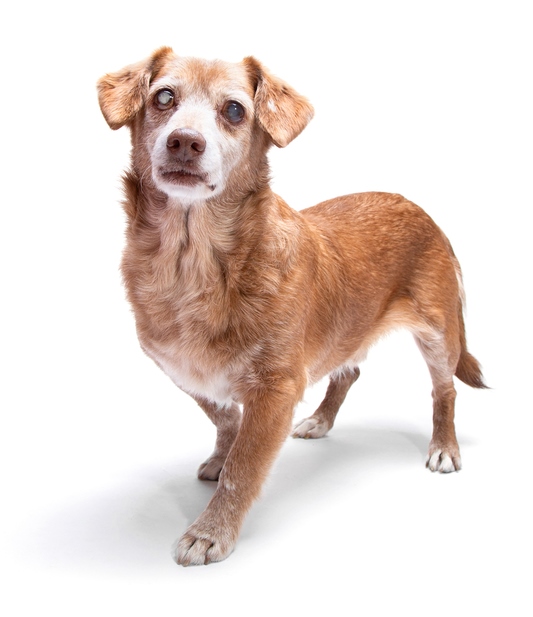
![cairn terrier]() Cataracts, a common eye issue in dogs and cats, can cloud your pet's vision and impact their quality of life. Watch for signs like a whitish or cloudy appearance in the eye, difficulty seeing in low light, or changes in behavior. Cataracts develop when the lens of the eye becomes opaque, hindering the passage of light & causing vision impairment. While aging is a common cause, cataracts can also result from genetic predisposition, diabetes, eye injuries, or inflammation. If untreated, cataracts can lead to blindness. Treatment options for cataracts in pets depend on several factors, including the underlying cause of the cataracts, the extent of vision impairment, and the overall health of the animal.
Cataracts, a common eye issue in dogs and cats, can cloud your pet's vision and impact their quality of life. Watch for signs like a whitish or cloudy appearance in the eye, difficulty seeing in low light, or changes in behavior. Cataracts develop when the lens of the eye becomes opaque, hindering the passage of light & causing vision impairment. While aging is a common cause, cataracts can also result from genetic predisposition, diabetes, eye injuries, or inflammation. If untreated, cataracts can lead to blindness. Treatment options for cataracts in pets depend on several factors, including the underlying cause of the cataracts, the extent of vision impairment, and the overall health of the animal.
Treatment May Include:
Surgical removal (phacoemulsification) is the most common and effective treatment for cataracts in dogs and cats. During this procedure, the clouded lens is broken into tiny pieces using ultrasound or laser energy and then removed from the eye. After the cataract is removed, an artificial intraocular lens (IOL) may be implanted to restore vision. Phacoemulsification surgery is typically performed by a veterinary ophthalmologist and has a high success rate in restoring vision in pets with cataracts.In cases where surgery is not feasible, medical management may be used to manage secondary complications of cataracts, such as inflammation (uveitis) or increased intraocular pressure (glaucoma). This may involve the use of topical or oral medications to control inflammation and intraocular pressure and preserve vision.Making adjustments to the pet's environment and routine can help accommodate vision loss associated with cataracts. Providing additional lighting, using textured surfaces or rugs to aid navigation, and avoiding sudden changes to the pet's surroundings can be helpful.Natural supplements such as omega-3 fatty acids and lutein/zeaxanthin may help support overall eye health and slow the progression of cataracts in pets.
Uveitis in Cats & Dogs
Uveitis is an inflammation of the uvea – the middle layer of the eye. It can affect both dogs and cats and it can cause discomfort and potential vision issues. Symptoms may include: squinting, redness, excessive tearing, and sensitivity to light. Uveitis may be caused by various factors, including infections, autoimmune disorders, trauma, or underlying health conditions. In some cases, it can be a secondary response to other eye problems. The inflammation can lead to pain and may result in serious complications like glaucoma or cataracts, impacting overall eye health. Veterinary intervention is crucial for diagnosis & to determine the underlying cause.
Treatment May Include:
Medications such as steroid eye drops or ointments are often prescribed to reduce inflammation and alleviate pain associated with uveitis. In severe cases, oral steroids may be necessary to control inflammation throughout the body. Non-steroidal anti-inflammatory drugs (NSAIDs) may also be used as adjunctive therapy to provide additional pain relief and reduce inflammation.Atropine eye drops may be used to dilate the pupil and reduce pain associated with uveitis. Dilating the pupil can help prevent the formation of adhesions (synechiae) on the eye lens, which can occur as a complication of uveitis.If uveitis is caused by a bacterial or fungal infection, topical antibiotics or antimicrobial medications may be prescribed to control the infection and prevent further complications.In cases of autoimmune uveitis, immunosuppressive medications may be prescribed to modulate the immune response and reduce inflammationPain management is an essential component of uveitis treatment, as inflammation within the eye can be quite painful for pets. Pain medications may be prescribed to provide relief from discomfort associated with uveitis.Natural supplements such as green-lipped mussels, which contain omega-3 fatty acids, glucosamine, and, chondroitin sulfate, may help reduce inflammation associated with uveitis and support overall eye health. Probiotics contain beneficial bacteria that can help promote a healthy balance of gut flora and support overall immune function. Probiotics may play a role in modulating immune responses, which could help manage uveitis. Curcumin, the active compound in turmeric, can help manage inflammation associated with uveitis. Plant sterols are compounds found in plants that help modulate immune responses and reduce inflammation, which could be beneficial for managing uveitis. Plant sterols can be especially helpful for pets with immune-mediated uveitis.
How Diet Can Promote Eye Health In Cats And Dogs
Incorporating foods rich in essential nutrients can contribute to the well-being of a cat or dog's eyes. Vitamin A, vital for vision health, can be found in pet-friendly vegetables like carrots, butternut squash and sweet potatoes. These orange vegetables are essential for eye health and contribute to the maintenance of ocular tissues. Incorporating foods high in omega-3 fatty acids, such as fish, can support overall eye function & reduce inflammation. Omega-3s support the structure and function of the eyes and are beneficial for dry eye. Salmon, mackerel, and flaxseeds are excellent sources of omega-3s that can be integrated into a pet's diet. Antioxidant-rich fruits like blueberries and strawberries can provide protective benefits for the eyes as they combat oxidative stress. Finally, lutein & zeaxanthin are carotenoids, which are pigments found in many vegetables that contribute to eye health by acting as antioxidants and supporting the macula of the eye. Vegetables rich in lutein and zeaxanthin include leafy greens like kale and Swiss chard.
Feeding pets a raw frozen diet can be beneficial as they frequently contain omega 3 fatty acids, lean protein and fresh vegetables high in antioxidants and Vitamin A. A balanced and nutrient-rich diet is fundamental for maintaining the overall health of dogs and cats, including their eyes.
Supplements For Eye Health In Cats And Dogs
![Purrfect Pet CoQ10]()
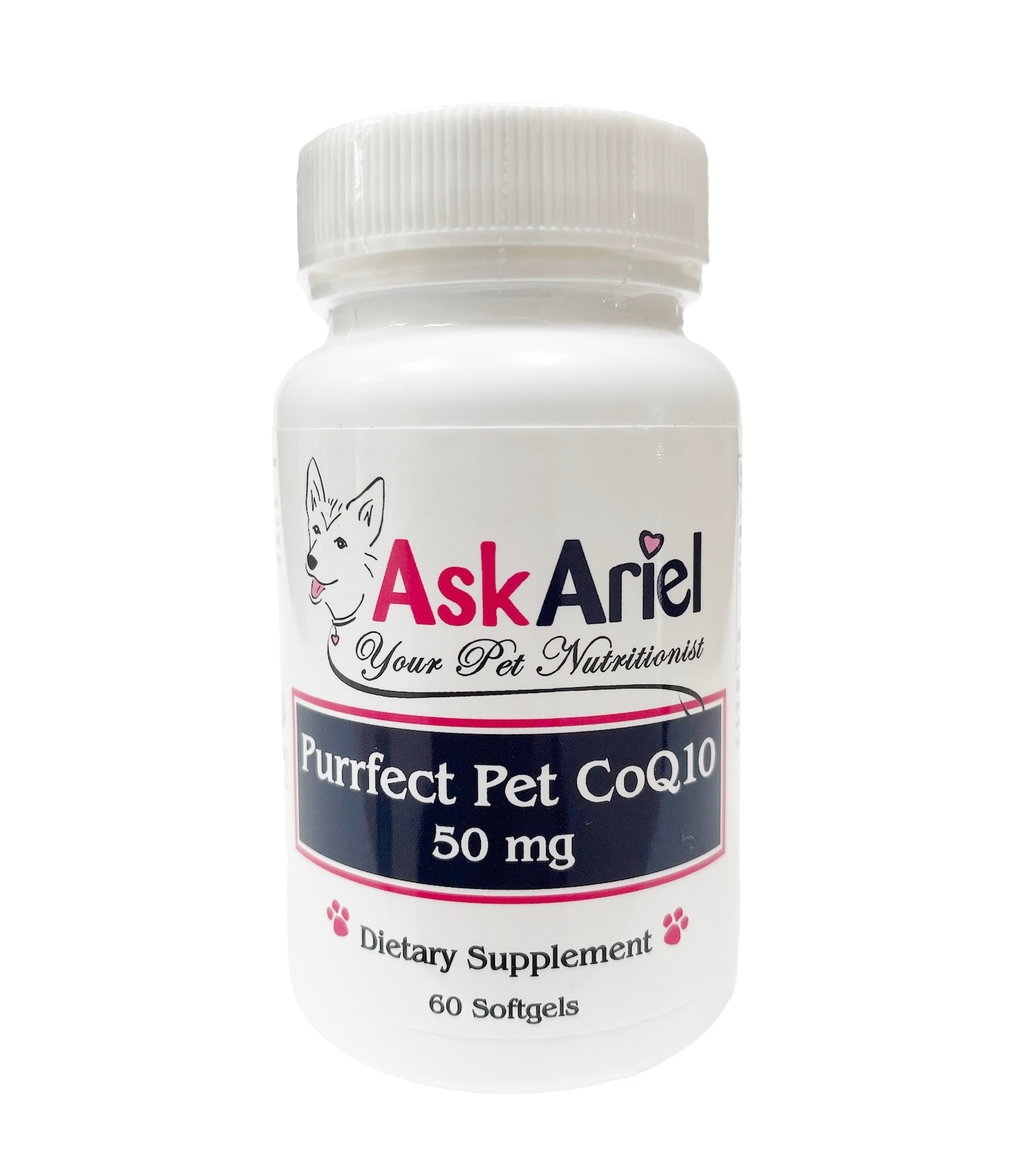
Purrfect Pet CoQ10
Coenzyme Q10 (CoQ10) is an essential compound involved in cellular energy production and acts as a potent antioxidant. In both dogs and cats, CoQ10 has shown promise in supporting overall eye health and may be beneficial in managing various eye conditions. Its antioxidant properties help protect ocular tissues from oxidative damage caused by free radicals, which can contribute to age-related degeneration and diseases such as cataracts, glaucoma, and uveitis. Additionally, CoQ10 plays a vital role cellular energy production, including those in the eyes. CoQ10 may help promote cellular repair and regeneration in ocular tissues, helping to manage eye conditions in dogs and cats.
Learn more about Purrfect Pet CoQ10
![PureOcean Wild Omegas]()
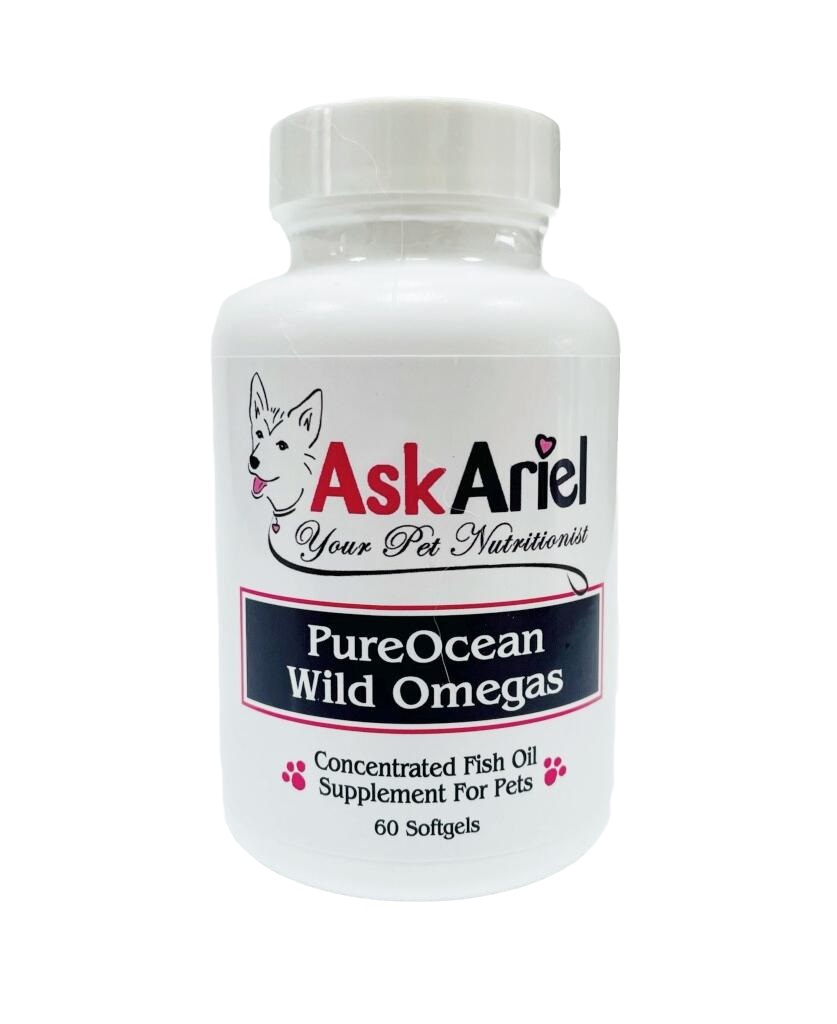
PureOcean Wild Omegas
Fish oil, rich in omega-3 fatty acids EPA and DHA, can help support eye health in dogs and cats. Omega-3 fatty acids play crucial roles in reducing inflammation and maintaining cellular membranes, which are vital for overall eye function. In pets, supplementation with fish oil has been associated with a decreased risk of developing certain ocular conditions such as dry eye syndrome, uveitis, and age-related macular degeneration. Omega-3 fatty acids can also contribute to the production of tears, helping to alleviate dryness and discomfort in pets suffering from dry eye. Fish oil's anti-inflammatory properties can help reduce inflammation associated with conditions like uveitis, potentially reducing ocular discomfort and preventing further damage to the eye.
Learn more about PureOcean Wild Omegas
![Power Probiotic]()
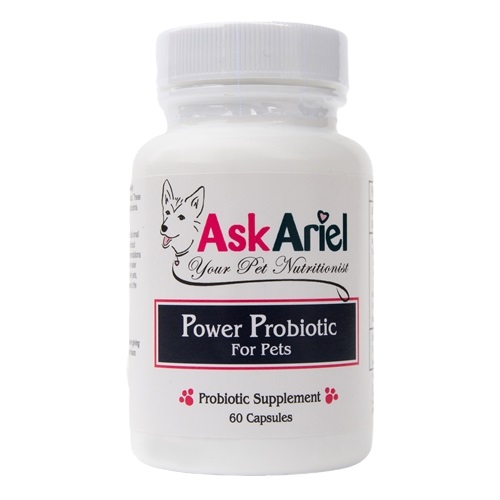
Power Probiotic For Dogs
Probiotics help to support eye health in dogs and cats. These beneficial bacteria play a crucial role in modulating the immune system and maintaining a healthy balance of gut flora, which has far-reaching effects on overall health, including ocular health. By promoting gut health and immune function, probiotics may reduce inflammation throughout body, including the eyes, which can be beneficial for pets with conditions such as uveitis or conjunctivitis. Probiotics also support the production of short-chain fatty acids in the gut, which have been linked to improved ocular health and reduced risk of certain eye conditions. It is very important to use probiotics if your pet has taken any antibiotics or steroids. Most pets love the taste of Power Probiotic.
Learn more about Power Probiotic For Dogs
![Susan Blake Davis, Pet Nutritionist]()
About The Author: Susan Blake Davis, MA, MBA, CCNSusan Blake Davis, CCN, is a Pet Nutritionist and founder of Ask Ariel, providing veterinarian recommended, human-grade supplements for dogs and cats for over 20 years. Susan developed these supplements after years of working in animal rescue, helping thousands of shelter pets regain their health through holistic nutrition and care.
From 2005 to 2015, she offered holistic pet nutrition consultations at VCA Hospitals and a veterinary oncology center, working alongside Dr. David Gordon, a respected integrative veterinarian in Southern California. Over the years, veterinarians nationwide have recommended Ask Ariel supplements after seeing firsthand the proven results in their patients.
A Phi Beta Kappa graduate of UC Davis with a Master’s from UCLA and certification as a Clinical Nutritionist, Susan’s expertise has been featured in Catster, Dogster, The Los Angeles Times, and the Orange County Register.