Need Help? [email protected]
Save $10 Off $99 ❤️ Click Here
Free Shipping For Product Orders Over $99!

Feline intestinal lymphoma is the most common form of lymphoma in cats. Finding out your kitty has intestinal lymphoma can be devastating, but there is hope! Lymphoma occurs when normal lymphocytes (white blood cells essential to the immune system) become cancerous. This type of lymphoma often develops after cats have inflammatory bowel disease (IBD) or irritable bowel syndrome. Most cats with feline intestinal lymphoma are seniors and have a history of vomiting, diarrhea and/or inflammation of the intestinal tract. Life expectancy varies depending upon the type and treatment. A holistic approach using supplements and diet changes can help extend the life expectancy and quality of life for your cat.
Lymphoma is a type of cancer that affects the lymphatic system, which plays a role in your cat's circulation and immune system. Lymphocytes, a type of white blood cell, carry oxygen, nutrients, and waste through the blood. When these cells become cancerous, the disease can spread throughout the body.
The most common form of lymphoma in cats occurs in the stomach and intestines, known as intestinal lymphoma. This accounts for about 70% of feline lymphoma cases. Intestinal lymphoma usually affects senior cats (9–13 years old) with a history of gastrointestinal issues like IBD, IBS, weight loss, vomiting, and diarrhea. Most cases are low grade or lymphocytic and share similar symptoms and treatments with severe inflammatory bowel disease.
Decreased or no appetite
Weight loss
Vomiting
Diarrhea
Increased water consumption and urination
Lumps on the side of the abdomen
Feline Inflammatory Bowel Disease (IBD) and intestinal lymphoma can appear very similar, making it challenging to distinguish between them. Both conditions affect the gastrointestinal (GI) tract and share symptoms such as vomiting, diarrhea, weight loss, and reduced appetite.
Cats with inflammatory bowel disease (IBD) are at greater risk of developing intestinal lymphoma. The chronic intestinal inflammation from IBD is considered a precancerous condition. Lesions and chronic inflammation may mutate and become cancerous in a large percentage of cats with IBD.
Here are some key differences that can help in identifying which condition your cat may be facing.
What Are IBD & Intestinal Lymphoma? Feline IBD is an inflammatory condition where the cat’s immune system mistakenly attacks its own GI tract, leading to chronic inflammation. IBD is usually triggered by a combination of factors, including diet, gut microbiome imbalance, and genetic predisposition. Unlike IBD, intestinal lymphoma is a type of cancer that originates in the lymphocytes (a type of white blood cell) within the GI tract. It is more severe, as the cancerous cells can spread throughout the body, turning it into a systemic issue rather than just localized inflammation.
Can IBD & Intestinal Lymphoma Be Managed? IBD usually develops slowly over time and can be managed with dietary changes and medication. Although IBD can significantly affect a cat’s quality of life, it is generally not life-threatening if managed properly. Intestinal lymphoma may present similarly to IBD but is much more aggressive. It requires intensive treatment, such as chemotherapy, along with dietary management and supplements.
How Are IBD & Intestinal Lymphoma Diagnosed? IBD is often diagnosed by dietary trials, blood tests, and imaging. A definitive diagnosis often requires a biopsy of the intestinal tissue. Diagnosing intestinal lymphoma may also require a biopsy, but it is more complicated because of similarities between IBD and lymphoma cells. Advanced imaging and blood tests can help differentiate between the two, but sometimes only a histopathological examination (microscopic analysis of the tissue) can confirm lymphoma.
Treatment for intestinal lymphoma is more complex, often involving a combination of chemotherapy and supportive care. Natural supplements and diet changes to reduce inflammation and manage symptoms can be helpful for cats with IBD and intestinal lymphoma.
Mediastinal Lymphoma: This type occurs within the chest cavity, causing respiratory difficulties like open-mouthed breathing and persistent coughing. As the condition progresses, fluid may build up in the chest, making it difficult for a cat to fully inflate its lungs.
Renal Lymphoma: Starting in the kidneys, the symptoms of renal lymphoma often resemble those of kidney failure. These signs may include decreased appetite, weight loss, increased urination and thirst, and vomiting. The cancer cells begin to replace healthy kidney cells, affecting the ability of the kidneys to filter toxins from the bloodstream.
Cats with the feline leukemia virus (FeLV) and feline immunodeficiency virus (FIV) are at a higher risk of developing lymphoma. Cats of any age, breed and sex can be affected. Kitties with FeLV tend to develop lymphoma at a younger age, but with increased rates of vaccination, the number of cases has significantly declined. Almost 80% of cats with mediastinal lymphoma and 50% of cats with renal lymphoma test positive for feline leukemia.
Cats with feline intestinal lymphoma require a diet that is low in carbohydrates and rich in high-quality animal proteins and fats to help manage their condition. High carbohydrate intake can fuel tumor growth and contribute to inflammation, making it essential to avoid commercial cat foods loaded with starchy fillers like legumes, rice, and wheat gluten. Most dry cat food is high in carbohydrates. Additionally, food allergies can weaken a cat's immune system, so it's important to limit or avoid common allergens such as grains and poultry, which can exacerbate inflammation.
A species-appropriate diet, similar to what cats would eat in the wild, is ideal for managing cancer. Raw frozen diets with novel protein sources, like rabbit or venison, are particularly beneficial because they provide real meat and organs without harmful fillers or common allergens. Including omega-3 fatty acids, such as those found in fish oil, is also important, as they can help reduce inflammation which is important when fighting cancer.
While cats can be especially finicky when they are not feeling well, feeding a low carbohydrate feline intestinal lymphoma diet can provide the best possible nutrition to support them through their cancer treatment. Please include your cat's diet and treats on the order form at checkout. Ask Ariel will include tips for the best diet for cats with cancer on the packing slip that comes with your product directions.
Natural remedies for feline intestinal lymphoma can support your cat's overall health by enhancing digestion, reducing inflammation, and boosting immune function. Since most of a cat's immune system resides in the intestinal tract, maintaining a healthy microbiome— the community of beneficial bacteria in the gut—is important. A balanced microbiome helps regulate immune responses and can affect inflammation, which is essential in managing intestinal lymphoma symptoms. Using digestive enzymes, probiotics, and CBD oil may help restore balance to the gut, promote nutrient absorption, and provide additional comfort during treatment. These supplements can be used in conjunction with conventional veterinary treatments prescribed by your veterinarian or veterinary oncologist.
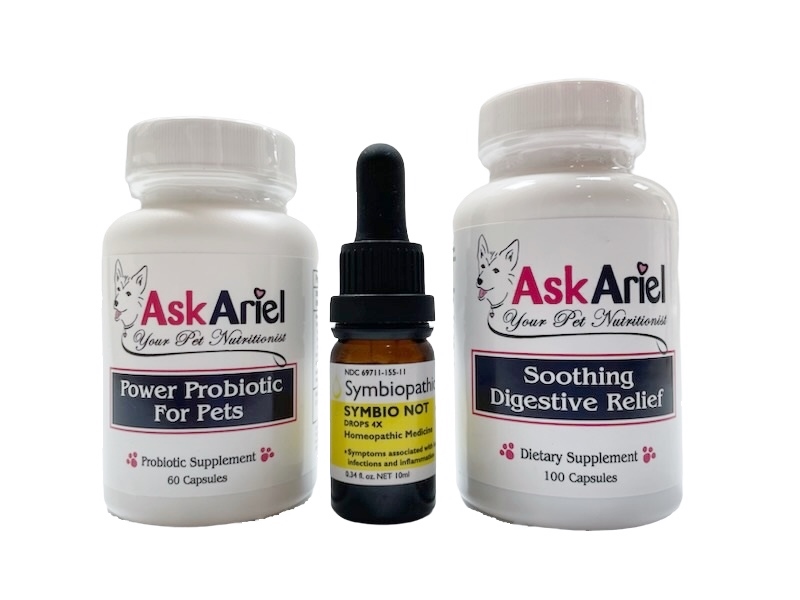
IBD Kit - The IBD Kit is essential for cats with intestinal lymphoma, as it helps improve digestive symptoms, reduces pain (hunching over, tummy noises) and enhances absorption of nutrients. The IBD Kit is easy to administer, and cats experience relief within a few days. No natural treatment for intestinal lymphoma in cats is complete without our IBD Kit.
Happy Paws Organic Hemp Extract - A few drops of this professional veterinary strength CBD oil can help reduce inflammation and support a healthy immune system. Controlling inflammation is a core part of cancer treatment, and that is the main characteristic of this feline intestinal lymphoma oil. The ingredients in Happy Paws are being researched for their beneficial effects on cancer. Anecdotal reports include reduced pain, inflammation and discomfort. Each 1oz bottle contains 550mg of full spectrum hemp extract in an unflavored all-natural coconut oil base. 100% organic. Made in the USA.
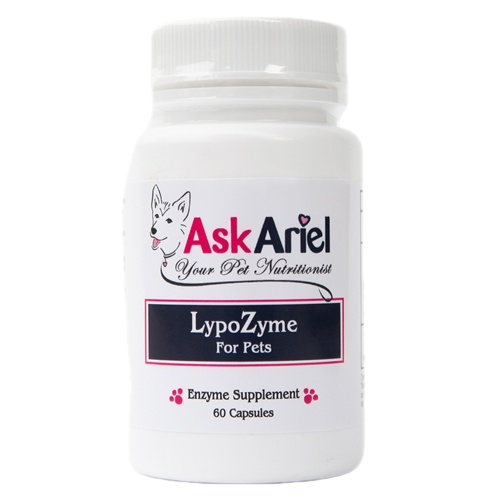
Lypozyme - LypoZyme is a gentle, easy-to-administer digestive enzyme supplement for cats that helps with the digestion of protein, fats and carbohydrates.
Immune Harmony - A unique, patented plant sterol formula, Immune Harmony is tolerated well by even the smallest pets. This product is helpful for all immune conditions and can be used in conjunction with chemotherapy and/or prednisone. Rather than overstimulating your pet's immune system, this wonderful product helps the body to rebalance immune function.
Susan Blake Davis, CCN, is a Pet Nutritionist and founder of Ask Ariel, providing veterinarian recommended, human-grade supplements for dogs and cats for over 20 years. Susan developed these supplements after years of working in animal rescue, helping thousands of shelter pets regain their health through holistic nutrition and care.
From 2005 to 2015, she offered holistic pet nutrition consultations at VCA Hospitals and a veterinary oncology center, working alongside Dr. David Gordon, a respected integrative veterinarian in Southern California. Over the years, veterinarians nationwide have recommended Ask Ariel supplements after seeing firsthand the proven results in their patients.
A Phi Beta Kappa graduate of UC Davis with a Master’s from UCLA and certification as a Clinical Nutritionist, Susan’s expertise has been featured in Catster, Dogster, The Los Angeles Times, and the Orange County Register.



.png)
