Does your cat have inflamed sores, blisters, or ulcers around the mouth? Is your cat avoiding food, losing weight, or showing signs of oral pain? These may be symptoms of feline rodent ulcers, a painful autoimmune condition that can cause discomfort and mouth sores.
Traditional veterinary treatment for feline rodent ulcers often includes steroids and antibiotics, which can provide short-term relief - but many cat owners seek holistic options to reduce flare-ups and avoid long-term side effects. The good news though is that holistic treatments can be used (diet changes and supplements) to help control symptoms, minimize flare-ups and change your cat's quality of life for the long term!
Feline rodent ulcers (also called eosinophilic granuloma, indolent ulcer, or feline eosinophilic granuloma complex) are non-contagious oral lesions (similar to cold sores) most commonly found on the upper lip. These ulcers are unique to cats and can appear at any age, though they are more common in females.
Your veterinarian can typically diagnose a rodent ulcer by its appearance and location. In some cases, a biopsy or cytology may be needed. You might first notice a yellow or pink shiny spot that deepens into a sore. Over time, the ulcer can become painful and disfiguring, making it difficult for your cat to eat and leading to odor or behavioral changes.
The conventional veterinary treatment for indolent ulcers almost always involves the use of steroids to calm the inflammation and antibiotics to clear up any secondary bacterial infection. While this may provide short-term relief, these medications can weaken your cat's immune system and cause side effects. Genetics, allergies, and autoimmune disease are common reasons why cats may develop this condition and have it long-term. Thus the goal is to introduce holistic veterinary treatments to help support your cat's immune system and minimize the frequency of flare-ups.
When your cat has an autoimmune condition such as feline rodent ulcers, your kitty's immune system is so overloaded that the cat's body forms antibodies to its own tissues and attacks itself. The onset of the attacks is associated with triggers such as food allergies, exposure to chemicals, vaccines and stress. Autoimmune conditions cannot be cured but they can be controlled. Holistic veterinary treatments, in conjunction with conventional treatments, can minimize flare-ups and reduce the need for medications.
The following supplements have been helpful for cats with feline rodent ulcers, viruses and other autoimmune conditions. These supplements have been used successfully in veterinary hospitals since 2005:
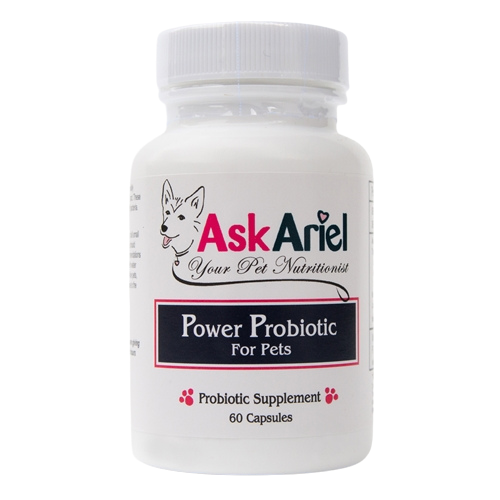
Power Probiotic – Essential for all cats, especially if your cat has been on antibiotics that kill off the friendly bacteria. Power Probiotic is the best probiotic for cats as it is pure and natural. Many cats love the taste and will eat the plain powder--please click on the link to see the video. Power Probiotic promotes the growth of friendly bacteria which ensure a healthy intestinal ecosystem and enhances overall immunity.
Immune Support Kit – The Immune Support Kit is an effective treatment for cats with with viruses, infections, and weakened immune systems.
Easy to use drops (with minimal smell and taste – no alcohol)
Fight infections to reduce mouth sores
Gentle, natural remedies that can safely be used on an ongoing basis
Acts as an immune booster for cats
Contains three tasteless, natural remedies that provide relief by calming infection and inflammation
"This is Pumpkin, who has been using your supplements (Immune Harmony, Power Probiotic, QUENT Drops, NOT Drops, and Silver Support), for about 8 months or more. He has Stomatitis, rodent ulcers, and many autoimmune issues. He has not had ANY flare ups since using the products, switching his food, and taking him off steroids which the Vet kept him on. Again, I thank you more than anything... He is my angel, and you have given me the chance at giving him the healthy life he deserves. Thank you."
Many cats with rodent ulcers benefit from a hypoallergenic, anti-inflammatory diet. Processed foods and dry kibble can irritate the mouth and may contain common allergens like poultry (chicken, turkey, duck) or grains. Cats thrive on a low-carb, high-protein diet, so switching to a novel protein may help reduce symptoms.
Feeding wet or raw freeze-dried food can also make eating more comfortable for cats with oral pain. Please include your cat's current diet and treats on the order form and we will include some diet tips on the packing slip included with your order.
Susan Blake Davis, CCN, is a Pet Nutritionist and founder of Ask Ariel, providing veterinarian recommended, human-grade supplements for dogs and cats for over 20 years. Susan developed these supplements after years of working in animal rescue, helping thousands of shelter pets regain their health through holistic nutrition and care.
From 2005 to 2015, she offered holistic pet nutrition consultations at VCA Hospitals and a veterinary oncology center, working alongside Dr. David Gordon, a respected integrative veterinarian in Southern California. Over the years, veterinarians nationwide have recommended Ask Ariel supplements after seeing firsthand the proven results in their patients.
A Phi Beta Kappa graduate of UC Davis with a Master’s from UCLA and certification as a Clinical Nutritionist, Susan’s expertise has been featured in Catster, Dogster, The Los Angeles Times, and the Orange County Register.