A slipped disc or herniated disc, medically known as intervertebral disc disease (IVDD), can be painful for dogs. With increased age, dogs become more susceptible to developing various canine disc diseases, including IVDD. While dog breeds with longer backs and shorter legs are more predisposed to IVDD, any dog can suffer from canine disc diseases. Non surgical management of IVDD in dogs, including physical therapy and natural supplements like resveratrol, green-lipped mussels, and hemp extract, can provide relief and support spinal health for dogs with IVDD.
Intervertebral disc disease (IVDD) is a degenerative condition affecting the spinal column in dogs that causes compression of the spinal cord or nerves. It occurs when the cushioning discs between the vertebrae deteriorate, leading to herniated discs or slipped discs. This can cause pain, stiffness, muscle spasms, and potentially paralysis, depending on the location and severity of the disc herniation.
Certain breeds are more predisposed to IVDD due to their anatomical characteristics. Breeds with longer backs and shorter legs, such as Dachshunds, Beagles, Welsh Corgis, Shih Tzus, Lhasa Apsos, and Pekingese, are at a higher risk. IVDD tends to occur more frequently in smaller breeds, with degeneration often starting at a young age. However, larger breeds can also develop IVDD, typically later in life, usually after the age of five.
There are two different types of intervertebral disc disease (IVDD) in dogs: Type I and Type II. Each type entails distinct mechanisms of disc degeneration and clinical symptoms.
Type I IVDD: In Type I IVDD, the gel-like center of the intervertebral disc extrudes or herniates through the outer fibrous layer and compresses the spinal cord or nerves. This type is more common in breeds with longer backs and shorter legs, such as Dachshunds, and typically affects younger dogs. The extruded material may harden over time, losing its cushioning effect and causing pain and neurological symptoms.
Type II IVDD: Type II IVDD involves degeneration of the outer fibrous layer of the intervertebral disc, leading to bulging or protrusion of the disc into the spinal canal. This type is more common in larger breeds and tends to occur later in life. The bulging disc can compress the spinal cord or nerves, resulting in pain, weakness, and neurological deficits.
The symptoms of intervertebral disc disease (IVDD) in dogs can vary depending on the severity and location of the disc herniation or degeneration. Common signs of IVDD may include:
Back pain or stiffness, especially when touched or moved
Reluctance to jump, climb stairs, or engage in physical activity
Difficulty standing or walking, particularly in the hind limbs
Lameness or dragging of one or more legs
Hunched posture or arching of the back
Muscle spasms or tremors along the spine
Loss of coordination or balance
Incontinence or difficulty controlling bowel or bladder movements
Yelping or vocalization when touched, lifted, or moved abruptly
Not all dogs with IVDD will exhibit the same symptoms and some may experience a combination of these signs. The severity of symptoms can vary from mild discomfort to complete paralysis, depending on the extent of spinal cord compression.
While people often use the terms bulging, herniated, and slipped discs interchangeably, these terms describe slightly different problems with the discs in the spine.
Bulging Disc: This happens when the outer layer of the disc weakens, causing the disc to bulge out. It can press on nearby nerves and cause pain. The inner part of the disc remains intact.
Herniated Disc: This occurs when the inner part of the disc leaks out through a tear in the outer layer. This can put pressure on nearby nerves and cause pain, numbness or weakness. Herniated discs are often more symptomatic than bulging discs due to the potential for nerve compression.
Slipped Disc: This term is often used to describe both bulging and herniated discs. It's like saying the disc has moved out of place, even though it doesn't actually slip out.
Alternative therapies such as physical therapy, acupuncture, chiropractic care, and dietary supplements can complement conventional treatments from your veterinarian. Lifestyle changes such as maintaining a healthy weight and limiting strenuous activities, can also help slow the progression of IVDD and support overall well-being. Here are some ways to help manage IVDD symptoms in dogs:
Physical Therapy: Physical therapy for dogs with IVDD can help improve mobility, strengthen muscles, and reduce pain. Therapeutic exercises including controlled movements, resistance training, and balance exercises can help support the spine and improve stability. Targeted stretching routines are designed to gently elongate muscles, improve tissue flexibility, and enhance range of motion in affected areas of the spine and limbs. These stretching exercises can help alleviate stiffness, reduce discomfort, and support long-term spinal health. Hydrotherapy activities like swimming or underwater treadmill can offer a low-impact form of exercise that can be particularly beneficial for dogs with IVDD. The buoyancy of water reduces weight-bearing on the joints and spine, allowing dogs to engage in physical activity with minimal strain.
Acupuncture: A form of traditional Chinese medicine, acupuncture can help manage the pain and inflammation associated with IVDD in dogs. By stimulating specific points on the body with fine needles, acupuncture can help restore balance, alleviate discomfort, and promote healing.
Chiropractic: Chiropractic adjustments for dogs with IVDD can help to relieve pressure on the affected discs and surrounding spinal structures. Misalignments in the spine can place additional stress on compromised discs and exacerbate IVDD symptoms. Gentle adjustments can help alleviate this pressure and reduce inflammation.
Lifestyle Changes: Preventive measures can help minimize the progression of IVDD and reduce the risk of flare-ups. Maintaining a healthy weight through proper nutrition and regular exercise can alleviate strain on the spine and joints. Avoiding strenuous activities and using a harness during walks to minimize strain on the neck can help support your dog's spinal health.
Natural supplements for dogs with Intervertebral Disc Disease (IVDD) can help alleviate pain, reduce inflammation, and support overall spinal health. From natural anti-inflammatories like turmeric and omega-3 fatty acids to compounds like resveratrol known for their neuroprotective properties, these supplements offer a holistic approach to managing IVDD symptoms and promoting mobility and comfort for affected dogs.
Resveratrol for Pets - Resveratrol is a dog IVDD supplement known for its potent antioxidant and anti-inflammatory properties. In dogs with IVDD, oxidative stress and inflammation can contribute to tissue damage and pain. A recent research study has shown that Resveratrol can help balance and maintain intervertebral disc cartilage, which may help to slow the progression of IVDD. Resveratrol also has neuroprotective properties, which could be beneficial for dogs with spinal cord injuries or degenerative disc diseases. Ask Ariel's Resveratrol For Pets is sourced from Japanese knotweed and contains high concentrations of trans-resveratrol, the active form of the compound most useful to the body. Contains quercetin for enhanced absorption.
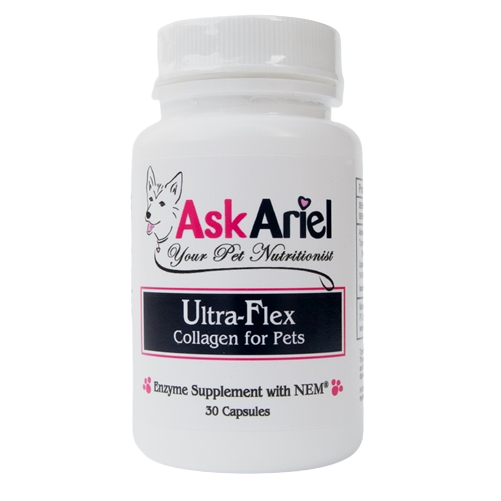
Ultra-Flex Collagen for Pets - Collagen is a structural protein found in connective tissues, including those within the spinal discs. Supplementing with collagen may help support the integrity and resilience of spinal discs. By providing essential building blocks for tissue repair and regeneration, collagen supplements can help maintain healthy spinal function, reduce the risk of disc degeneration, and support the body's natural healing processes. Ask Ariel's Ultra-Flex Collagen is made with NEM® brand eggshell membrane, a food source of glucosamine and chondroitin. It contains key bioactive proteins such as collagen, which have been shown to support joint comfort and flexibility. The collagen is especially helpful for IVDD dogs, because it strengthens and repairs.
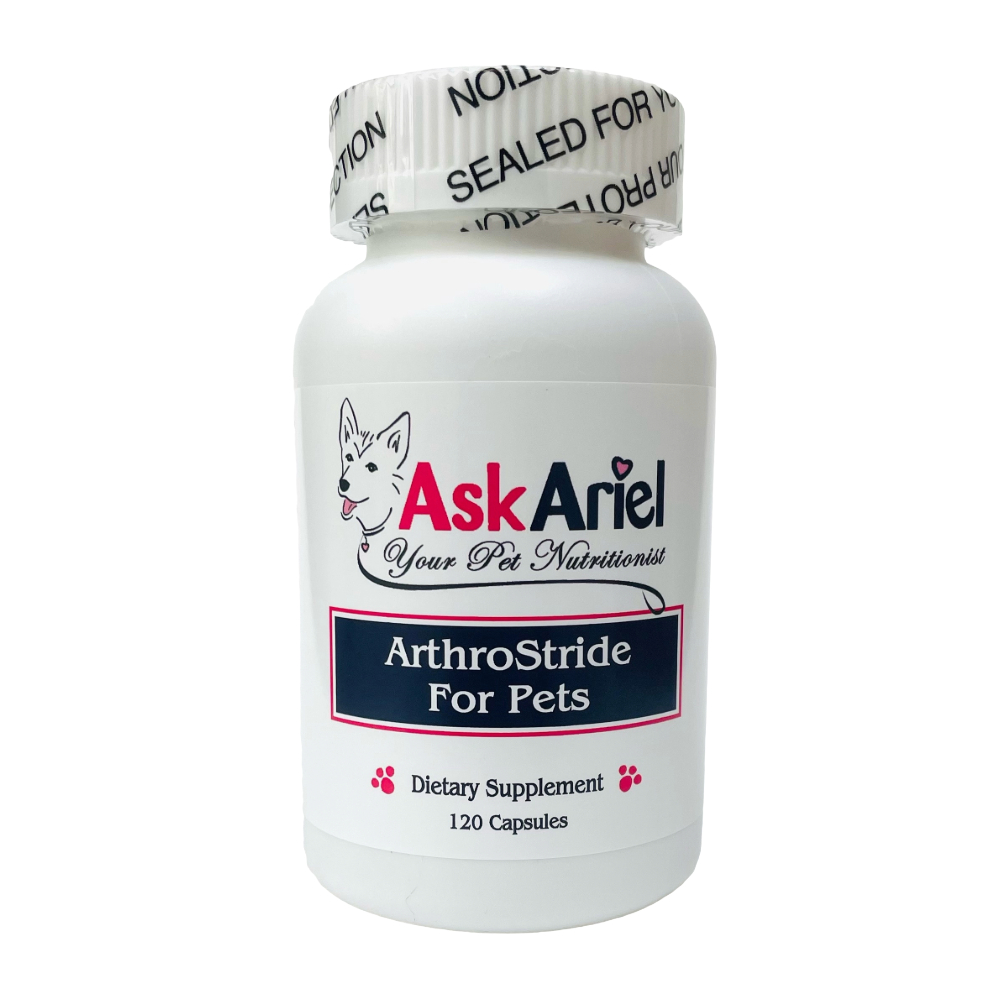
ArthroStride For Dogs - Omega-3 fatty acids, particularly those derived from green-lipped mussels, contain EPA (eicosapentaenoic acid) and DHA (docosahexaenoic acid). These fatty acids possess anti-inflammatory properties that can help modulate the inflammatory response in the body. By reducing inflammation, omega-3 fatty acids may help alleviate the pain and stiffness associated with IVDD in dogs. ArthroStride is the most comprehensive supplement for dog back problems. It contains green-lipped mussels plus other scientifically-proven ingredients like MSM, glucosamine, collagen, resveratrol, hyaluronic acid, and curcumin. Helps to reduce inflammation, support cartilage integrity, and provide antioxidant protection against oxidative stress in the spine and joints.
CurcuMagic For Pets - Curcumin has potent anti-inflammatory and antioxidant properties. In dogs with IVDD, inflammation plays a significant role in exacerbating pain and spinal dysfunction. Curcumin works by inhibiting inflammatory pathways in the body, to reduce inflammation and alleviate discomfort associated with IVDD. Curcumin's antioxidant effects can help protect cells from oxidative damage, promoting overall spinal health and slowing down the degenerative processes of IVDD. CurcuMagic For Pets is made with BCM-95® which synergistically combines curcumin with the essential oils in turmeric through a patented process to increase how efficiently your dog can absorb the curcumin. Curcumin helps alleviate pain, reduces swelling around affected discs, and supports overall spine and joint health.
Susan Blake Davis, CCN, is a Pet Nutritionist and founder of Ask Ariel, providing veterinarian recommended, human-grade supplements for dogs and cats for over 20 years. Susan developed these supplements after years of working in animal rescue, helping thousands of shelter pets regain their health through holistic nutrition and care.
From 2005 to 2015, she offered holistic pet nutrition consultations at VCA Hospitals and a veterinary oncology center, working alongside Dr. David Gordon, a respected integrative veterinarian in Southern California. Over the years, veterinarians nationwide have recommended Ask Ariel supplements after seeing firsthand the proven results in their patients.
A Phi Beta Kappa graduate of UC Davis with a Master’s from UCLA and certification as a Clinical Nutritionist, Susan’s expertise has been featured in Catster, Dogster, The Los Angeles Times, and the Orange County Register.


.png)