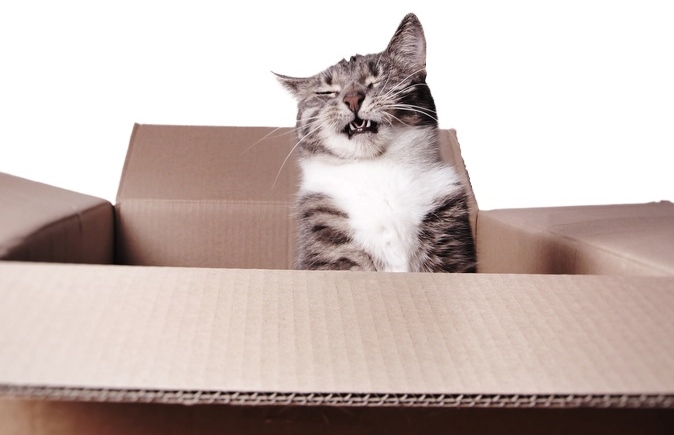
Cat sneezing can be more than a little 'achoo'—it's often caused by underlying viral infections like Feline Herpesvirus (FHV-1) or Calicivirus, as well as allergies, environmental irritants, or even bacterial infections. It can be heartbreaking to see our cats dealing with constant sneezing, runny noses, or even green or yellow discharge, leading many cat owners to wonder "What can I give my cat for sneezing?"
If your cat is sneezing or having nasal discharge, natural remedies can offer gentle but effective relief. Our veterinary-approved solutions, trusted by cat owners since 2005, combine ingredients like olive leaf extract, probiotics, and homeopathic formulas to support your cat’s immune and respiratory health. By addressing the root causes and easing symptoms, these natural remedies can help your kitty breathe easier and feel more comfortable at home.
An occasional sneeze is normal, but if your cat is sneezing a lot, then please contact your veterinarian. Frequent sneezing is typically a sign of infection, whether it be viral, fungal or bacterial. If any of the following clinical signs are also present, a veterinarian visit may be necessary:
Runny or squinting eyes
Runny nose or nasal discharge
Pawing at the face
Difficulty chewing food
Drooling
Bloody discharge from the nose
Noisy breathing or difficulty breathing
Dehydration
If your cat is sneezing blood, please have your kitty evaluated by a veterinarian. A cat sneezing blood, also known as epistaxis or a nosebleed, has several potential causes. These can include:
Infections: Certain viral or bacterial infections, such as feline herpesvirus (FHV) or fungal infections, can cause inflammation and damage to the nasal tissues. This can lead to irritation and bleeding.
Clotting Abnormalities or Blood Disorders: There are several blood disorders or clotting abnormalities that can potentially lead to blood in a cat's nasal discharge. These conditions can disrupt the normal clotting process and result in bleeding. One of the most common clotting disorders is due to contact with poisoned rodents or ingestion of rat poison. Cats with hemophilia, a rare genetic disorder where the blood lacks clotting factors, or thrombocytopenia, decreased platelet count in the blood, may be more likely to spontaneously bleed from their noses. Liver failure in cats can also cause problems with blood clotting.
Foreign Objects: If a cat inhales or sniffs a foreign object, it can cause irritation to the nasal passages. This can lead to bleeding and sneezing of blood.
Nasal Polyps or Tumors: Abnormal growths in the nasal passages can cause bleeding when they become irritated or damaged. Nasal tumors, such as nasal adenocarcinoma, squamous cell carcinoma, or fibrosarcoma, can develop in the nasal passages of cats. These tumors can invade and damage blood vessels, leading to bleeding from the nose.
Facial Trauma: An injury to the nose or head can result in bleeding and sneezing of blood. This could occur due to accidents, fights, falls, or other physical trauma.
High Blood Pressure: High blood pressure, or hypertension, can weaken blood vessels and cause them to rupture. This can cause bleeding from the nose. Hypertension in cats may also be associated with conditions, such as kidney disease, hyperthyroidism, or heart disease.
Allergies: Chronic allergies can cause long-term inflammation and irritation in a cat's nose. The nasal passages may become dry or bloody.
Some causes of a cat sneezing blood can be painful or uncomfortable for your kitty. Here are some supportive measures you can take to help keep your cat comfortable:
Maintain A Calm Environment: Create a stress-free environment for your cat. Minimize loud noises and sudden movements that could worsen the bleeding or cause distress.
Hydration: Ensure your cat has access to fresh water at all times to stay well hydrated. Proper hydration can help keep their nasal passages moist and facilitate healing.
Humidify The Air: Use a humidifier in the room where your cat spends most of their time. Moist air can help soothe irritated nasal passages and reduce bleeding.
Proper Nutrition: Feed a grain-free, hypoallergenic, low-carbohydrate diet to support your cat's immune system.
Natural Supplements: Using an easy-to-administer probiotic along with immune supplements can provide powerful immune-boosting support for your cat.
Cats don't have to be on antibiotics all the time. A few home remedies for cat sneezing combined with feeding a hypoallergenic, low-carbohydrate diet can be life-changing for your kitty.
Immune Support Kit – Sneezing in cats can become a chronic condition that can result in inflammation of the nasal passages and lungs. Coughing, wheezing and shortness of breath can result. The Respiratory & Immune Support Kit reduces inflammation and helps to clear up the sinuses and nasal tract and improve breathing. An easy cat sneezing treatment at home.
Contains three natural remedies that provide relief by calming infection and inflammation
Gentle, natural remedies that can safely be used on an ongoing basis
Easy to use drops (with minimal smell and taste - no alcohol)
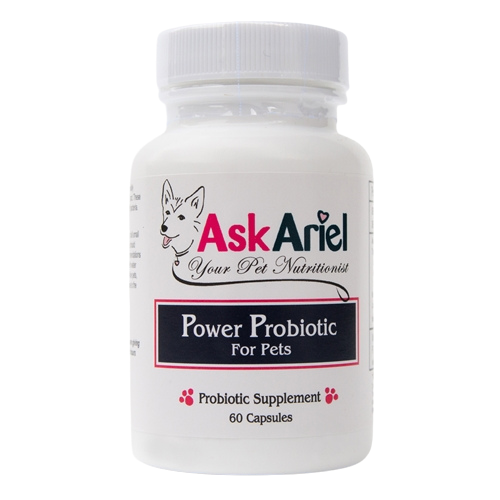
Power Probiotic – Probiotics can aid in reducing cat sneezing by supporting immune function and balancing the gut microbiome. By promoting a healthy immune response, probiotics help strengthen the body's defenses against respiratory infections that may cause sneezing. Additionally, probiotics can help alleviate allergies and inflammation, which are common triggers for sneezing in cats. By restoring balance to the gut microbiota, probiotics may reduce the frequency and severity of sneezing episodes in cats. If your cat has taken antibiotics or steroid medications, probiotics are an essential cat sneezing home remedy.
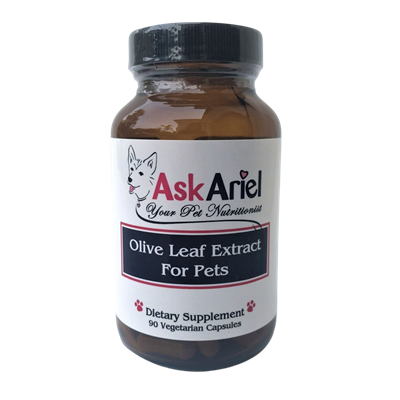
Olive Leaf For Cats – Olive leaf extract contains antiviral, antibacterial, and anti-inflammatory properties, which may help alleviate symptoms associated with respiratory infections, such as sneezing in cats. It is a powerful home remedy for sneezing cats. Olive leaf extract supports the immune system and combats viral and bacterial pathogens that contribute to respiratory issues. Additionally, its anti-inflammatory effects may help reduce nasal congestion and irritation, providing relief from sneezing.
Susan Blake Davis, CCN, is a Pet Nutritionist and founder of Ask Ariel, providing veterinarian recommended, human-grade supplements for dogs and cats for over 20 years. Susan developed these supplements after years of working in animal rescue, helping thousands of shelter pets regain their health through holistic nutrition and care.
From 2005 to 2015, she offered holistic pet nutrition consultations at VCA Hospitals and a veterinary oncology center, working alongside Dr. David Gordon, a respected integrative veterinarian in Southern California. Over the years, veterinarians nationwide have recommended Ask Ariel supplements after seeing firsthand the proven results in their patients.
A Phi Beta Kappa graduate of UC Davis with a Master’s from UCLA and certification as a Clinical Nutritionist, Susan’s expertise has been featured in Catster, Dogster, The Los Angeles Times, and the Orange County Register.