Dog Skin Cancer:
Natural Supplements & Prevention Tips
Just like humans, dogs are susceptible to the harmful effects of UV radiation from the sun. Overexposure to the sun's rays can damage the DNA in skin cells, leading to mutations that can result in cancerous growths. The most common cause of skin cancer in dogs is exposure to the sun, particularly in areas with less fur, such as the ears, nose, paw pads, and belly. A cancer diagnosis can be overwhelming — but you’re not alone. The Dog Cancer Support Kit includes three veterinary-recommended, scientifically-formulated supplements designed to provide comprehensive support for dogs with cancer. These products work together to help your dog feel stronger, more comfortable, and better supported during this challenging time.
Includes 3 powerful immune & antioxidant support supplements for dogs with cancer:
Excellent Value! The Dog Cancer Support Kit price is 30% less than purchasing the products separately.
Is Your Dog at Risk of Skin Cancer?
While any dog can develop skin cancer, certain breeds may be genetically predisposed due to their skin pigmentation and coat density. Here are some factors that increase the risk:![white husky with pale pigment at risk of skin cancer]()
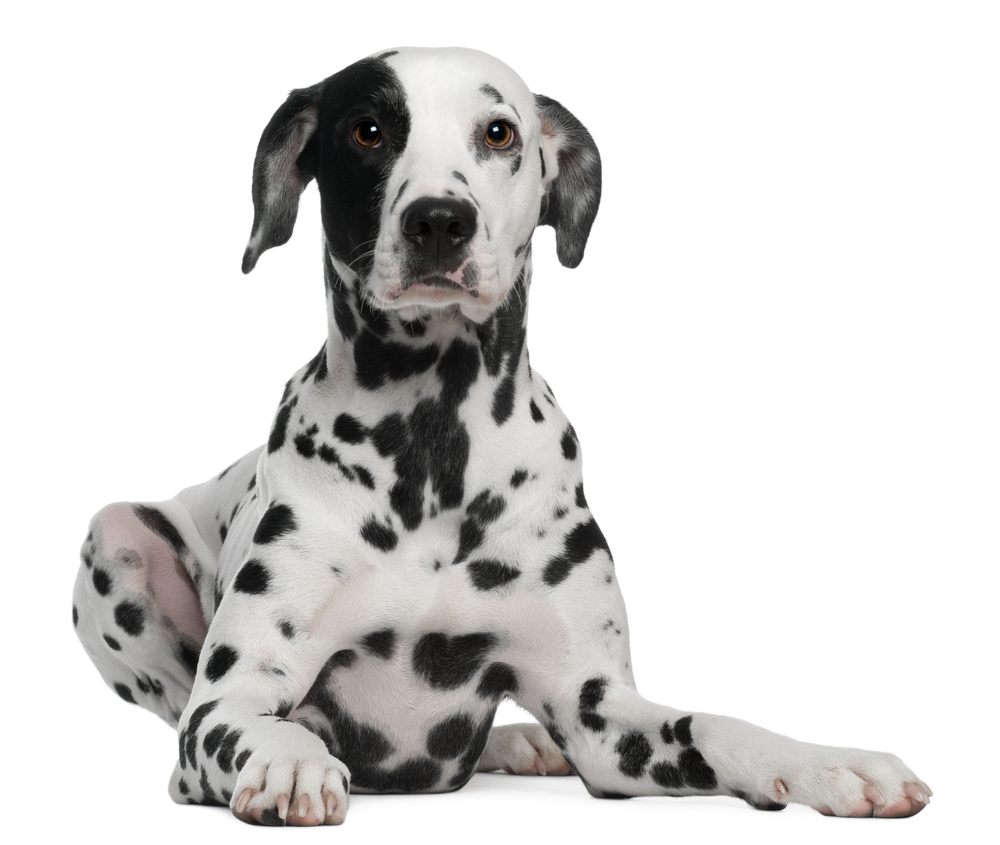
Light-Colored & White Breeds - Breeds like Dalmatians, Bull Terriers, and West Highland White Terriers have less protection against the sun's UV rays due to their lighter pigmentation, making them more susceptible to sun-induced skin damage.
Hairless Breeds - Dogs like the Chinese Crested, Mexican Hairless (Xoloitzcuintli), and American Hairless Terrier have minimal hair coverage, leaving their skin more exposed to UV radiation.
Thin-Coated Breeds - Boxers, Doberman Pinschers, and Weimaraners have decreased natural protection due to their short coats, increasing their risk of sunburn and skin damage.
Dogs with Pink or Lightly Pigmented Skin - Breeds such as the Bull Terrier and Chinese Shar-Pei, with lighter skin, are more prone to sunburn and subsequent skin cancer.
Breeds with Exposed Skin Areas - Whippets, Greyhounds, and American Bulldogs have thin fur on their bellies or noses, leaving these areas more vulnerable to sun damage.
Signs of Skin Cancer in Dogs
Early detection of skin cancer in dogs can significantly improve the chances of successful treatment. Since dogs have fur that can conceal growths and changes, it’s important to regularly check your dog’s skin. If you notice any changes, such as new lumps, bumps, sores that don't heal, or textural and color changes, consult your veterinarian immediately. Here are some key signs of skin cancer to watch for:Lumps & Bumps - Cancerous lumps can vary in appearance and texture. Some may feel firm and fixed under the skin, while others can be softer or more irregular in shape. While not all lumps are cancerous, persistent or growing masses should be evaluated by a veterinarian.
Non-Healing Sores and Ulcers - Sores or wounds that do not heal within a reasonable timeframe can indicate an underlying problem, including skin cancer. These sores may bleed, ooze, or scab over, only to reopen again. Pay special attention to these symptoms, especially in areas exposed to the sun.
Changes In Existing Growths - If your dog already has moles, warts, or other skin growths, monitor them for changes in size, shape, color, or texture. Rapid growth, darkening in color, or irregular borders are potential signs of malignant transformation.
Skin Discoloration - Look for patches of skin that appear discolored, either darker (hyperpigmented) or lighter than your dog's normal skin tone. This discoloration can appear as darkly pigmented spots (potentially indicating melanoma) or reddened, inflamed areas.
![dalmatian at risk of skin cancer]() Itching, Redness, or Swelling - Cancerous growths can sometimes cause discomfort. If your dog is frequently scratching, licking, or biting at a specific area, inspect it closely. Redness, swelling, and irritation can accompany skin cancers, particularly if they are ulcerated or infected.
Itching, Redness, or Swelling - Cancerous growths can sometimes cause discomfort. If your dog is frequently scratching, licking, or biting at a specific area, inspect it closely. Redness, swelling, and irritation can accompany skin cancers, particularly if they are ulcerated or infected.
Raised, Crusty, or Wart-Like Lesions - Squamous cell carcinoma often presents as raised, crusty lesions that may bleed or ulcerate. These can appear wart-like and are often found on sun-exposed areas like the ears, nose, and belly.
Thickened or Hardened Skin - Certain types of skin cancer, like mast cell tumors, can cause localized areas of skin to become thickened or hardened. These areas might feel different when you run your hand over your dog's body.
Hair Loss Around Growths - Hair loss in conjunction with skin abnormalities, such as lumps, bumps, or sores, can be a sign of an underlying issue, including skin cancer.
Unusual Odor - Some skin cancers, especially those that become ulcerated or infected, can emit an unpleasant odor. This is often due to secondary infections within the cancerous tissue.
If you notice any of these signs, it's important to have your dog examined by a veterinarian promptly. Early diagnosis and treatment can improve the prognosis for dogs with skin cancer. A vet may perform a physical examination, biopsy, or other diagnostic tests to determine if the growth is cancerous and recommend the appropriate course of treatment.Types of Skin Cancer in Dogs
Skin cancer in dogs can appear in various forms:Squamous Cell Carcinoma - This type of cancer typically affects the skin on areas exposed to the sun, such as the ears, nose, and belly. It often appears as raised, crusty lesions that may bleed or ulcerate.
Melanoma - Melanoma in dogs can occur in pigmented areas of the skin or mucous membranes, such as the mouth or eyes. It can appear as darkly pigmented masses or irregularly shaped growths.
Mast Cell Tumors - Mast cell tumors can develop in the skin or internal organs and vary widely in appearance. They may present as raised lumps, ulcerated sores, or areas of thickened skin. Preventing Skin Cancer in Dogs
Prevention is key to protecting your dog from skin cancer. Here are some effective strategies to reduce the risk:![frenchie with sunscreen]()
Limit Sun Exposure - Avoid letting your dog stay in direct sunlight, especially during peak UV radiation hours (10 a.m. to 4 p.m.).
Provide Ample Shade - Ensure outdoor areas where your dog spends time have plenty of shade.
Use Dog-Safe Sunscreen - Apply sunscreen specifically designed for dogs on sensitive areas like the ears, nose, and belly.
Consider Protective Clothing - UV-blocking shirts or hats can provide additional protection for dogs with light-colored fur or skin.
Treatment of Skin Cancer in Dogs
If your dog is diagnosed with skin cancer, the treatment will depend on the type and stage of cancer. Common treatment options include:Surgical Removal - Often the first line of treatment, especially if the tumor is localized.
Radiation Therapy - Used when surgical removal isn't possible or to target remaining cancer cells after surgery.
Chemotherapy - May be recommended in cases of aggressive or metastatic cancers.
Natural Supplements for Dogs with Skin Cancer
![OncoPet Cancer Vitamin]()
OncoPet Cancer Vitamin - Formulated to support the immune system and overall health of dogs undergoing cancer treatment. Its key ingredients, including green tea extract and medicinal mushrooms, have known anti-cancer properties. Green Tea Extract is rich in antioxidants and contains polyphenols that may inhibit cancer cell growth and reduce oxidative stress. These compounds can help protect healthy cells from the damage caused by free radicals. Medicinal Mushrooms like Reishi, Shiitake, and Maitake contain beta-glucans, which are known for their immune-boosting properties. These compounds can stimulate the immune system to recognize and combat cancer cells more effectively.
![Amazing Omegas]()
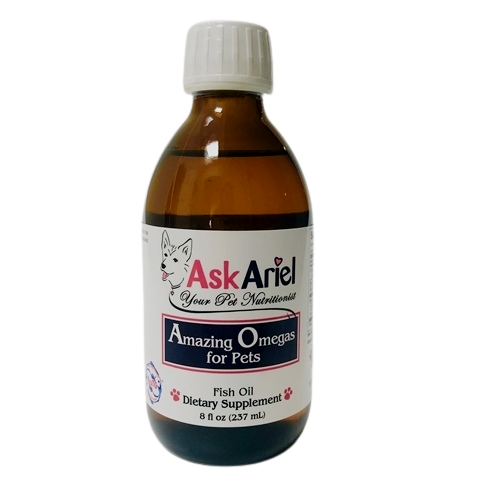
Amazing Omegas - Omega-3 fatty acids, commonly found in fish oil, have anti-inflammatory properties that may help reduce cancer-related inflammation and support skin health. They can also promote a healthier coat and improve your dog’s overall well-being during cancer treatment. Amazing Omegas is a highly purified fish oil made from sardines, anchovies and mackerel, processed with minimal heat to preserve the oil in its natural state. It's naturally processed and highly bioavailable, with all toxins and heavy metals carefully removed. Compare the nutrient panel of this premium pet fish oil to all other brands and see the difference.
![CurcuMagic For Pets]()
CurcuMagic For Pets - This is a scientifically proven natural anti-inflammatory supplement for dogs with cancer. It contains a patented combination of three curcuminoids that act as free-radical scavengers. These cancer-fighting nutrients in this unique bioactive turmeric formula help pets prevent and fight cancer. Curcumin inhibits tumor growth and may help to reduce the side effects of chemotherapy. CurcuMagic absorbs best when digested with fat, especially omega-3 fatty acids (Amazing Omegas), which is why our clients use the two pet cancer supplements together. If your pet is undergoing radiation, curcumin can help protect the skin.
![Happy Paws Organic Hemp Extract For Dogs]()
Happy Paws Organic Hemp Extract For Dogs - A few drops of this professional veterinary strength oil can help reduce inflammation and support a healthy immune system. Hemp extract contains compounds like cannabidiol (CBD) that have support the immune system and reduce inflammation. CBD may also have anti-tumor effects, potentially slowing the growth of cancer cells and helping to alleviate discomfort or anxiety in dogs with cancer. Happy Paws contains simple ingredients: organic hemp extract and coconut oil. It’s rigorously tested for potency and purity. Each 1oz bottle contains 550mg of full spectrum hemp extract in an unflavored all-natural coconut oil base. 100% organic. Made in the USA.
![Immune Harmony]()
Immune Harmony - A premium-quality, patented blend of plant sterols and antioxidants. Plant sterols, also known as phytosterols, have immune-modulating properties that can help support a balanced immune response. They may reduce inflammation and improve overall immune function, potentially aiding the body in fighting off cancerous cells. The antioxidants protect the body from free-radical damage and an essential fatty acid complex assists in the bioavailability of these health-promoting nutrients. Excellent value: One bottle lasts between two and four months depending upon the weight of your pet.
About The Author: Susan Blake Davis, MA, MBA, CCN
Susan Blake Davis, CCN, is a Pet Nutritionist and founder of Ask Ariel, providing veterinarian recommended, human-grade supplements for dogs and cats for over 20 years. Susan developed these supplements after years of working in animal rescue, helping thousands of shelter pets regain their health through holistic nutrition and care.
From 2005 to 2015, she offered holistic pet nutrition consultations at VCA Hospitals and a veterinary oncology center, working alongside Dr. David Gordon, a respected integrative veterinarian in Southern California. Over the years, veterinarians nationwide have recommended Ask Ariel supplements after seeing firsthand the proven results in their patients.
A Phi Beta Kappa graduate of UC Davis with a Master’s from UCLA and certification as a Clinical Nutritionist, Susan’s expertise has been featured in Catster, Dogster, The Los Angeles Times, and the Orange County Register.


 Itching, Redness, or Swelling - Cancerous growths can sometimes cause discomfort. If your dog is frequently scratching, licking, or biting at a specific area, inspect it closely. Redness, swelling, and irritation can accompany skin cancers, particularly if they are ulcerated or infected.
.png)

.png)
.png)
