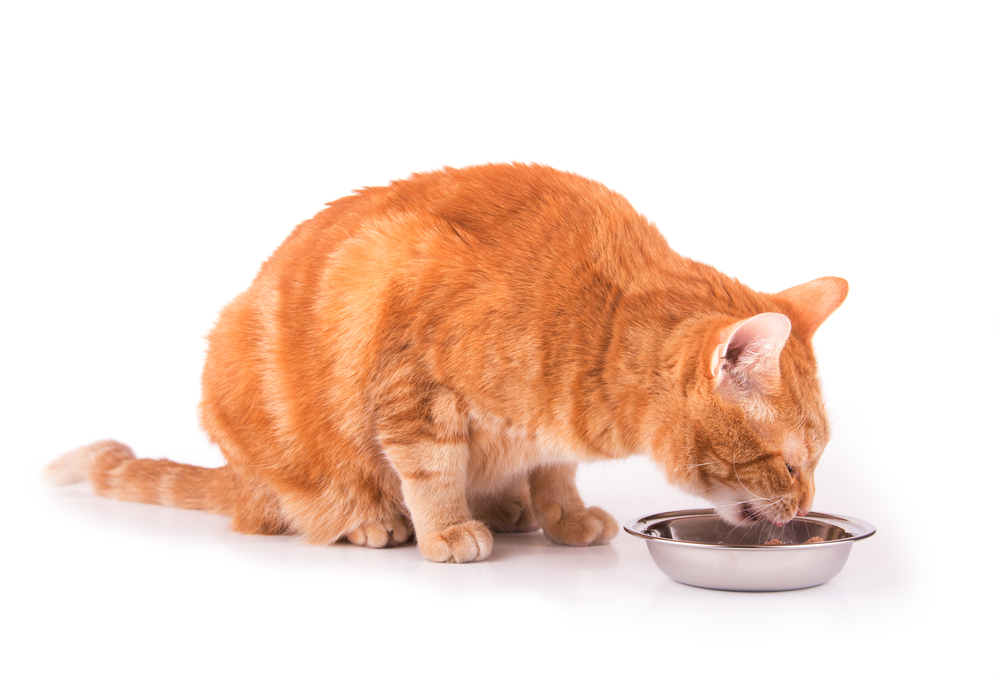
Has your cat been diagnosed with feline pancreatitis? Did you know that you can treat your cat's pancreatitis at home? While many cats will initially require hospitalization, home treatment for cat pancreatitis is the next step. Probiotics and digestive enzymes for pancreatitis in cats can help relieve symptoms such as diarrhea, vomiting, and lethargy. Along with the supplements, feeding a cat pancreatitis diet and making lifestyle changes can help to reduce inflammation and prevent future flare-ups.
Help your cat feel better at home. Our probiotics and enzymes can help ease discomfort and reduce symptoms such as vomiting, diarrhea, and poor appetite.
LypoZyme + Power Probiotic Package: Supports easier digestion while taking the workload off the pancreas.
Add Soothing Digestive Relief to ease discomfort and help relieve diarrhea, gas, and tummy upset.
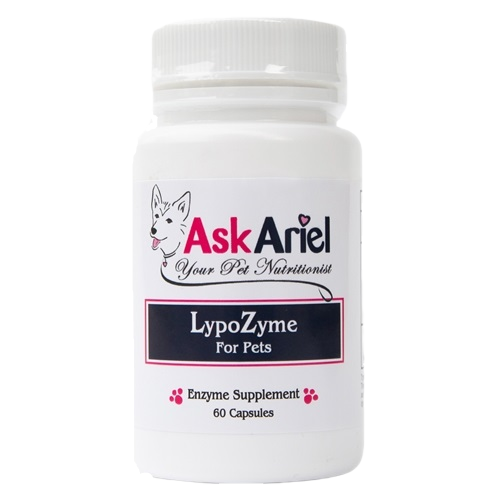
LypoZyme for Pets - LypoZyme contains the three most important enzymes for digestion - lipase, protease and amylase. Cat pancreatitis enzymes can break down nutrients from food and help your cat's body absorb them. This can take the workload off your cat's pancreas and digestive system. By improving your cat's digestion of fats and protein you can give your cat relief from the uncomfortable symptoms of pancreatitis. LypoZyme is easy to administer. These tasteless digestive enzymes for cats with pancreatitis come as capsules that can be opened and mixed into food. Cats will generally eat it readily as it has minimal taste and odor. It’s safe, natural and made in the USA. LypoZyme works best when used in conjunction with Power Probiotic.
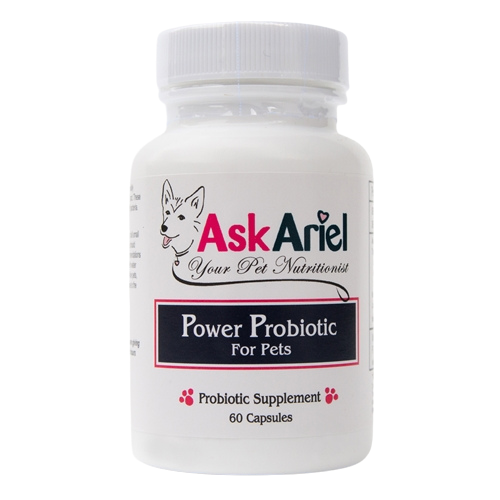
Power Probiotic - Probiotics for cats with pancreatitis can help fight bad bacteria in the gut, reduce inflammation and support digestive health. Power Probiotic is backed by scientific research and contains many strains of beneficial bacteria which are live, viable organisms. Probiotics can also help reduce inflammation in the body, which is a key factor in the development and progression of pancreatitis. By reducing inflammation, probiotics may help alleviate some of the symptoms of pancreatitis, such as abdominal pain and vomiting. Power Probiotic is critical to use if your cat has taken antibiotics and steroids because these medications can reduce the friendly bacteria and upset their microbiome. Most cats love the taste too (please click on the link to view a video of a cat scarfing down Power Probiotic). It’s safe, natural and made in the USA.
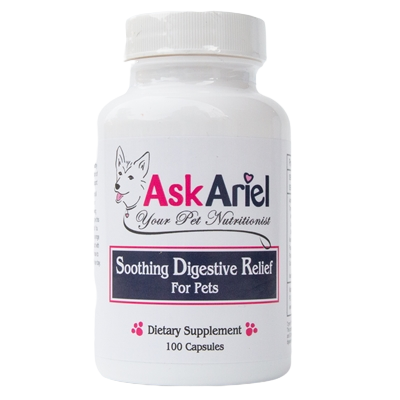
Soothing Digestive Relief - Many cats with pancreatitis suffer with an upset stomach. Soothing Digestive Relief For Pets contains a special blend of herbs and plant enzymes that have been scientifically proven to calm and soothe the digestive tract. Ingredients such as papaya leaf, marshmallow root and a digestive enzyme blend can help your cat find relief from tummy rumbling, diarrhea, indigestion, upset stomach and gas. If your cat has pancreatitis along with chronic digestive problems, use this product in conjunction with Power Probiotic to help restore a healthy balance of good bacteria. Easy to administer--just open the capsule and sprinkle on your pet's food. Well-tolerated by even the most sensitive cats. Veterinary approved and recommended.
"Meet Mama Jo. She is a 15-year-old bird video-loving girl, diagnosed with chronic pancreatitis in 2021. After two years of steroid treatment, she had her first big flare up in the Fall of 2023. She experienced inappetence, weight loss and as it progressed, near-daily vomiting. Her symptoms were managed with more prescription medications and, while it was necessary at the time, I couldn’t help but think it was a very temporary fix. Time to get to the gut of the problem.
My goals were to calm down that pancreas, heal her GI tract and for long-term effects, correct and maintain her gut health as naturally as possible - all to a cat who is impossible to pill. This was a tall order. Ask Ariel popped up on a Google search and I selected the products I felt would best meet our needs: LypoZyme, Power Probiotic and Happy Paws.
Within two to three days, Mama Jo felt the difference - her diarrhea was resolved. Barely a month in and her appetite is stable, she has regained weight and bunny kicks have resumed. It’s simply the nature of chronic pancreatitis to have ups and downs, but since adding Ask Ariel products, she has gone from needing prescription medication daily to a reduced dose only 1-2 times a week. I will continue to work with the wonderful support team at Ask Ariel to further manage her symptoms naturally. And cat parents, REJOICE...the Ask Ariel products mentioned here are tasteless and easily approved when sprinkled on food or in a favorite treat!"
Pancreatitis in cats requires veterinary treatment. Acute pancreatitis almost always requires hospitalization and supportive care. Chronic pancreatitis can usually be managed at home, but requires veterinary care if and when flare-ups occur. Effective feline pancreatitis treatment includes fluid therapy, pain management, and nutritional support. Once your kitty is released from the hospital, natural supplements can help support recovery and prevent relapse.
The most common clinical signs of feline pancreatitis include poor appetite, lethargy, vomiting, weight loss, dehydration, and diarrhea. Unlike dogs with pancreatitis, cats rarely show obvious abdominal pain. Most cats that are hospitalized with pancreatitis will remain in care for a few days and receive intravenous (IV) fluids and medications for hydration and to help detoxify the pancreas. Your veterinarian may use a variety of medications and treatments in an effort to help your cat feel better. The goals of the treatment are:
Prevent Infection - Your vet may prescribe antibiotics to manage infection. This can help fight any bacteria that may have moved from the gastrointestinal tract towards the pancreas. Antibiotics can be administered in the IV fluids. Those fluids will also help to flush out pathogens and cleanse the system. Using Power Probiotic is important if your kitty has been on antibiotics as it helps to replenish the friendly bacteria needed for a healthy immune system.
Reduce Nausea - During pancreatitis, digestive enzymes are released within the pancreas, instead of the intestinal tract, and they begin to digest pancreatic and intestinal tissue. Cats with pancreatitis generally have nausea, inappetence and acid stomach. Anti-nausea medication may be given to neutralize gastric acid in the stomach and to stimulate the appetite. Gastro ULC is also helpful for reducing acid stomach and can be used as an at-home remedy for acid stomach resulting from your kitty's pancreatitis.
Soothe The Stomach & Intestinal Lining - The self-digestion of the pancreas releases inflammatory toxins that can rapidly spread to the intestines, stomach and liver. A high percentage of cats with pancreatitis also suffer from other inflammatory conditions such as IBD. Many vets will prescribe steroids or anti-inflammatory medications to control the inflammation and antacids to reduce stomach acid production and protect the stomach and intestinal tract. Ask Ariel's IBD Kit contains three time-tested home remedies to relieve digestive discomfort and help repair your cat's intestinal lining by reducing inflammation.
Pain Management - Cats are good at hiding pain and feline pancreatitis is a very painful condition. Pain prevents recovery, so most vets begin analgesics through the IV fluid or with transdermal patches. For at home pain relief for cats, use Happy Paws Hemp Extract for feline pancreatitis. Once the pain and inflammation are under control, your cat can begin to heal.
"I have attached a picture of Jake and his brother Oliver. In the picture Jake is on the right and Oliver is on the left. Over a year and half ago, Jake became extremely sick, with not eating and constantly vomiting. He was put into the hospital for 4 days and they diagnosed him with Pancreatitis. He was sent home with me administering fluids 2x's a day and was not eating.. and was also sick from the medication. What the Vet prescribed was not working and the Vet's prognosis was not positive... I decided to check out Ask Ariel products and came across LypoZyme.
I stopped all fluids and all medication and started him slowly on adding LypoZyme into his food, as I was hand feeding him. Little by little he started eating. I started giving it in his food, he did not even notice as LypoZyme is flavorless.... and a year and half later....Jake has not vomited or has had any stomach issues...and has been eating all of his food on a daily basis.
LypoZyme saved Jake's life and saved me a tremendous amount of money on Vet bills... Jake will get LypoZyme in his food for the rest of his life. Thank you Ask Ariel for making such a great product. The reason I added Oliver, is I have started to give Oliver the LypoZyme in his food as well.. Jake and Oliver are both very happy.. and want to thank Ask Ariel for taking care of them, and allowing them to live a happy life."
Most cases of feline pancreatitis are related to inflammation in the GI tract and the overproduction of enzymes needed to digest food. Many cats have been fed commercial pet foods which may contain grains and allergens that cause chronic inflammation in the GI tract and stress the pancreas. Pet food, especially dry cat food, is very high in carbohydrates which also taxes the pancreas as one of its core roles is to regulate blood sugar. For long-term management of pancreatitis, cats need to eat a high moisture, anti-inflammatory diet free of grains. Using specific digestive enzymes for cats with pancreatitis is essential. Power Probiotic and LypoZyme have been very helpful for treating pancreatitis in cats naturally. Cats with pancreatitis can be finicky eaters, so it's important to use supplements that are tasteless and easy to administer.
Digestive enzymes for cats are biological catalysts that are necessary for thousands of important functions in the body. They support digestion and immune function. They are produced naturally in the salivary glands and pancreas. When food leaves the stomach, the pancreas secretes digestive enzymes into the food to break it down so the intestines can absorb the nutrients. When a cat has a pancreatitis attack, the natural digestive enzymes activate too early (within the pancreas) and can digest pancreatic and intestinal tissue instead of food. Pancreatitis enzyme supplements for cats can be helpful for kitties that have had or are at greater risk for pancreatitis.
Benefits of Pancreatitis Enzyme Supplements for Cats:
Improve digestion
Increase nutrient absorption
Support immune system function
Reduce gas, bloating and digestive discomfort
Help to alleviate food sensitivities
Support healthy teeth and gums
One of the most crucial functions of digestive enzymes is to break down and absorb nutrients from food. The three most important enzymes for digestion are lipase, protease and amylase. The highly purified enzymes in Ask Ariel's LypoZyme are concentrated for optimal digestion of fats and proteins. LypoZyme contains the following digestive enzymes in an exclusive proprietary blend:
Lipase – Released by the pancreas to break down fat into fatty acids and glycerol. Helpful for digestion, as it is naturally found in gastric and intestinal fluids. Can help to reduce symptoms such as diarrhea and abdominal pain. Lipase is helpful as a natural gallbladder supplement since it improves fat digestion and the use of bile.
Protease – Breaks down protein into amino acids, which the body can then use for energy. Studies have shown that protease can help to reduce inflammation and boost immunity. May also help to relieve common digestive symptoms, such as bloating, gas, constipation and abdominal pain.
Amylase – Breaks down starches and carbohydrates into sugars. The amylase found in saliva is the start of the digestive process. It is also made by the pancreas to convert starches to energy.
"Our cat Oliver was diagnosed with pancreatitis and was hospitalized. He was very listless and didn't want to eat. We were so worried about him. It is very hard to give him medicine but I was SO glad the LypoZyme pills were so small and it was easy to give to him. I opened the capsules and mixed them with the Power Probiotic (which he liked the taste of) in his canned food. It really seemed to help his appetite and gave us our kitty back. He hasn't had another flareup since. Thank you!"
Pancreatitis in cats occurs when the pancreas becomes inflamed. The pancreas is a small organ located between your cat’s stomach and intestines. It produces hormones that help to regulate blood sugar and also makes digestive enzymes that break down fat, protein and carbohydrates. The digestive enzymes produced by the pancreas are activated too soon and the pancreas can begin to digest itself. Due to the wide range of pancreatic functions, the symptoms may be similar to other health issues and cat pancreatitis may be difficult to diagnose.
Dogs with pancreatitis will vomit and show signs of abdominal pain, while many cats do not show any obvious clinical signs. The most common signs of pancreatitis in cats are:
Lethargy
Loss of appetite
Dehydration
Weight loss
Increased thirst and urination
Jaundice (yellowing of gums, skin or whites of the eyes)
Some cats will develop vomiting, fever, increased heart rate, and a tender abdomen, but these symptoms are rarer in feline pancreatitis.
Feline pancreatitis is common but most of the time, there is no one specific cause (whereas in dogs it is most often due to eating high fat or spoiled foods). The development of pancreatitis in cats has been linked to the following:
Adverse drug reactions
Inflammatory Bowel Disease – Chronic pancreatitis is often experienced concurrent to IBD in cats.
Liver Disease – Cholangitis is often concurrent with pancreatitis in cats.
Infection – Certain infectious disorders, such as toxoplasmosis and feline infectious peritonitis, have been cited as possible causes of pancreatitis. Toxoplasmosis can cause respiratory and nervous system inflammation and weaken immune response. Feline infectious peritonitis (FIP) is a viral disease in which the body creates an intense inflammatory response to certain strains of feline coronavirus.
Trauma - Being hit by a car or a high fall can trigger the onset of pancreatitis.
Parasites – Gastrointestinal parasites such as worms (Hookworms, tapeworms) or protozoan parasites (coccidian, giardia) are possible causes of pancreatitis.
Diet also has a huge impact on a cat’s chances of getting pancreatitis, as do genetics. Siamese cats have been shown to have a predisposition for developing the disease. It is also more common in middle age and older cats.
"For 2 years now I have been giving Teesha various natural remedies for pancreatitis, including from vets. but he didn't start making significant progress until I gave him the Ask Ariel Pancreatitis Kit a couple of months ago. He now eats on his own again, and only vomits occasionally a small amount of liquid and for the first time since his illness, I saw him grooming himself a little. He will be 15 years old this year. Thank you Ask Ariel for your dedication to providing the best possible natural pet remedies."
Cats can suffer from two different forms of pancreatitis: acute pancreatitis and chronic pancreatitis, with the chronic type being more common in cats. The symptoms will present similarly, but acute pancreatitis can quickly lead to systemic inflammation and needs to be treated immediately. Chronic pancreatitis is a long-term condition which can be well managed by identifying and controlling flare-ups, using natural supplements and feeding a supportive pancreatic diet.
Triaditis is the concurrent inflammation of the pancreas, liver and small intestines. Many cats with pancreatitis also have Inflammatory Bowel Disease (IBD) and cholangitis or hepatic lipidosis, both liver diseases.
The triad begins just beyond the stomach, in the duodenum - the first section of the small intestine. In cats, the bile duct (from the liver) and the pancreatic duct both open into the duodenum. The feline duodenum is rich in bacteria and vomiting, a common symptom of all three conditions, can cause reflux back into both the liver and pancreatic ducts, easily spreading illness to other organs. This triangle of organs are involved in the same processes and inflammation can occur concurrently. The three separate conditions share similar symptoms, so it can be hard to diagnose one or all of the diseases. Triaditis has been reported* in over 50% of cats diagnosed with pancreatitis and approximately 40% of those with cholangitis or inflammatory liver disease.
*Reference:NAVC - How I Treat Feline Triaditis.World Small Animal Veterinary Association World Congress Proceedings, 2014.
Hepatic lipidosis (feline fatty liver) can develop when cats go as little as three days without food. The liver stops functioning properly and stores fat, instead of metabolizing it, causing the cells to swell and become "fatty". This build up of fat inside the liver cells can be associated with diseases that cause decreased appetite or metabolic disorders. Approximately 40% of cats with hepatic lipidosis also have pancreatitis.
Treatment for triaditis is focused on the organ most responsible for the clinical signs. All three conditions can be caused by bacteria or abnormal immune response. Cats with triaditis do best when they support all three organs affected by the inflammatory response.
Click here for IBD support supplements.
Click here for liver support supplements.
Susan Blake Davis, CCN, is a Pet Nutritionist and founder of Ask Ariel, providing veterinarian recommended, human-grade supplements for dogs and cats for over 20 years. Susan developed these supplements after years of working in animal rescue, helping thousands of shelter pets regain their health through holistic nutrition and care.
From 2005 to 2015, she offered holistic pet nutrition consultations at VCA Hospitals and a veterinary oncology center, working alongside Dr. David Gordon, a respected integrative veterinarian in Southern California. Over the years, veterinarians nationwide have recommended Ask Ariel supplements after seeing firsthand the proven results in their patients.
A Phi Beta Kappa graduate of UC Davis with a Master’s from UCLA and certification as a Clinical Nutritionist, Susan’s expertise has been featured in Catster, Dogster, The Los Angeles Times, and the Orange County Register.
Pancreatitis in cats is also referred to as inflammation of the pancreas in cats. Many of the symptoms of pancreatitis in cats are also common in other feline digestive diseases such as IBD. Common symptoms of inflammation of the pancreas in cats: loss of appetite, vomiting, lethargy, weight loss, fever, tender abdomen.
Your veterinarian will provide treatment for your cat at the veterinary clinic which may include IV fluids as well as pain and nausea medications. But how to treat pancreatitis in cats at home? Cats with pancreatitis can benefit from digestive enzymes to help break down fats and proteins, reducing the workload of the pancreas. Probiotics can repopulate the digestive tract with beneficial flora which improve digestion and immune health. Cats with pancreatitis may be less sensitive to fats as dogs are however, certain food intolerances and allergies may trigger inflammation.
There are two types of pancreatitis in cats. Acute pancreatitis requires immediate veterinary intervention. Cats can recover from acute pancreatitis and never have another episode. Chronic pancreatitis is more common in cats. It is a long-term condition that can be well managed by feeding a hypoallergenic, novel protein diet and using digestive enzymes for cats with pancreatitis.
Triaditis is the concurrent inflammation of three organs: the pancreas, liver and small intestines. Over 50% of cats diagnosed with pancreatitis also have Inflammatory Bowel Disease (IBD) and a liver condition (hepatic lipidosis or cholangitis). These three organs are all involved in the same processes and share similar disease symptoms. Food allergies and diet are contributing factors to IBD in cats. Natural feline pancreatitis treatment consisting of diet changes, digestive enzymes and probiotics can help triaditis in cats.
.png)