Need Help? [email protected]
Save $5 Off $75 | $10 Off $150 - Click Here
Free Shipping For Product Orders Over $99!
Ask Ariel's natural supplements for dog lung tumors, metastasis, and breathing support can be used along with conventional treatments prescribed by your veterinarian or veterinary oncologist. Our natural remedies may help your dog in three different ways: help relieve pain and inflammation, support immunity to help your pup fight cancer, reduce coughing and improve breathing comfort.
A cancer diagnosis can be overwhelming — but you’re not alone. The Dog Cancer Support Kit includes three veterinary-recommended, scientifically-formulated supplements designed to provide comprehensive support for dogs with cancer. These products work together to help your dog feel stronger, more comfortable, and better supported during this challenging time.
Includes 3 powerful immune & antioxidant support supplements for dogs with cancer:
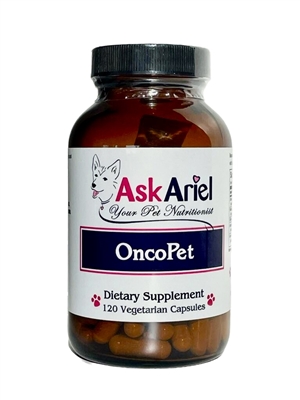
OncoPet Cancer Vitamin – A comprehensive, veterinary-approved cancer supplement packed with medicinal mushrooms, herbs, and antioxidants to support the immune system and fight abnormal cell growth.
CurcuMagic For Pets - Contains highly bioavailable curcumin (from turmeric) to help reduce inflammation, provide antioxidant protection, and support a healthy cellular response.
Power Probiotic – A healthy gut microbiome is essential for immune defense, as much of your dog’s immune system resides in the gut — making probiotics a critical part of overall cancer care, not just digestive support.
Excellent Value! The Dog Cancer Support Kit price is 30% less than purchasing the products separately.
OncoPet Cancer Vitamin For Dogs is a proprietary blend of herbs and medicinal mushrooms that provide powerful immune support. The natural ingredients in OncoPet contain polyphenols, beta-glucans and antioxidants, like D-fraction and L-ergothioneine, that boost the immune system and help regulate your dog's inflammatory response. OncoPet is a comprehensive dog cancer vitamin that also includes herbs to help balance the gut microbiome and reduce nausea and cancer-related fatigue. Combines well with cancer treatments from your veterinarian or veterinary oncologist. Helps pets handle chemotherapy and radiation. Excellent value. One bottle lasts up to 8 months for small dogs.
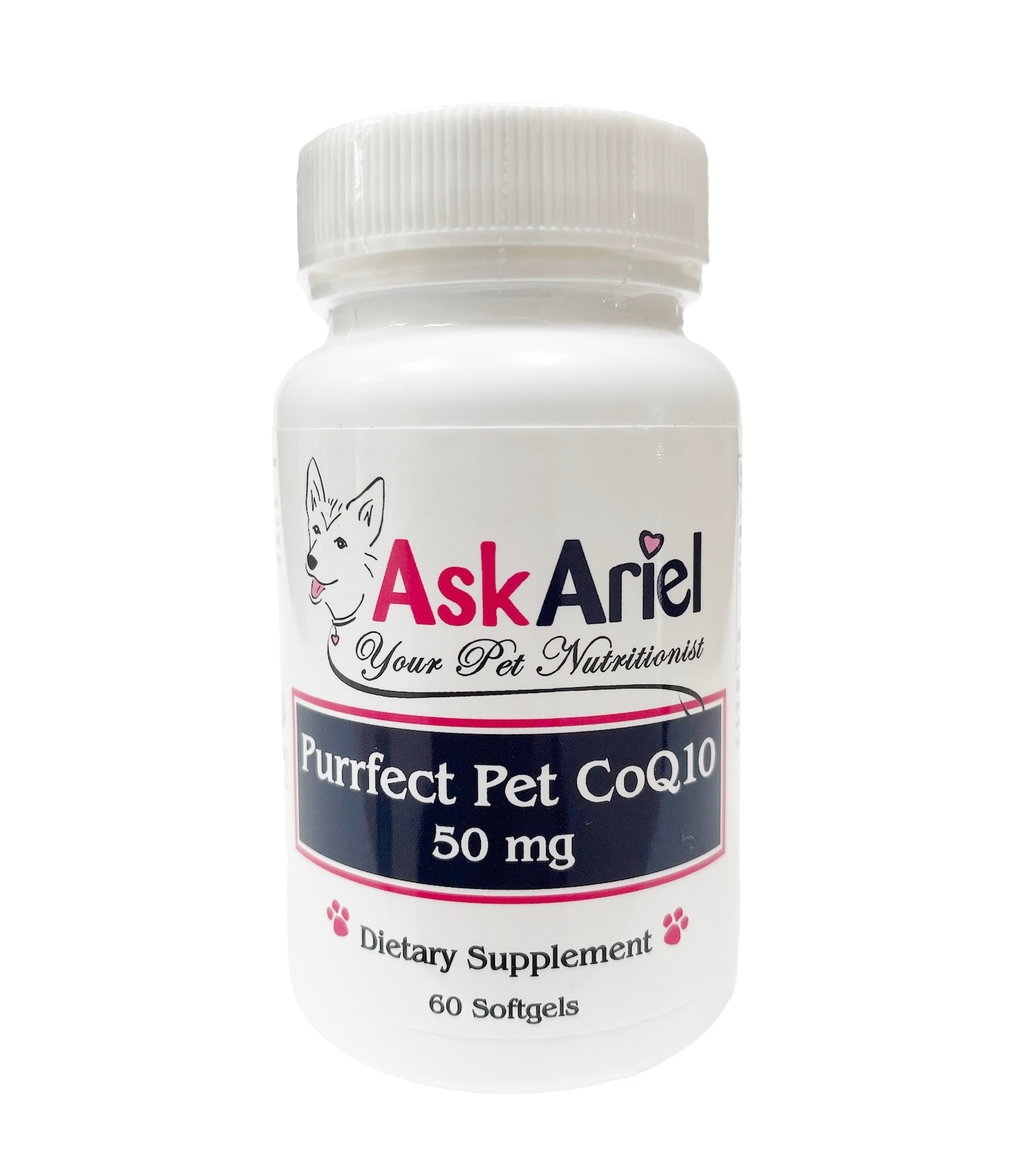
Purrfect Pet CoQ10 helps support your dog's circulation, cardiovascular and heart health on a cellular level. Coenzyme Q10 is a powerful antioxidant found in all cells that helps to facilitate enzyme activity and energy production and helps to maintain healthy heart function and respiration. Purrfect Pet CoQ10 can increase tissue oxygenation and help to ease lung inflammation. Purrfect Pet is made with genuine Kaneka Ubiquinol™, the reduced, active antioxidant form of coenzyme Q10. Ubiquinol is up to 8 times more absorbable than conventional coenzyme Q10 making the efficacy superior to other products with standard CoQ10 - backed by over 18 clinical studies. Experts recommend CoQ10 for lung health supplementation.
CurcuMagic For Pets is a scientifically proven, natural anti-inflammatory pet supplement containing a patented combination of three curcuminoids acting as free-radical scavengers. These cancer-fighting nutrients in this unique bioactive turmeric formula help pets prevent and fight cancer. CurcuMagic absorbs best when digested with fat, especially omega-3 fatty acids (found in Amazing Omegas), which is why our clients use the two pet cancer supplements together. If your pet is undergoing radiation, curcumin can protect the skin.
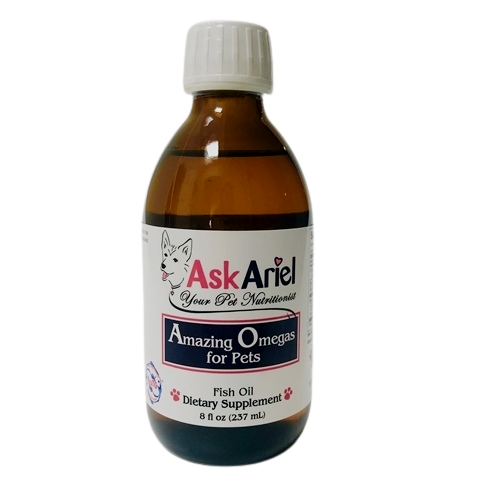
Amazing Omegas for Pets is the highest-quality purified fish oil available for pets. It is a powerhouse of omega-3 nutrients (essential fatty acids) that can help your dog fight cancer. Amazing Omegas is a highly purified fish oil made from sardines, anchovies and mackerel, processed with minimal heat to preserve the oil in its natural state. It’s naturally processed and highly bioavailable, and all toxins and heavy metals have been carefully removed. Compare the nutrient panel of this premium pet fish oil to all other brands and see the difference.
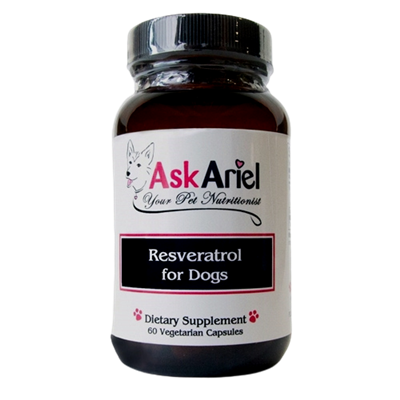
Resveratrol For Pets is an exceptional antioxidant, backed by research, that can help your dog in so many ways. Cancer support and prevention (use with dog breeds that have a higher incidence of cancer, such as bichon frises, German shepherds, Labradors, golden retrievers and boxers). Resveratrol For Pets acts on the process of carcinogenesis by affecting all three phases — tumor initiation, promotion and progression — and suppresses the final steps of carcinogenesis. Resveratrol for Pets also supports immune function. Considering just these benefits, you can already see how Resveratrol provides excellent natural lung cancer support for dogs and cats.
"My dog Marco was diagnosed with inoperable lung cancer. I used a number of immune support supplements from Ask Ariel such as Resveratrol for Dogs, Curcumin For Pets, Amazing Omegas, Immune Harmony, Power Probiotic and a few others. One of his symptoms prior to using the supplements was his constant coughing. We previously had tried some coughing medication from the veterinarian and Marco was still coughing. But after using the supplements, his coughing improved so much. Thank you so much for helping Marco feel better!" - Karen, California
The lungs are a vital part of your dog's respiratory system, responsible for supplying oxygen to the body's cells and removing waste gases like carbon dioxide. When the lungs are compromised by tumors, metastasis, or inflammation, your dog may not get enough oxygen, which can affect the heart, brain, and overall health. Breathing problems in dogs can be due to various factors, including excess weight, allergies, chronic bronchitis, heart disease, or lung cancer.
Lung cancer in dogs often involves the abnormal growth of epithelial (skin) cells in the lung tissue. The most common type, adenocarcinoma, accounts for approximately 75% of canine lung cancer cases. This is a fast-growing, malignant tumor that can quickly spread to other parts of the body, including the lymph nodes, bones, or even the brain. While primary lung cancer is considered rare (making up about 1% of all canine cancers), when it occurs, it can grow aggressively and affect your dog's ability to breathe comfortably.
Lung cancer is typically diagnosed in older dogs, though certain breeds like Boxers, Doberman Pinschers, Australian Shepherds, Bernese Mountain Dogs, and Irish Setters appear to be more predisposed. The exact cause of lung cancer in dogs is unknown, but long-term exposure to environmental toxins — such as second-hand smoke, air pollution, or toxic cleaning agents — may increase the risk.
Lung cancer in dogs can be classified into two main types: primary and metastatic.
Primary Lung Cancer - This form originates in the lung tissue itself and, while relatively rare, it can be particularly aggressive. The most common form is carcinoma, with adenocarcinoma making up about 75% of cases. These tumors can rapidly grow and metastasize to other organs, bones, or lymph nodes.
Metastatic Lung Cancer - This type occurs when cancer from elsewhere in the body spreads to the lungs via the bloodstream or lymphatic system. Metastatic lung cancer is more common than primary lung tumors. Cancers that often metastasize to the lungs include osteosarcoma, lymphoma, and mammary tumors. Metastatic lung cancer may present with similar symptoms to primary lung cancer, though coughing is less common. Often, these tumors appear as multiple small masses, and unfortunately, many metastatic tumors are too tiny to be detected on x-rays until the disease is more advanced.
Some of the most common clinical symptoms of lung cancer are listed below. With many types of cancer, a pet will not show any outward signs that they are not feeling well. Subtle changes to appetite, mood and activity may signal that your dog does not feel well. Symptoms of lung cancer may include:
Coughing or coughing up blood (hemoptysis)
Wheezing or noisy breathing
Dyspnea (labored breathing)
Tachypnea (rapid breathing)
Fatigue, low energy, exercise intolerance
Poor appetite and gradual weight loss
Some dogs with lung tumors may have fever or pain, start to exhibit muscle wasting or have an accumulation of fluid in the abdomen (ascites). Using natural vitamins for lung cancer in dogs can help to make your pet more comfortable by supporting lung function and reducing inflammation.
Since many dogs with lung cancer have no symptoms, tumors are often found when a dog is undergoing routine diagnostic testing, such as blood work, urinalysis, or x-rays, for an unrelated condition. Testing for lung cancer may include:
Chest x-ray
Blood work & urinalysis
Ultrasound or CT scan
Biopsy
Complete diagnostic testing can help your vet or veterinary oncologist have a clearer picture of how much lung tissue has been affected by the cancer and can help to determine what treatment options may be helpful for your dog.
Surgical removal of tumors is the primary treatment for operable lung cancer. If tumors have spread to multiple lung lobes or the lymph nodes, chemotherapy or radiation may be recommended.
Holistic treatments for dog lung cancer can be combined with most conventional veterinary options. Adding natural immune support supplements, such as medicinal mushrooms, omega-3s, curcumin, CoQ10 and resveratrol, can help reduce inflammation, strengthen immunity, and support breathing.
Simple diet changes can help to improve digestion and fight inflammation. At Ask Ariel, we will include FREE dog lung cancer diet tips on the packing slip that comes with your order.
The life expectancy of a dog with lung cancer varies depending on the type of cancer and the treatments selected. A dog that has a primary lung tumor (or tumors) removed can live an average of 12-16 months if the cancer has not spread. If the cancer has spread through the lymphatic system, the prognosis decreases to an average life expectancy of 2 months. Many dogs can still enjoy quality time with the right combination of veterinary care, supplements, and dietary support.
"Our 13 year old dog Legend has lung scarring which can cause him to breathe and pant very heavily, especially after exercise. We saw a noticeable improvement in his breathing and stamina when we started using Purrfect Pet CoQ10 twice a day. The product seems to help him stay energized and to avoid gasping. It even helped to reduce his snoring!" - Davis Family, California
A comprehensive approach to treating lung cancer will provide the most relief for your dog. Check with your veterinarian or oncologist about combining natural supplements with any medications and treatments (radiation or chemotherapy) prescribed by them. Using holistic vitamins in combination with diet changes can help strengthen your dog's immune system. A few lifestyle changes can also help to lessen the severity of some lung cancer symptoms:
Maintain a healthy weight. When your pet becomes overweight, it takes more energy to breathe. This pressure in the lungs can aggravate the inflamed tissue and cause coughing and difficulty breathing. Substituting green vegetables for some of the food in your dog's meals is an excellent way to help your dog lose weight. They help your pet feel more satisfied and offer a low-calorie, nutritious source of bulk food. Long, slow walks are very helpful for pets with lung cancer. They help to keep your dog active and may help to prevent lethargy and muscle wasting.
Avoid airborne irritants. Cigarette smoke, dust, and strong fragrances can promote coughing. As with people, second-hand exposure to cigarette smoke has also been linked to the development of lung tumors in dogs. Dogs living inside homes with smokers have a 60% risk for developing lung cancer. Another possible risk factor is living in environments high in pollutants. Brachycephalic breeds with their flat noses are also at greater risk, due to less filtering in their nasal passages. By keeping the windows closed and by running an air conditioner or air purifier, you can minimize respiratory distress.
Dogs with lung cancer can benefit from a low-carbohydrate, hypoallergenic diet, rich in Omega-3 fatty acids. Research studies have shown that eicosapentaenoic acid (EPA) and docosahexaenoic acid (DHA), two types of omega-3 fatty acids, can help slow the development of tumors and metastases of certain cancers. By using a high-quality fish oil and adding a small portion of baked fish or sardines in water can provide a source of omega-3s in your dog's diet.
Diets high in carbohydrates may promote tumor growth and should be controlled. Dry food diets generally are high in carbohydrates so choosing another form of dog food such as raw frozen, canned or homemade can be beneficial. Adding an array of fresh vegetables can provide important enzymes and nutrients to your dog's diet. Since the majority of your dog's immune system resides in the intestinal tract, maintaining a balanced microbiome is also essential. Probiotics along with fresh foods containing prebiotic fibers can support a healthy immune system.
Ask Ariel has extensive experience formulating diets for pets with cancer as our Pet Nutritionist Susan Davis offered holistic consultations for over 10 years at VCA hospitals and at a veterinary oncology clinic. While we no longer offer consultations, we do include FREE dog lung cancer diet tips on the packing slip that comes with your order.
Susan Blake Davis, CCN, is a Pet Nutritionist and founder of Ask Ariel, providing veterinarian recommended, human-grade supplements for dogs and cats for over 20 years. Susan developed these supplements after years of working in animal rescue, helping thousands of shelter pets regain their health through holistic nutrition and care.
From 2005 to 2015, she offered holistic pet nutrition consultations at VCA Hospitals and a veterinary oncology center, working alongside Dr. David Gordon, a respected integrative veterinarian in Southern California. Over the years, veterinarians nationwide have recommended Ask Ariel supplements after seeing firsthand the proven results in their patients.
A Phi Beta Kappa graduate of UC Davis with a Master’s from UCLA and certification as a Clinical Nutritionist, Susan’s expertise has been featured in Catster, Dogster, The Los Angeles Times, and the Orange County Register.
Many dogs with lung tumors will not show any obvious signs that they aren't feeling well. Coughing, difficulty breathing and rapid breathing are the most common clinical signs of lung cancer in dogs. Other symptoms may include lethargy, exercise intolerance, poor appetite and weight loss. Some dogs with lung cancer may cough up blood, have a fever or show muscle wasting.
Holistic treatments can be combined with conventional veterinary care. The most common treatment for primary lung tumors is the surgical removal of the affected tissue. Chemotherapy and radiation are also used to treat dog lung cancer. Natural supplements and diet changes can help support your dog's immune system whether or not you elect to do surgery.
Natural remedies for cancer in dogs can be used in conjunction with conventional cancer treatments prescribed by your veterinarian or veterinary oncologist. Some immune support cancer vitamins, such as medicinal mushrooms, curcumin, fish oil, and antioxidants like resveratrol, can help dogs feel more comfortable while fighting cancer.