Need Help? [email protected]
Save $5 Off $75 | $10 Off $150 - Click Here
Free Shipping For Product Orders Over $99!
Home remedies for cat upper respiratory infections can help your cat feel better quickly—especially if they are sneezing, congested, or have watery eyes. Many cat owners also look for natural antibiotics for cats to help support recovery at home.
Upper respiratory infections (often called "cat colds") are very common and are usually caused by viruses such as feline herpesvirus and calicivirus. Because of this, traditional antibiotics are not always effective, and supporting your cat’s immune system while reducing inflammation can make a real difference in comfort and recovery.
Our approach combines home remedies that support the immune system with simple diet changes, including a low-carbohydrate, hypoallergenic diet for best results. Free diet tips are included with every order. Trusted by pet owners since 2005, Ask Ariel has helped thousands of cats find relief from recurring upper respiratory infections and improve their quality of life.
There are natural ingredients that have antimicrobial properties, but they are not meant to replace prescription medications when those are needed.
Instead, natural remedies work by:
Supporting immune function
Reducing inflammation
Helping the body respond to infection
For many cats—especially those with recurring viral infections—this approach can help reduce symptoms and decrease the frequency of flare-ups.
Many cat owners search for the strongest natural antibiotic when their cat is dealing with sneezing, congestion, or a runny nose--especially when the symptoms keep coming back.
Cats may continue to have flare-ups, even after using antibiotics and other treatments. Recurring respiratory issues are one of the most frustrating problems for cat owners.
The truth is that natural remedies don’t work the same way as prescription antibiotics. While antibiotics are designed to kill bacteria directly, natural supplements work by helping your cat’s immune system to fight infections more effectively.
This is especially important because many upper respiratory infections in cats are viral rather than bacterial. In these cases, strengthening the immune system and using natural antiviral and anti-inflammatory support can help reduce symptoms and improve recovery.
Upper respiratory infections in cats (often called cat URI) are very common and can spread easily between cats, especially in multi-cat households, shelters or catteries. These infections typically involve the nose, throat and sinuses and may cause flare-ups that come and go, particularly in cats with viruses such as feline herpesvirus. Feline upper respiratory infections can lead to secondary bacterial infections if left untreated.
URIs are highly contagious and spread through nasal or eye secretions during activities such as grooming and playing. Cats may also become infected by sharing food bowls, bedding, brushes or litter boxes.
When congested, cats may lose interest in food and water. It is very important to keep your kitty well fed and hydrated. Some cats experience chronic URIs, leading to long-term discomfort. This can be frustrating, as symptoms may fluctuate over time. If chronic URIs persist, it’s important to have your cat tested for viruses such as feline immunodeficiency virus (FIV) or feline leukemia virus (FeLV). With supportive care, most typical URIs resolve within one to three weeks.
Sneezing
Stuffy nose or nasal congestion
Conjunctivitis (eye inflammation)
Fever
Runny nose or eye discharge
Lack of appetite
To learn more about cat sneezing read our comprehensive article about the causes of cat sneezing and natural remedies that will help.
A cat cold and a cat upper respiratory infection (URI) share similarities in symptoms and can be used interchangeably in some contexts,they are not precisely the same.
A cat cold typically refers to a mild viral infection affecting the upper respiratory tract in cats. It is often caused by viruses such as feline herpesvirus (FHV) or feline calicivirus (FCV). Symptoms may include sneezing, nasal discharge, congestion, and occasionally fever.
On the other hand, a cat upper respiratory infection encompasses a broader range of infections affecting the upper respiratory tract, including both viral and bacterial pathogens. In addition to viruses like FHV and FCV, bacterial agents such as Chlamydophila felis and Bordetella bronchiseptica can also cause URIs in cats.
While the terms may be used interchangeably, veterinarians usually will make a more specific diagnosis based on the causative agent and severity of the infection. Home remedies for upper respiratory infections in cats and cat colds both include supportive care and natural supplements.
"Just wanted to thank you. Our 4 year old Selkirk Rex, Zin, was adopted through a rescue when he was 2. He was recently diagnosed with the Herpes Virus; which explained a lot of his illnesses since we have had him. Two months ago, he became ill with a really bad cold; he could hardly breathe and soon stopped eating and drinking. We took him to two Vets, both tried hard to help him with antibiotics and antihistamines; but he still was suffering. I found your website and ordered the QUENT Drops and the NOT Drops and gave them to him daily. He is now almost back to his normal little self and we are so grateful! He is eating and drinking. He even jumped his little brother tonight! His breathing is pretty much normal now for his flat little nose. Thanks again for helping our Zin!"
Two common conditions that cause cat breathing problems and nasal discharge are rhinitis and sinusitis. Rhinitis is the inflammation of the cat’s nose, and sinusitis is the inflammation of the nasal passages. If the nasal discharge is coming from both sides of the nose, it is usually viral or bacterial. When discharge is in just one side, it may be fungal, nasal polyps or tooth root abscess. Sinus infections can also occur as a symptom of a weakened immune system due to an underlying viral condition. Veterinarians may prescribe antibiotics in case your cat's cold is bacterial in nature. What can you do at home to help your cat with sinusitis or rhinitis?
Rhinitis and sinus infections in cats can have several potential causes. These can include:
Upper Respiratory Infections (URIs) - Viral or bacterial infections, such as feline herpesvirus (FHV) or feline calicivirus (FCV), can lead to inflammation and blockage of the nasal passages, causing a buildup of mucus and potential secondary bacterial infection.
Dental Disease - Severe dental disease, such as infected teeth or gum disease, can lead to the spread of infection to the sinuses. The close proximity of the teeth and sinuses allows bacteria to travel from the mouth to the nasal passages.
Allergies - Cats can develop allergies to various substances, such as pollen, dust mites, mold, or certain foods. Allergic reactions can cause inflammation in the nose and surrounding tissue.
Fungal Infections - Fungal infections, such as Cryptococcus or Aspergillus, can affect the nasal passages and cause inflammation and infection in cats, particularly in those with compromised immune systems.
Foreign Objects or Tumors - The presence of foreign objects, such as grass awns, or the presence of tumors in the nasal passages can cause blockages and lead to infections. Cats can have inflammatory polyps (non-cancerous growths inside the nasal passages) or neoplaysia (cancer) which causes abnormal tissue growth in the nasal passages.
Facial Trauma - Injuries or trauma to the face or head can result in damage to the nasal passages and potentially lead to rhinitis and sinusitis.
Your veterinarian will evaluate the cat's symptoms, perform diagnostic tests if necessary, and develop an appropriate treatment plan based on the underlying cause. Treatment may involve antibiotics, antifungal medications, pain relief, supportive care, or surgical intervention, depending on the cause of the infection.
"I received the AllerEaze. I gave it to my cat who has a stuffy nose and sinus congestionand within 24 hours she was feeling so much better! It's a wonderful product!
I have been following the instructions with all the other products (NOT Drops and QUENT Drops) and keeping them on the diet you recommended. These products are truly amazing! I am so glad I came across your website and ordered these products! Thank you again for all the support and care you give to your customers and their pets!
You are wonderful and so are your products! Thank you, thank you, thank you again for all your help and your advice! It's working! So glad to see all four of my Persian catsbecoming healthy and happy again!"
Both home treatment for sinusitis in cats and home treatment for rhinitis in cats can help alleviate the symptoms and promote healing. It is important to check with your vet first, as antibiotics may be needed for your kitty. Here are a few general tips that may help your cat with rhinitis and sinusitis:
Steam Therapy - A steamy environment can help loosen cat mucus and relieve congestion. You can take your cat into the bathroom while running a hot shower to make a steam room.
Warm Compress - Applying a warm compress to your cat's face for a few minutes a few times a day can help reduce inflammation and promote drainage of the sinuses.
Hydration - Ensure your cat has access to fresh water at all times to stay well hydrated. Adequate hydration helps thin the mucus and facilitate drainage.
Proper Nutrition - Feed a grain-free, hypoallergenic, low-carbohydrate diet to support your cat's immune system.
Natural Supplements - Supplements like probiotics and olive leaf can help to support overall health and immune function. Using a probiotic is essential if your cat has taken steroids or antibiotics, as these medications reduce the population of friendly bacteria in the intestinal tract. Friendly bacteria fight off pathogens, bad bacteria and viruses in an effort to keep your cat healthy. Olive leaf extract is a natural antiviral and antibacterial herbal remedy used since ancient times to support a healthy immune system.
"Boris is my (now) 10 year-old domestic medium haired cat. He's a gentle and loving boy. He's had issues with allergies and feline herpes since he was 1 year old, which manifest in sneezing and runny eyes with discolored discharge.
A couple of years ago, I found AskAriel. Boris was switched to a novel food source, and I put him on NOT Drops in addition to his daily l-lysine. The NOT Drops keep his eye issues mostly under control, and I can definitely tell when I've skipped a dose.
Antibiotics are commonly prescribed for cat respiratory infections, but they are only effective against bacterial infections—not viruses, which are the most common cause of feline upper respiratory infections.
Because of this, many cat owners look for home remedies and natural options to help support their cat’s immune system and relieve symptoms without over-relying on antibiotics.
While antibiotics can be necessary in certain cases, especially when a secondary bacterial infection is present, frequent or unnecessary use can lead to several potential problems:
Antibiotic Resistance - Frequent or prolonged use of antibiotics can contribute to antibiotic-resistant bacteria, making future infections harder to treat.
Disruption of the Microbiome - Antibiotics can kill beneficial bacteria that support digestion and immune balance, increasing digestive upset or secondary issues.
Increased Susceptibility to Other Infections - Overuse can weaken immune resilience via microbiome imbalance or suppressed immune response.
Allergic Reactions - Cats can develop reactions to antibiotics ranging from mild irritation to severe responses.
Are there natural antibiotics for cats? There are home remedies for cats that have antimicrobial properties, but they are not meant to be a replacement for prescription medications. However, using natural supplements can support your cat's immune system and potentially reduce the need for antibiotics. Here are some natural ingredients that may be helpful for cats with chronic infections:
Colloidal or Ionic Silver - Some studies suggest antimicrobial effects. Traditional colloidal formulas may carry risk of silver accumulation over time. Silver Support For Pets utilizes a patented technology designed for stability and long-term use.
Olive Leaf - Olive leaf extract contains oleuropein, with antibacterial, antiviral, and antifungal properties. Olive Leaf Extract can help manage infections that may contribute to inflammation in the nasal passages.
Probiotics - Probiotics are beneficial bacteria that can help restore the balance of the gut microbiome. Probiotics formulated for cats can help reduce antibiotic-associated diarrhea and support immune function.
Penicillium - Natural homeopathies from the Penicillium genus should not be confused with the antibiotic penicillin. Some species including Penicillium notatum and Penicillium frequentans may produce bioactive compounds with antimicrobial properties.
Ask Ariel offers effective home remedies for cat upper respiratory infection treatment, designed to relieve symptoms such as nasal congestion, mucus, and sneezing while naturally supporting your cat’s recovery. While conventional veterinary options may be limited, home remedies for cat upper respiratory infections can significantly improve your cat's quality of life. Cats with viruses often exhibit similar symptoms to those with upper respiratory infections, making these home remedies a helpful option for both.
When treating a cat respiratory infection at home, a holistic approach can be highly effective. This involves two key steps: strengthening your cat’s immune system with dietary changes and using supportive supplements to manage the virus. Natural remedies can help reduce symptoms and support recovery. For cats prone to viral infections, it’s essential to have antiviral supplements on hand to address flare-ups quickly and effectively.
Respiratory Support Kit – The Immune & Respiratory Support Kit is an effective treatment for cats with URIs, sinus congestion, sneezing, viruses, sores and coughing.
Easy to use drops (with minimal smell and taste - no alcohol)
Fight infections to reduce nasal discharge and sneezing
Clears up nasal and sinus congestion to help improve breathing
Gentle, natural remedies that can safely be used on an ongoing basis
Immune booster for cat rhinitis home treatment
Contains three natural remedies that provide relief by calming infection and inflammation
The natural remedies in the Immune & Respiratory Support Kit can also be purchased individually. Please click on the links below for more detailed information about each product.
NOT Drops – NOT Drops help control harmful bacteria and restore gut flora balance, improving your cat's immune function. Acts like natural antibiotics for cat respiratory infections.
QUENT Drops – Natural antiviral for cats. QUENT Drops target the lung and upper respiratory system. QUENT and NOT Drops work synergistically to control infections and inflammation.
Silver Immune Support – An all-natural at-home treatment for feline upper respiratory infections. Helps your cat recover from a bacterial infection or viral flare-up. It is a broad-spectrum antimicrobial and well tolerated even by tiny pets.
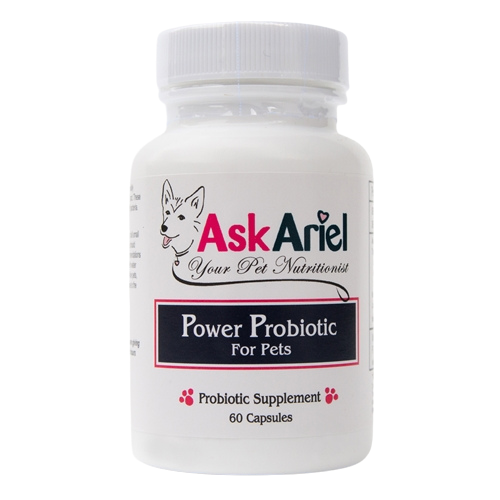
Power Probiotic - Backed by scientific research, this powerful multi-strain formula promotes the growth of friendly bacteria, which are essential to a healthy immune system. Why is this important? The majority of your pet's immune system resides in the intestinal tract. Using Power Probiotic is essential if your pet has taken steroids or antibiotics, as these medications reduce the population of friendly bacteria. Friendly bacteria fight off pathogens, bad bacteria and viruses in an effort to keep your cat healthy. Power Probiotic is essential for all pets. The powder from the capsule can be sprinkled on food or eaten by itself. Many cats love the taste. Backed by scientific research, this powerful multi-strain formula promotes the growth of friendly bacteria, which are essential to a healthy immune system. Why is this important? The majority of your pet's immune system resides in the intestinal tract. Using Power Probiotic is essential if your pet has taken steroids or antibiotics, as these medications reduce the population of friendly bacteria. Friendly bacteria fight off pathogens, bad bacteria and viruses in an effort to keep your cat healthy. Power Probiotic is essential for all pets. The powder from the capsule can be sprinkled on food or eaten by itself. Many cats love the taste.
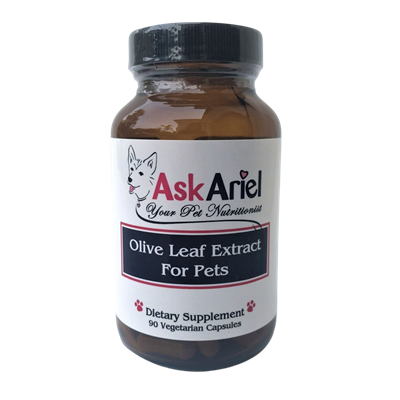
Olive Leaf Extract For Pets - Olive leaf extract is often regarded as one of the strongest natural antibiotics for cats. It contains oleuropein, a compound with powerful antibacterial, antiviral, and antifungal properties. Studies have shown that olive leaf extract has antimicrobial effects against various bacteria and fungi, effectively inhibiting the growth and spread of harmful pathogens. This makes it a popular choice for addressing conditions like asthma, chronic upper respiratory infections (URIs), allergies, and feline viruses. Olive Leaf Extract For Pets is a simple, one-ingredient formula that is helpful for a variety of immune and respiratory conditions. Made in the USA.
Immune Harmony - This cat sinus infection home treatment is a unique patented plant sterol formula that provides long-term immune support. It’s very helpful for cat sinus infections, cat rhinitis, and feline viruses. Immune Harmony helps to modulate the immune system and supports long-term immune health. While home remedies for cat upper respiratory infections can alleviate some symptoms, using Immune Harmony can provide long-term immune support and help prevent reinfection.
To strengthen your cat's immunity, feeding a grain-free, hypoallergenic, low-carbohydrate diet with a novel protein is helpful. Many quality pet foods, even "holistic brands," contain too many starchy carbohydrates that convert to sugar, weakening your cat's immune system. Changing your cat's diet can help it feel better. Grains can contribute to long-term inflammation (please see food allergy articles).
Please include your cat's diet on the order form at checkout. We will review your cat's information and include FREE diet tips on the packing slip that comes with your order.
If you have questions about home remedies for cat upper respiratory infection treatment, please feel free to email us at [email protected]. We will be happy to provide you with additional information about our natural remedies for upper respiratory infections, but please know that due to veterinary regulations, we cannot provide individualized consultative advice without a physical exam.
Susan Blake Davis, is a Pet Nutritionist and founder of Ask Ariel, providing veterinarian recommended, human-grade supplements for dogs and cats for over 20 years. Susan developed these supplements after years of working in animal rescue, helping thousands of shelter pets regain their health through holistic nutrition and care.
From 2005 to 2015, she offered holistic pet nutrition consultations at VCA Hospitals and a veterinary oncology center, working alongside Dr. David Gordon, a respected integrative veterinarian in Southern California. Over the years, veterinarians nationwide have recommended Ask Ariel supplements after seeing firsthand the proven results in their patients.
A Phi Beta Kappa graduate of UC Davis with a Master’s from UCLA and certification as a Clinical Nutritionist, Susan’s expertise has been featured in Catster, Dogster, The Los Angeles Times, and the Orange County Register.