Does your cat have swollen, puffy, soft, or bleeding paw pads? Is your cat limping? It may be a painful autoimmune disease called Feline Plasma Cell Pododermatitis (Pillow Paw). While steroids and antibiotics can provide temporary relief, the good news is that many cats respond very well to natural immune support at home.
Since 2005, Ask Ariel has been helping cats with Pillow Paw feel better naturally using a simple combination of veterinarian-recommended supplements and a hypoallergenic diet. Every order includes customized diet recommendations and easy-to-follow instructions, so you can confidently begin helping your cat right away.
"I just had to write and tell you what your Power Probiotic did for my cat, Frederick... Frederick’s paws finally healed after so many years of him suffering with pillow paw... His little paws are perfectly healthy and pain-free..."
“Pillow Foot” or “Pillow Paw” (Feline Plasma Cell Pododermatitis) is an autoimmune disease in cats that can lead to painful, swollen, cracked paw pads on one or more paws. It is an inflammatory condition often exacerbated by exposure to allergens, stress, and other environmental triggers.
Pillow paw is progressive, and early support can help prevent pain and secondary infections that are more common in advanced stages. Cats of any age, gender, or breed can develop pillow foot.
Stage 1: The paw pad may be slightly puffy and tender.
Stage 2: Pads may become purple and appear bruised.
Stage 3: Pads can become increasingly soft/mushy and your cat may begin to favor the affected paws (often multiple paws).
Stage 4: Sores may develop and in severe cases the pads can split open.
Many cats with pillow foot may also struggle with other inflammatory/autoimmune conditions (for example IBD or stomatitis), and allergies are common. Supportive care through immune-modulating supplements can help balance the immune system and reduce flare intensity.
"Our Toby is a six year old cat who started bleeding from his paws and was diagnosed with Pillow Paw. We were nervous to start the Power Probiotic as it is a little pricey with a no refund policy but we owed it to Toby to at least give it a try. We started with many speculations since Toby is such a sensitive, one of a kind cat. We read the reviews & thought they were too good to be true. Within 4 weeks, Toby’s paws had completely healed & the swelling was gone and it has stayed that way. There were also quite a few unexpected benefits. Toby has always bathed nervously to the point where he had furless patches & he has always been a small cat who weighs next to nothing. After starting him on the Power Probiotic, he has grown all his hair back, bathes more like a normal cat instead of nervously & has even gained a few pounds. He has also been an avid puker — daily — and that has stopped almost completely as well. If you’re like us and think this product is too good to be true, please give it a try. It’s worth it. We would rate this 10 stars if we could. Thank you Ask Ariel for giving our sweet Toby a better life."
Your vet may be able to suspect feline plasma cell pododermatitis based on physical symptoms. An affected paw pad may feel soft and swollen. The surface can become discolored (often purplish), develop striations, and can crack or ulcerate. Pillow foot can affect one paw or all four paws, and cats may appear lame on the affected paws.
To confirm pillow foot, your veterinarian may recommend additional diagnostics (for example, bloodwork). Supportive care is often aimed at reducing inflammation, addressing secondary infection risk, and helping stabilize immune response.
Holistic support can reduce flare frequency and help lessen reliance on medications over time. Autoimmune disease can be challenging because the immune system is over-reactive and can target healthy tissues. Conventional treatment may include antibiotics and steroids to control infection and inflammation.
Because flare-ups are often associated with triggers such as stress, environmental exposures, or food sensitivities, it’s important to support your cat’s immune system. To learn more about helping pets with autoimmune conditions, click here.
"This is Eddie showing off his lovely paw. He has been taking Power Probiotic and Immune Harmony since he had a terrible reaction to vaccinations which apparently made his immune system go haywire. He initially had a high prolonged fever and was on pain medication, fever reducer, and antibiotics. I started giving him Quent Drops & NOT Drops and within a week the fever was gone. Then he developed pillow paw and winky eye and could barely walk so we started the Power Probiotic and Immune Harmony and again within the week his eyes were clear and paws back to normal. He’s a very special boy. He was found as a kitten injured and on the center stripe of a lonely two lane blacktop. He’s been with me now for close to 10 years and thankfully back to his healthy and charming self. Thanks so much!"
You can give your kitty fast relief with Ask Ariel’s all-natural pillow foot in cats treatment protocol. Each of these home remedies for pillow foot in cats works in different ways.
Immune Support Kit – The Immune Support Kit is an effective, easy to use home remedy for pillow foot in cats. It contains three tasteless, natural remedies that are easy to administer and provide relief by modulating your cat’s natural immune response (rather than overstimulating it), which helps reduce inflammation.
These tasteless drops can be mixed into a small amount of soupy food, making them easy to administer. The items work synergistically to calm the inflammatory response and support your kitty’s immune system. The Immune Support Kit is one of our most popular pillow paw home remedies. Save money by purchasing the three products together at our reduced kit price. The items in the Immune Support Kit can also be purchased individually. Please click on the links below for more detailed information about each product.
NOT Drops – Natural homeopathic remedy that fights infection and supports your pet's immune system. Controls harmful bacteria and restores gut flora balance, improving symptoms and immune function. Helps relieve symptoms such as redness from inflammation and helps prevent infections from recurring. These drops act like "natural antibiotics" and are easy to administer. They are very important for the treatment of autoimmune disease as they gently reduce infection and inflammation. Gentle, easy to administer and safe for long-term use.
QUENT Drops – Natural homeopathic remedy that fights viruses and infection. Autoimmune disorders in cats especially often involve underlying viruses, so using the NOT Drops and QUENT Drops together is very effective in treating autoimmune disease in pets.
Silver Support – Silver Support is an all-natural, easy to use anti-microbial supplement to help your pet recover from a bacterial infection or viral flare-up. It is a broad-spectrum germ-killer that is well tolerated even by tiny pets.
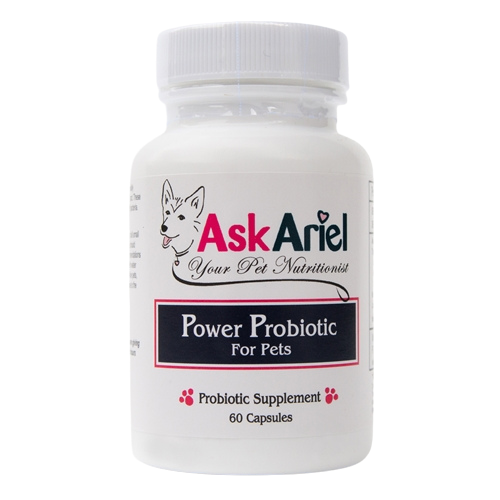
Power Probiotic – The best probiotic for pets. Backed by scientific research, this powerful multi-strain formula promotes the growth of healthy bacteria in the digestive tract, which is critical for your kitty’s immune system.
If your cat has been on antibiotics or steroids, friendly bacteria are often destroyed, further weakening your cat’s ability to handle a pillow foot infection. This is why cats may initially improve on steroids or antibiotics but later relapse. Probiotics are essential for good health because they support digestion, help fight infection and enhance overall immunity. Autoimmune conditions occur due to an overactive immune system, so using supplements that help modulate and support immune function can be especially helpful. Power Probiotic is safe, natural, made in the USA, and most cats love the taste. It can be sprinkled in food or eaten on its own.
"Marzipan was two years old when she came to us. She started showing signs of illness right away. One paw at a time would develop painful-looking swelling and blistering that would crack open and become infected. Our vet eventually diagnosed Marzipan with Pillow Paw, but encouraged us that in most cats, it only shows up a few times a year and we could treat with occasional steroids. Marz is not most cats, and her sweet little paws did respond to steroid treatment initially, but eventually she needed treatment almost once a month. At this point our vet recommended a specialist. Having recently lost two pets to long-term illness, we knew how expensive a specialist would be and that we would probably be taking her to appointments the rest of her life. My husband came across Ask Ariel and the Power Probiotic in a Google search, read the reviews, and decided to order a bottle before we resorted to calling the specialist. We were honestly not super optimistic, knowing how severe her case has been - but it was worth a try! Within a few weeks, Marzipan’s paws were clear...and then we started counting the months that we didn’t have to call the vet. It has now been almost 8 months since she’s had a flare up (unthinkable!!), and we are SO incredibly grateful for an affordable solution that keeps our Marz feeling great!!"
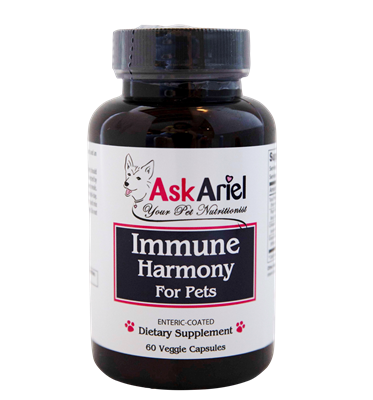
Immune Harmony – Veterinary recommended plant sterol supplement. The plant sterols and potent antioxidants found in Immune Harmony can help keep your pet’s immune system in balance and improve the inflammatory response associated with pillow paw. This product helps modulate immune function and is designed to build gradually in your cat’s system over time. Immune Harmony does not treat symptoms immediately but instead supports long-term immune balance. Many pet parents see improved results as it slowly builds and helps their cat feel better overall. Immune Harmony is helpful for cats with pillow foot and is very well tolerated. It is often used alongside other supplements that provide faster relief from autoimmune symptoms, while Immune Harmony supports long-term immune health. One bottle lasts most cats for several months. NON-GMO, no gluten, no fillers. Made in a Canadian GMP-compliant facility.
Happy Paws Hemp Extract – Organic anti-inflammatory drops for cat limping, pillow paw, and feline plasma cell pododermatitis. These drops may help decrease swelling in the paw pads and reduce pain. Anecdotal reports highlight reduced pain, inflammation, and overall discomfort. The World Health Organization (WHO) has found no adverse health effects associated with the use of hemp extract. This is a professional veterinary-strength formula. Each 1oz bottle contains 550mg of full-spectrum hemp extract in an unflavored, all-natural coconut oil base. 100% organic. Made in the USA.
"Our feral feline, Romeo, has been living in our basement since right before COVID hit. We have been unable to get him to the vet's office because of COVID, and most recently because they are only seeing patients in the parking lot! We are afraid we will lose him forever because he is so scared. That's when I found Ask Ariel! Several months ago, we noticed he developed a slight limp in his left paw. As the weeks went on, it was clear that he was getting worse and was suffering from Pillow Foot. I knew we needed to get him treatment but how? I started researching Pillow Foot and came across Ask Ariel's website. Their excellent advice regarding the "true" cause of Pillow Foot led me to try their protocol. WOW!!! After just one week, we were able to notice a marked improvement in his mobility. Now after three months, his little paw looks almost back to normal with NO limp. He also seems much happier and more content now. I can't thank Ask Ariel enough for providing safe, effective remedies to address the "root cause" of these diseases rather than just putting a bandaid on it!"
Autoimmune diseases can be managed holistically by feeding your pet a low carbohydrate, anti-inflammatory diet and using supplements that help modulate the immune system. Diet can play an important role in supporting your cat’s immune system. Even "healthy” or “organic" premium brands can be problematic if they contain ingredients that can cause inflammation, thereby flaring up the autoimmune disease. Food allergies and intolerances are the single biggest trigger for autoimmune conditions.
A cat doesn't have to be sneezing or vomiting to have a food intolerance. The food may be causing inflammation and in the early stages, you may not make any connection that the flare-ups are connected to the food. Dry kibble can be a problem because the foods are very high in carbohydrates, which turn to sugar. Cats are carnivores and feeding them a hypoallergenic novel protein diet will go a long way in helping to control pillow foot.
Ask Ariel is dedicated to helping pets with autoimmune conditions. Please be sure to include your cat’s diet on the order form at checkout. Our nutritionist will include diet tips for pillow foot in cats on the packing slip that comes with your product directions.
"Just am so happy to tell you how well Boo is doing after 3 days of treatment (Immune Support Kit). She is more energetic, comfortable, walking easily and her Pillow Paw is already healing."
Susan Blake Davis, CCN, is a Pet Nutritionist and founder of Ask Ariel, providing veterinarian recommended, human-grade supplements for dogs and cats for over 20 years. Susan developed these supplements after years of working in animal rescue, helping thousands of shelter pets regain their health through holistic nutrition and care.
From 2005 to 2015, she offered holistic pet nutrition consultations at VCA Hospitals and a veterinary oncology center, working alongside Dr. David Gordon, a respected integrative veterinarian in Southern California. Over the years, veterinarians nationwide have recommended Ask Ariel supplements after seeing firsthand the proven results in their patients.
A Phi Beta Kappa graduate of UC Davis with a Master’s from UCLA and certification as a Clinical Nutritionist, Susan’s expertise has been featured in Catster, Dogster, The Los Angeles Times, and the Orange County Register.



.png)
.png)


