Autoimmune disorders in dogs and cats are conditions in which the immune system mistakenly attacks the body's own healthy cells and tissues. Instead of fighting off harmful pathogens, the immune system becomes overactive and targets healthy cells, leading to a variety of issues. Pets can experience unusual symptoms ranging from skin problems and gastrointestinal issues to painful gums. Common autoimmune diseases in dogs include hypothyroidism, canine lupus, pemphigus and autoimmune hemolytic anemia. Common autoimmune diseases in cats include IBD, stomatitis, hyperthyroidism, eosinophilic granuloma and pillow paw. Treating autoimmune conditions in pets involves veterinary care, lifestyle adjustments, and natural supplements to ease symptoms and promote well-being.
Using natural supplements for pets with autoimmune diseases can offer various benefits that conventional treatments may not provide. Natural supplements often focus on promoting overall wellness, addressing root causes of inflammation, and supporting immune function. They can be helpful in managing symptoms and reducing the reliance on medications that might carry potential side effects. Ask Ariel's natural treatment for autoimmune disease in dogs and cats can be used along with conventional veterinary treatments such as steroids and antibiotics.
Immune Support Kit - An effective, easy-to-use home remedy for dogs and cats with autoimmune conditions. Contains three tasteless, natural remedies to deliver fast relief for your pet's autoimmune symptoms. Easy to administer. They help modulate and support your pet's natural immune response rather than overstimulating it the way many supplements can. Essential treatment for cats with autoimmune disease like pillow paw and stomatitis. The items in the Immune Support Kit can also be purchased individually.
NOT Drops - Natural homeopathic remedy for pets that fights infection and supports your pet's immune system. Controls harmful bacteria and restores gut flora balance, improving digestive symptoms and immune function. One of our best natural remedies for pemphigus in cats. Gentle, easy to administer and safe for long-term use.
QUENT Drops - Natural homeopathic remedy for pets that fights viruses and infection, especially targeting the lung and upper respiratory system. Autoimmune disorders in cats often involve underlying viruses so using the NOT and QUENT together is very effective in treating autoimmune disease in pets.
Silver Support - Silver Support is an all-natural, easy to use remedy to help your pet recover from a bacterial infection or viral flare-up. It is a broad-spectrum antimicrobial and well tolerated even by tiny pets.
Immune Harmony - #1 choice for autoimmune conditions. Veterinary recommended plant sterol supplement. The plant sterols and antioxidants found in Immune Harmony can help keep your pet's immune system in balance.
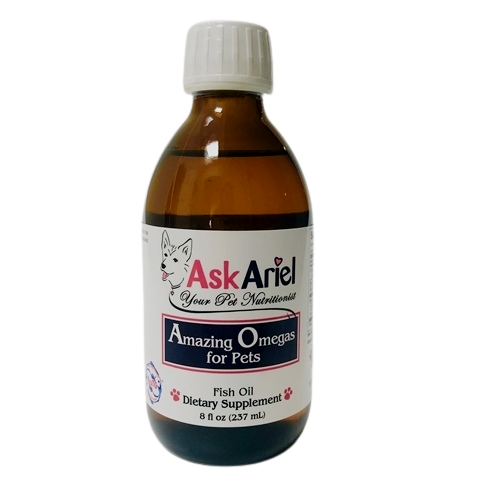
Amazing Omegas -The omega-3 fatty acids found in fish oil can help reduce inflammation in the body and support the immune system’s response. Incorporating omega-3s into a pet's diet can help manage symptoms associated with autoimmune conditions and promote overall health.
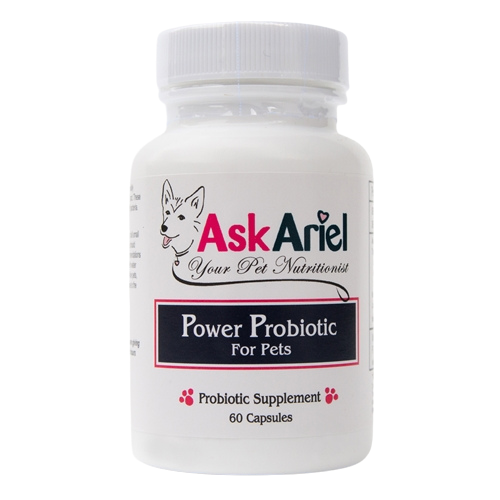
Power Probiotic - Probiotics support a healthy gut microbiome, which plays a crucial role in the immune system. They promote balance and a healthy digestive environment for nutrient absorption.
Diagnosing an autoimmune disease in pets can be challenging because the symptoms can vary widely and often overlap with other health issues. Here are some of the more common symptoms of autoimmune disease in cats and dogs:
Chronic Skin Issues: Skin problems like sores, lesions, ulcers, hair loss or rashes that don't respond well to standard treatments may be indicative of an autoimmune skin condition like pemphigus.
Joint Pain & Swelling: If your pet experiences lameness, stiffness, or swelling in the joints, it could be a sign of immune mediated polyarthritis.
Oral Ulcers or Sores: Recurring oral ulcers, mouth sores, or difficulty eating may be related to autoimmune conditions, like stomatitis, that affect the mouth.
Gastrointestinal Symptoms: Chronic diarrhea, vomiting, or weight loss may be a sign of an autoimmune disease that affects the digestive tract, like inflammatory bowel disease (IBD).
Frequent Infections: Autoimmune diseases can weaken the immune system, making pets more susceptible to infections that seem to recur or take longer to resolve.
Unexplained Anemia or Bleeding: Autoimmune conditions like autoimmune hemolytic anemia (AIHA) or immune-mediated thrombocytopenia (IMT) can lead to symptoms such as pale gums, weakness, and bruising.
Lethargy & Fatigue: Autoimmune diseases can cause general feelings of illness, leading to lethargy, weakness, and a lack of energy.
Diagnosing autoimmune diseases often involves a combination of physical examinations, blood tests, urinalysis, imaging (X-rays or ultrasound), and sometimes biopsies of affected tissues.
"This is our sweet Daisy girl! Daisy had a severe case of stomatitis that would not clear up. I found and reached out to Ask Ariel on their recommendations. Daisy took the QUENT Drops, NOT Drops and Immune Harmony. I also changed Daisy’s diet using Ask Ariel’s diet tips and info. Daisy is now like a new cat — she is not drooling, not in pain, and is able to eat her food with ease! Thank you for helping our sweet girl live a normal, happy and healthy life!"
Autoimmune disease in dogs or cats is an immune system in crisis. These conditions cause a pet's immune system to mistakenly attack healthy cells in the body. Instead of targeting external threats like bacteria and viruses, the immune system can become overactive and start attacking the body's own tissues. This can lead to inflammation, pain, and damage to various organs and systems.
Autoimmune diseases can affect different parts of your pet's body, and there are numerous types of autoimmune disorders, each with its own set of symptoms and effects. Below are some of the most common autoimmune diseases in dogs and cats.
Pemphigus is a group of autoimmune skin diseases that affect both cats and dogs. In pemphigus, the immune system mistakenly attacks the skin and mucous membranes, leading to the formation of pustules, blisters, and erosions. There are several types of pemphigus that can affect pets, each with varying degrees of severity and specific target areas. Common symptoms may include:
The most common types of pemphigus seen in both cats and dogs are pemphigus foliaceus (PF) and pemphigus vulgaris (PV). Pemphigus foliaceus primarily affects the superficial layers of the skin. It leads to the formation of pustules and crusted lesions, typically on the face, ears, footpads, and areas with little or no hair. Pemphigus vulgaris is a rarer and more severe form that affects the deeper layers of the skin and mucous membranes. It causes the development of large, painful blisters that can rupture and form erosions, most commonly seen in the mouth, groin, and feet.
While the general symptoms of pemphigus in both cats and dogs include the formation of pustules, blisters, and erosions, the specific areas affected and the severity of the lesions can differ between the two species. In dogs, pemphigus foliaceus is the most common type, often resulting in crusted lesions on the face, ears, and footpads. Pemphigus vulgaris is less common but can cause severe oral ulcers and skin lesions. Cats, however, are more commonly affected by pemphigus complex, which includes a group of autoimmune skin diseases that can manifest as ulcerative skin lesions, typically concentrated around the face, neck, and ears.
Treatment for pemphigus in dogs and cats may include corticosteroids, immunosuppressive drugs, antibiotics and topical treatments. Pemphigus in dogs natural treatment includes supplements along with diet changes to help manage inflammation and reduce flare-ups. Pemphigus in cats natural treatment would follow the same protocol.
Lupus in dogs and cats is an autoimmune disorder where the immune system attacks the body's own cells and tissues, leading to inflammation and damage. There are various forms of lupus that can affect animals, including discoid lupus erythematosus (DLE) and systemic lupus erythematosus (SLE).
Please click the link for more information about our natural treatments for lupus in dogs.
"My Bear started suffering from hair loss around his eyes, peeling and cracking of his nose and areas on his back and sides with hair loss. He loved to lay in the sun and with his light fur and red-colored nose, the scabbing would often start bleeding. We went to our regular vet several times and even went to a veterinary dermatologist. Bear was on one antibiotic after another. They would only help him short term. As soon as the antibiotics were finished, it would come back worse than before. His immune system was a wreck and he even came down with canine MRSP (Methicillin-Resistant Staphylococcus Pseudintermedius)...like MRSA in people. After almost a year, Bear was finally diagnosed with lupus and it all started to make sense.
Our approach wasn't working, so we started looking for something more natural. By incorporating probiotics, plant sterols, and a few other supplements (fish oil and curcumin), we were able to help manage Bear's symptoms and boost his immune system. We are so grateful for the positive impact the supplements had on Bear's quality of life."
Inflammatory Bowel Disease (IBD) in cats and dogs is often classified as an autoimmune disease because of the immune system's abnormal response within the gastrointestinal tract. When a pet has IBD, its immune system mistakenly targets the lining of the digestive system, triggering chronic inflammation and leading to various digestive symptoms.
Please visit our articles on Inflammatory Bowel Disease for more information about our natural treatments for IBD in pets.
"My cat Burrito, 14 years old, started vomiting hairballs occasionally. Then it got so frequent, we had to seclude Burrito to the basement every night. She had always slept between my husband and myself. Poor kitty! Well most of the time she would vomit undigested food during the day and then early in the morning, it was a white foam liquid. So we took her to the vet and they thought she could have acid reflex, so we put her on a medication twice a day. She didn't like that at all and it didn't work--she still vomited the same.
When we took her back to the vet, the vet said it could be IBD and wanted to put her on another drug to see if the inflammation that was causing the vomiting would go away. NO NO NO! I didn't want to do that. So I did some research and found Ask Ariel. I ordered the Feline IBD Kit combo of Power Probiotic, Soothing Digestive Enzymes and the NOT Drops and waited for results. Wow it really worked! After I was done with the NOT Drops, we were doing our twice daily regimen of probiotics and digestive enzymes. Still every once in a while, I would find a white foamy liquid on the floor. Ask Ariel suggested to add Gastro ULC. That did the trick. My Burrito is happy again and back to sleeping with us. Thanks, Ariel!"
Autoimmune Hemolytic Anemia and Immune-Mediated Hemolytic Anemia are terms used interchangeably to describe a condition in pets where the immune system attacks and destroys the body's red blood cells. Red blood cells carry oxygen to cells throughout the body. When the red blood cell count falls below normal range, their function is impaired. This is referred to as anemia. When your dog or cat has immune mediated hemolytic anemia, the immune system is destroying it's own red blood cells. Your pet still produces the cells, but they are attacked after they are released into circulation. There are two types of immune mediated hemolytic anemia in cats and dogs: primary and secondary.
Primary IMHA occurs when the immune system mistakenly attacks the body's red blood cells without any identifiable underlying cause. This is the most common form of IMHA in pets.
Secondary IMHA is triggered by an underlying condition such as infection, cancer, allergic reactions or drug reactions, which leads to the immune system attacking the red blood cells as a secondary response. With secondary IMHA, the cause must be addressed alongside the management of the autoimmune response.
In primary IMHA, the symptoms often arise without any apparent trigger. In secondary IMHA, the symptoms generally appear along with those of the underlying condition. Common symptoms may include:
Immune Mediated Thrombocytopenia is an autoimmune condition in which the pet's immune system attacks and destroys its own platelets, resulting in a decreased number of platelets in the blood. Platelets are crucial for coagulation and clotting. Platelets help repair obvious injuries, but they also control microscopic injuries that we may not see. Without platelets, severe bruising or bleeding can occur. Like IMHA, IMT can be primary or secondary, with the primary form having no underlying cause, while the secondary form is often associated with underlying diseases such as infections, cancer, or certain medications. Common symptoms may include:
Conventional veterinary treatment for IMT in cats and dogs often involves the use of immunosuppressive drugs such as corticosteroids to suppress the abnormal immune response and reduce platelet destruction. Some pets may need blood or platelet transfusions to manage the symptoms and prevent life-threatening bleeding.
"We wanted to let you know how well the Immune Harmony has been working for Cody, our 5 year old spaniel/border collie mix. Cody has autoimmune thrombocytopenia (his immune system attacks his platelets). He developed this in the Spring of 2008 which was about four months after we rescued him. He had to take Prednisone and Azathioprine for months to get it under control. Then we had to take him off the Azathioprine because it started affecting his liver enzymes. We slowly reduced the Prednisone to get him to the lowest dose that would keep him in remission. This kept his platelet counts between 80,000 and 120,000 which were considered adequate. The low end of the normal range for platelets is between 175,000 and 200,000 depending on the testing lab. We wanted his platelets to be as close to the normal range as possible so we didn’t have to worry about a relapse. Your site suggested Immune Harmony.
After we started giving him the Immune Harmony in Dec 2009, his platelet counts have been in the range of 160,000 to 185,000 when we have his periodic blood tests done. His most recent one which was two weeks ago was 185,000. We, as well as our vet, are thrilled with this. And, we know for a fact that it is the Immune Harmony making a difference. Because of the cost of the Immune Harmony, my husband wanted to be sure it was really working. Without my knowledge, there was a period of time before a blood test that he gave Cody the Immune Harmony only 3 times a week. When the blood test came back with results like we had been seeing before putting Cody on Immune Harmony, I just couldn’t figure out what happened and why his count had gone down. My husband told me he hadn’t been consistently giving it to Cody every day. Once he was back on the Immune Harmony daily, Cody’s counts were back up. This along with Prednisone every other day, which is a minimal amount, has kept Cody from having a relapse. The Immune Harmony may be expensive, but it is well worth every penny to see Cody doing so well. Thank you Ask Ariel for keeping Cody healthy. It is wonderful working with your amazing staff."
Stomatitis is a painful and inflammatory condition that affects the mucous membranes in the mouth, including the gums, tongue, and throat. While it is more commonly observed in cats, it can occur in dogs as well. This condition is often linked to an abnormal immune response, in which the pet's immune system overreacts to the presence of bacteria or other triggers in the mouth. As a result, the body launches an inflammatory response that damages the delicate tissues, leading to swelling, redness, and the development of sores or ulcers.
Please click the link for more information about our natural treatment for stomatitis in dogs and cats.
"We adopted Trixie from the Animal Rescue League and loved her from first sight! At her first appointment, I told our vet that I was noticing she had bad breath and was a bit lethargic. After checking her mouth, I was told she had Stomatitis. I have had cats all my life and had never heard of this. After discussing treatment options which included steroid shots to extracting all her teeth, I was overwhelmed. How could this be happening? How did this cutie pie develop an autoimmune disease that could be that life altering? I told him that I felt helpless & needed to figure out another option.
I spent hours scouring the internet and found Ask Ariel. I decided to give it a try. I felt hope! Trixie takes Power Probiotic, Immune Harmony, NOT Drops and QUENT Drops. As she started feeling better, I finally looked at her gums. The Ask Ariel treatment was working! Subsequent vet visits confirm her Stomatitis is under control. Ask Ariel has been so helpful during our journey, I am thankful we found them! I believe they truly care and want to help with information & alternative options. I hope Trixie’s story will help others in a similar situation. There is hope and a solution for a better life for your fur baby!"
Addison's disease, or hypoadrenocorticism, is an endocrine disorder in which the adrenal glands do not produce enough cortisol and, sometimes, aldosterone. The adrenal glands are located above the kidneys and produce hormones and steroids. They regulate internal organs and help your pet respond to stress. In dogs, Addison's is commonly an immune-mediated disease, where the immune system attacks the adrenal glands. In cats, the cause is less clear and may involve a range of factors, including immune-mediated destruction, infectious disease, and cancer. The sign of Addison's are generally vague but they may become life-threatening during an Addisonian crisis. Symptoms may include:
Diagnosis typically involves blood tests to assess the levels of electrolytes, cortisol, and aldosterone. Treatment usually involves hormone replacement therapy to address the deficiency.
Immune-Mediated Polyarthritis (IMPA) is an autoimmune condition that leads to joint inflammation in pets, causing pain, stiffness, and reduced mobility. This disease can affect both cats and dogs. It occurs when the immune system mistakenly attacks the tissues of the joints, triggering an inflammatory response. Common symptoms may include:
Diagnosing IMPA involves a comprehensive physical examination, which may include assessing the pet's gait, joint movement, and overall mobility. Joint fluid analysis and imaging techniques like X-rays and ultrasounds are used to evaluate the severity of joint damage and rule out other potential causes of joint inflammation.
Treatment for IMPA typically involves a combination of anti-inflammatory medications, immunosuppressive drugs, and pain management to reduce inflammation and alleviate discomfort. Using natural supplements for IMPA along with physical therapy and weight management can help alleviate symptoms and improve the pet's overall joint function.
"Gavin is a 7-year-old Scottish Terrier who has been my buddy since a puppy. A couple of months before he turned 3, he became listless, had a high temperature, drinking more water than usual and no appetite to eat. He was hospitalized for 3 days at a Specialty Veterinary Hospital where tests were done to rule out various issues. To help him recover he was on a variety of pills. The specialty doctors still could not figure out what was wrong with him for a couple of months eventually concluding that he was diagnosed as having Immune-Mediated Polyarthritis (IMPA). I wanted him off all the medication and researched for a more homeopathic way to heal. I decided on the website Ask Ariel. I have ordered various products eventually using up to 7 products on a regular basis going on 4 years. Gavin is doing very well!"
Gavin uses Immune Harmony, Power Probiotic, AllerEaze, K9 Yeast Defense, NOT Drops and Amazing Omegas.
Canine autoimmune thyroiditis is an autoimmune disorder that primarily affects the thyroid gland in dogs. In this condition, the immune system mistakenly identifies the thyroid gland as a threat and attacks it, leading to inflammation and damage. Over time, this autoimmune response can cause a decrease in thyroid hormone production, eventually resulting in hypothyroidism, which is a deficiency of thyroid hormone in the body.
While canine autoimmune thyroiditis is the underlying cause of hypothyroidism in many cases, not all dogs with autoimmune thyroiditis will necessarily develop hypothyroidism. Some dogs may exhibit signs of thyroiditis without progressing to full-blown hypothyroidism. The gradual destruction of the thyroid tissue due to autoimmune reactions leads to a decrease in thyroid hormone levels, resulting in a range of symptoms associated with hypothyroidism, such as:
Treatment typically includes synthetic thyroid hormone medication. With appropriate treatment, most dogs with hypothyroidism can live normal and healthy lives, although lifelong management is usually required. Using natural supplements along with maintaining a balanced diet, regular exercise, and a healthy lifestyle can help support dogs with hypothyroidism.
Hyperthyroidism in cats is most commonly caused by a benign tumor of the thyroid gland, leading to excessive production of thyroid hormones. This condition is not directly linked to autoimmunity. Hyperthyroidism in cats can be caused by an autoimmune condition known as thyroiditis. This condition is characterized by the destruction of the thyroid gland by the immune system, resulting in the release of excess thyroid hormones. Some common symptoms may include:
Hyperthyroidism can have serious consequences and can negatively impact the heart, kidneys (due to the blood passing through too quickly), digestive system, liver and nervous system. Feline hyperthyroidism usually appears in older cats and is more common in females.
Conventional veterinary treatments may include medications to regulate the thyroxine hormone, radioactive iodine therapy or surgery. Diet is especially important as cat owners could be unknowingly making their cat's hyperthyroidism worse by supplementing with products that are high in iodine, such as kelp in marine products. Iodine is a misunderstood element in human and pet thyroid problems and can exacerbate thyroid problems when autoimmunity is involved.
Pillow foot or pillow paw (plasma cell pododermatitis) is an autoimmune condition that primarily affects the paws of cats. The cat's body has an inflammatory response to an antibody or infection and excess plasma is produced, causing the swelling and thickening of the footpads. This can result in a soft, spongy, and "pillowy" appearance. As it progresses, sores and cracked pads can develop, making it painful for cats to walk.
Please click the link for more information about our natural treatment for pillow paw.
"Kiyoshi was rescued March 2017, during the only snowfall, from my back yard. He was limping with a bloody foot. We caught him without much effort and took him to my vet. He was 8 months to one year old, having worms, ear mites, and possibly 'pillow foot'. He had to be quarantined from my other rescued kitty, Lily, until cleared.
I then started both cats with Ask Ariel's supplements: the Power Probiotic, NOT Drops, QUENT Drops, Soothing Digestive Enzymes and later tried Amazing Omegas and AllerEaze. It wasn't very long before Kiyoshi's paws healed and swelling completely reduced. (Quickly enough for the vet to say that it possibly was allergies vs. autoimmunity.) Lily benefited from the probiotics and digestives reducing stomach sensitivity.
Kiyoshi is a sweet, gentle boy with a sensitive nature. All he wants is to be cuddled and loved. It amazes me how quickly he adjusted from the feral life to the laze about, fat boy style. You can see how safe and relaxed he is in this photo."
Despite their scary name, feline rodent ulcers have nothing to do with rodents. Also known as eosinophilic granuloma or indolent ulcers, this is a non-contagious condition, unique to cats, where oral mucosal lesions (open sores similar to cold sores) appear on the upper lip. Eosinophilic granulomas are characterized by the presence of eosinophils, a type of white blood cell that plays a role in the body's immune response.
Feline Rodent Ulcers are not explicitly categorized as autoimmune diseases. However, they often have immune-mediated components. The condition involves an abnormal response of the immune system to various triggers (environmental, allergic or immune), which leads to the formation of ulcers, blisters or lesions typically found on a cat's lips, tongue, or the roof of the mouth. The ulcers can be very painful and hinder a cat's ability to eat. Common symptoms may include:
In some cases, the symptoms may include sneezing, nasal discharge, or respiratory issues if the lesions extend to the upper respiratory tract. Natural supplements may help reduce inflammation, promote tissue repair, and support the immune system. Omega-3 fatty acids and quercetin may help reduce redness and swelling.
Poor digestion is an important factor with autoimmune disease. Inflammation in the digestive tract taxes your pet's immune system. The majority of your pet's immune system resides in the digestive tract, so when a pet poorly digests food or eats food that creates inflammation, this triggers an autoimmune attack. If your dog or cat has an autoimmune disease, dietary changes are essential, as certain food allergens can worsen inflammation. When ordering supplements, please be sure to include the food you are feeding your pet along with health issues directly on the order form at checkout. We will include FREE diet suggestions on the packing slip that comes with your order.
Susan Blake Davis, CCN, is a Pet Nutritionist and founder of Ask Ariel, providing veterinarian recommended, human-grade supplements for dogs and cats for over 20 years. Susan developed these supplements after years of working in animal rescue, helping thousands of shelter pets regain their health through holistic nutrition and care.
From 2005 to 2015, she offered holistic pet nutrition consultations at VCA Hospitals and a veterinary oncology center, working alongside Dr. David Gordon, a respected integrative veterinarian in Southern California. Over the years, veterinarians nationwide have recommended Ask Ariel supplements after seeing firsthand the proven results in their patients.
A Phi Beta Kappa graduate of UC Davis with a Master’s from UCLA and certification as a Clinical Nutritionist, Susan’s expertise has been featured in Catster, Dogster, The Los Angeles Times, and the Orange County Register.

.png)